Loading this page…

Loading this page…
Sailing club
Kingston Beach Sailing Club is a friendly family club at the southern end of Kingston Beach, where the River Derwent meets the open water south of Hobart. Founded by local sailing families in 1954, it runs a sailing school for juniors and adults, Tackers courses, powerboat courses, and a season of social and competitive racing from October to April.
About
Kingston Beach Sailing Club is a friendly family club at the southern end of Kingston Beach, where the River Derwent meets the open water south of Hobart. Founded by local sailing families in 1954, it runs a sailing school for juniors and adults, Tackers courses, powerboat courses, and a season of social and competitive racing from October to April.
Service area: Kingston Beach, TAS
Keep exploring
Kingston Beach Sailing Club (KBSC) is based at 44 Osborne Esplanade, at the southern end of Kingston Beach, about 20 minutes south of Hobart. It was set up in 1954 by local sailing families who wanted a safe, friendly place for everyone to sail, and that is still the feel of the club today.
The club runs a sailing school for beginners, intermediate sailors and adults — including Tackers courses for kids and Adult Start Sailing in club Pacer dinghies — as well as powerboat courses, coaching and a racing season from October to April with both social and competitive races. There is boat storage for members, a clubhouse with a canteen, and the clubrooms are available for venue hire. You can see other clubs in the area on our Kingston Beach sailing clubs page.
KBSC's sailing school is open to the public and caters for beginners, intermediate sailors and adults. Kids start in the Tackers courses, Australian Sailing's learn-to-sail program for young sailors, while adults can join Adult Start Sailing 1, taught by instructors in the club's own Pacer dinghies — so you do not need your own boat to begin. Courses run through the season, with an Adult Start Sailing course scheduled across October 2026.
Once you have the basics, there is coaching to build your skills and a racing program with both social and competitive races. The club also runs powerboat courses, which are useful for anyone who wants to help out in the rescue and support boats. Volunteering is a big part of club life, with roles in the rescue boats, on shore, in the start box and in the canteen — a great way for parents to get involved while their kids are on the water.
The club sits at 44 Osborne Esplanade, at the southern end of Kingston Beach, near where the River Derwent meets the more open water leading to Storm Bay. It is about 20 minutes' drive south of Hobart, which makes it an easy weekend option for families in the Kingborough area.
The waters off Kingston Beach give the club a mix of conditions: sheltered water close to the beach for learners and bigger breezes further out for racing. Further south, the D'Entrecasteaux Channel and Bruny Island are within reach for those who later move into keelboats and cruising. On shore there is a clubhouse with a canteen, boat storage for members, and function space for hire.
See our Kingston Beach sailing clubs page for more clubs in the area.
Kingston Beach Sailing Club was founded in 1954 by local sailing families who wanted a safe, friendly environment where everyone could enjoy sailing. More than seventy years later, that family focus is still at the heart of the club: a volunteer-run program where parents help in the rescue boats and canteen while their children learn on the water, and where many sailors have gone from their first Tackers lesson to racing on the Derwent.

Late spring to summer is usually the best time for beginners to start learning to sail in Tasmania because the weather is generally warmer, days are longer and conditions are often more settled. Expect lighter to moderate winds with regular afternoon sea breees in summer, while spring and autumn bring more changeable and sometimes stronger conditions; winter is colder, wetter and typically windier with more fronts and swell.
Explore →
Treat Tasmanian waters as cold year-round: prevent immersion where possible, wear appropriate layers and a lifejacket, carry reliable distress equipment, and have clear procedures to recover and rewarm anyone who gets wet.
Explore →
Tasmania has a mix of state marine parks, local harbour bylaws and environmental protections that affect where and how you anchor—so check the specific area’s rules before you go, aim to use designated anchorages or soft seabeds, and follow standard anchoring and biosecurity good practice.
Explore →
Regular cleaning, targeted protection (grease, corrosion inhibitors, sacrificial anodes and insulating dissimilar metals), and a disciplined inspection and maintenance routine will keep rigging and fittings lasting longer in Tasmania’s cool, salty marine climate.
Explore →A concise, practical introduction to the essential parts of a recreational sailing boat for beginners in Australia. Covers hull, deck, rigging, sails, steering, below-decks spaces and safety equipment, with simple explanations, common mistakes and a pre-sail checklist to help new sailors communicate and get underway.
Explore →
A concise, practical guide to the points of sail and how to trim sails effectively for common Australian conditions. Learn the basics of wind angles, sail shape, telltales, reefing considerations and simple steps to improve boat speed and balance.
Explore →
A practical guide for recreational sailors planning day sails or short coastal cruises in the southern section of the Great Barrier Reef. Covers prevailing conditions, route planning, anchorages, navigation, reef etiquette and safety considerations specific to this region.
Explore →
A practical guide for new sailors on picking the right Australian sailing club: training, boat access, racing, social fit, costs and the key questions to ask before joining.
Explore →
Push-to-talk radio that uses 4G mobile networks where there is coverage and a built-in 16-channel analog radio where there is none, with GPS and SOS. Sold as a two-pack.
Explore →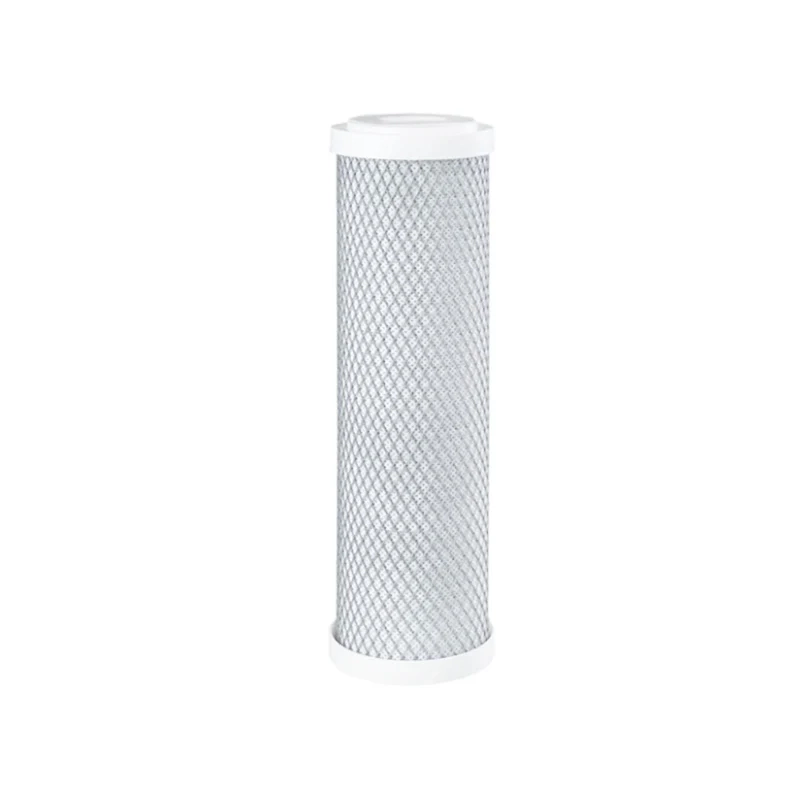
Standard 10 x 2.5 inch activated coconut carbon block cartridge, 5 micron nominal. It sits in the freshwater flush line and helps remove chlorine before the flush water reaches the membrane.
Explore →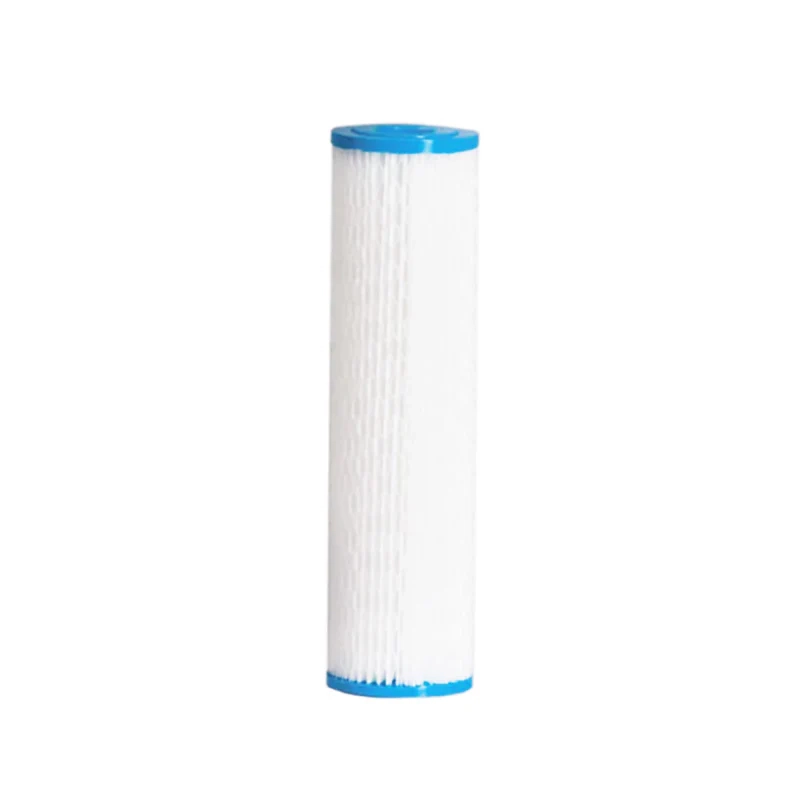
Standard 10 x 2.5 inch pleated poly cartridge rated at 5 micron. It is the second-stage pre-filter that removes fine sediment before the high-pressure pump, and it can be rinsed and reused.
Explore →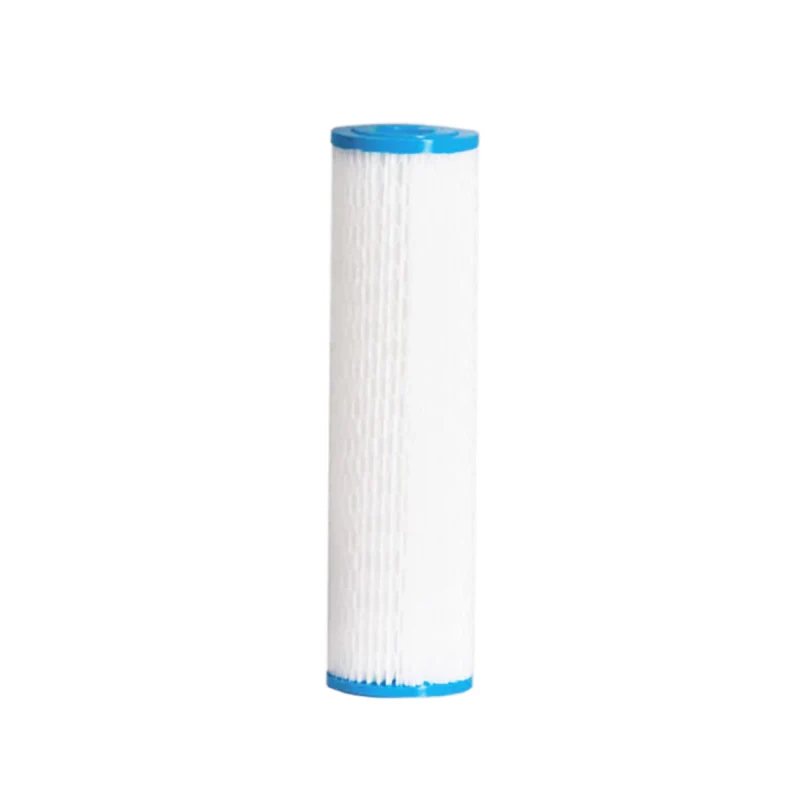
Standard 10 x 2.5 inch pleated poly cartridge rated at 20 micron. It is the first-stage pre-filter that removes larger sediment before the high-pressure pump, and it can be rinsed and reused.
Explore →