Loading this page…

Loading this page…
Sailing club
Lakeside Sailing Club - Pakenham is a local, community-focused sailing club offering low-barrier, accessible dinghy sailing and kayaking on Lakeside (Pakenham). The club runs regular sailing days (weather permitting, typically Sundays Oct–Apr 9:30am–3pm), social events and participates in other clubs’ series/regattas. Entry options include a Free Discover Sailing Day, SailPass (single day), annual membership and a youth program (Y-kNOT? 3-day). The club provides boats, safety equipment and accessible facilities (including access boats and a hoist) and lists a sailing location at 48 Cormorant Parade, Pakenham VIC.
About
Lakeside Sailing Club - Pakenham is a local, community-focused sailing club offering low-barrier, accessible dinghy sailing and kayaking on Lakeside (Pakenham). The club runs regular sailing days (weather permitting, typically Sundays Oct–Apr 9:30am–3pm), social events and participates in other clubs’ series/regattas. Entry options include a Free Discover Sailing Day, SailPass (single day), annual membership and a youth program (Y-kNOT? 3-day). The club provides boats, safety equipment and accessible facilities (including access boats and a hoist) and lists a sailing location at 48 Cormorant Parade, Pakenham VIC.
Service area: Pakenham, VIC
Keep exploring
A sailing club where the entire fleet was given away. That, in one line, is the story of Lakeside Sailing Club in Pakenham — a community dinghy and kayaking club whose boats arrived almost entirely through donations, grants and the generosity of local families, and whose members sail them for free. The club's stated mission is to offer a low-barrier, all-inclusive setting where anyone can learn dinghy sailing, whatever their means, ability, gender or age, and the donated fleet is that mission made physical.
The club sails on the lake at the Lakeside Estate in Pakenham, in the Shire of Cardinia, roughly 56 kilometres south-east of central Melbourne, where suburbia gives way to West Gippsland. It is one of the youngest sailing clubs in Victoria, launched in 2011, and it operates as an incorporated association affiliated with Australian Sailing. Cardinia Shire's community directory describes it simply as open to all wanting to learn to sail, meeting at the Cormorant Parade boat ramp at the lake's north end.
The club's character is best caught in its own framing: great camaraderie, though the competitive instinct is never far below the surface. Youngsters pick up their skills from seasoned sailors, the social membership keeps an onshore welcome going with refreshments, and the committee even styles itself nautically — Admiral, Captain, Commodore, Rear Commodore and the rest. Female participation is actively encouraged, tandem kayaking has lately joined the offering, and the club regularly takes its sailors to other clubs' events at Rhyll, Lysterfield and Westernport. Small, young and deliberately cheap to join, Lakeside exists to prove that sailing does not need deep pockets.
What it costs to learn at Lakeside is the first thing worth knowing. Membership fees are kept deliberately low, mainly covering insurance, and members then use the club's boats, kayaks and life jackets free of charge. There is no boat to buy, no second-hand market to navigate, no thousand-dollar entry ticket — you join, you turn up on a Sunday, and a boat is there. For families in one of Melbourne's fastest-growing corridors, that removes the hurdle that stops most people ever trying the sport.
The sailing week is built around Sundays from October to April, 9:30am to 3:00pm on the lake, weather permitting, with social occasions and visits to other clubs' series and regattas filling the rest of the year. The calendar opens each season with a free Discover Sailing Day at the end of January, supported by single-day SailPass options for those testing the water, and a dedicated Cardinia Youth Sailing Day. The club also runs Y-kNOT? sailing, a three-day youth program of its own design — in place of branded national junior courses, Lakeside has built its own formats and kept them local.
The teaching fleet is the donated fleet: four Corsair dinghies rigged with spinnakers, two Sabots, a restored Mirror named Gumnut, a Cherry 16 called Névoa and a Sabre, backed by a Zodiac rescue boat and two tandem kayaks for those who prefer paddles to sails. Corsairs are stable, forgiving family dinghies with enough sail area to keep things interesting — a sensible classroom for first-timers and a fun handicap racer for those who catch the competitive bug, which the club cheerfully admits is never far away.
Lakeside's home water is a landmark man-made lake at the heart of the Lakeside Estate housing development in Pakenham, within the Lakeside Recreation Reserve. The club's listed activity point is the boat ramp at the north end of the lake on Cormorant Parade, and operations are ramp-and-reserve based rather than centred on a permanent clubhouse — a reflection of the club's youth and its low-overhead philosophy. What the lake offers is exactly what a teaching club needs: an enclosed, manageable sheet of freshwater with no tides, no currents and no commercial traffic, where a capsized Sabot is a lesson rather than an emergency and every session can be watched from the shore.
Pakenham itself is one of the fastest-growing communities on Melbourne's south-eastern fringe, and the lake sits within that expanding population — meaning the club's catchment is young families moving into new estates, precisely the audience its low-cost, no-boat-required model is built for. Small enclosed urban lakes have their own sailing character: breezes arrive softened and shifted by the surrounding rooftops and trees, so sailors learn to watch the water for puffs and to keep their heads out of the boat. Those are foundational skills that transfer well when members venture further afield.
And they do venture. The club regularly takes crews to other clubs' events at Rhyll on Phillip Island, at Lysterfield Lake and on Westernport, giving members experience of bigger, tidal, more demanding waters under the umbrella of a familiar group. That pattern — learn in the safety of the estate lake, test yourself on open water with friends — gives Lakeside a wider horizon than its home pond might suggest, and keeps the sailing year varied well beyond the October-to-April Sunday season.
Lakeside Sailing Club is a child of Melbourne's growth frontier. The club launched in January 2011 and commenced sailing on the Lakeside Estate lake that September — making it one of the newest clubs in the Victorian sailing landscape, founded not by old sailing families but by locals determined to make the sport accessible in a new suburb. The names of those founders are not publicly recorded, but the shape of their idea survives intact in the club's mission: sailing for everyone, regardless of means, ability, gender or age.
The fleet's assembly reads like a community honour roll. Corsair dinghies were donated by Liz and Norm Mills of Boss Marine Fenders, by Jeff Mackevicius and by Sam Gordon of Robert Gordon Pottery; another Corsair, number 173, Wacko, was funded through a community grant from Cardinia Shire Council. Sabots arrived from the Baker and Mitchell families, the Zodiac rescue boat from Jeremy Wiggs, and two Seaflo tandem kayaks through a Vic Active Clubs Grant.
A Victorian Government grant reported in 2013, in the up-to-$1,000 category, kitted the young club out with uniforms. Piece by piece, a working fleet was assembled without the club ever needing to buy its way in — and the club still actively invites donations of unused dinghies and kayaks from the public.
Governance has matured along the way. From the 2022-23 season the club began publishing its AGM and committee meeting reports, a transparency step few small clubs bother with, and its committee structure carries nautical titles — Admiral, Captain, Commodore and Secretary, Vice Commodore, Rear Commodore, Treasurer and Safety Officer. In little more than a decade, Lakeside has gone from a January idea to an affiliated club with its own youth programs, an annual Discover Sailing Day and a record of taking its sailors onto the bigger waters of Westernport and beyond.
A practical, harbour-focused cruising guide to Trial Bay on the New South Wales Mid North Coast. The guide describes the bay’s sheltered and exposed zones, headlands and islands, local seasonal wind and swell patterns, principal sailing areas and recommended anchorages, shore facilities around South West Rocks and Arakoon, navigation and arrival considerations, specific hazards such as the Macleay River entrance, sand movement and reefs, local marine park and heritage restrictions, and three realistic sailing experiences ranging from sheltered family daysails to multi-day island circuits. It’s

Expect very different seasonal systems across Western Australia: the south‑west (Perth to Albany) has a strong summer afternoon sea breeze (the “Fremantle Doctor”) and winter westerly fronts, while northern WA follows a wet/dry monsoonal cycle with strong seasonal onshore winds, thunderstorms and cyclone risk in the wet season. Local headlands, estuaries and tidal flows often change what you actually feel on the water, so learn the local timing and sheltered venues first.
Explore →
Pick a protected bay, estuary or river reach where you can rig, launch and arrive on calm water within a short, sheltered transit; choose a site with a good ramp or jetty, clear recovery options and a nearby sailing club, marina or commercial operator for local knowledge and help.
Explore →
Write a one‑page plan with the who/what/when/where/how of your trip, keep a copy on board and leave the main copy with a responsible person ashore (and optionally with your club, marina office or local volunteer rescue service).
Explore →
Use ramps and beaches with respect for local conditions: check ramp layout, tide and swell, wind direction, vehicle access and crowding; prepare boat and crew before you launch or retrieve; and follow local signage, courtesy and safety practices. Specifics vary by ramp and beach, so confirm details for the exact site before you go.
Explore →A practical guide for recreational sailors planning visits to Albany and King George Sound. Covers the main anchorage areas, typical local weather patterns, tidal and current considerations, navigational hazards, on-the-water etiquette and a pre-departure checklist to help you plan a safe passage and enjoyable stopover
Explore →
A practical, Australia-focused guide for planning and sailing around the Whitsunday Islands: weather and seasons, navigation and anchoring, moorings and parks, provisioning and charters, safety and common mistakes, plus checklists and next steps.
Explore →A practical guide to the coastal weather systems that affect sailing along Western Australia's coast, focusing on the Fremantle Doctor, local sea breezes, and linked coastal phenomena. Explains how these systems form, when they tend to occur, how they influence boat handling and passage planning, common mistakes, and a
Explore →A practical guide for recreational sailors planning passages to, from or around Eden and Twofold Bay. Covers sheltered anchorages, shore facilities, local weather and tidal considerations, preparing for Bass Strait conditions and a focused equipment and safety checklist.
Explore →Burke Yachtsman Gear Bag 40L - Shop Now Zip Pay | Tamar Marine Skip to content 59 – 63 Holbrook Street, Invermay Online Shop Open 24/7 Products search Contact us 1300 MARINE $ 0.00 0 Cart Burke Yachtsman Gear Bag 40L $ 79.90 Colour Choose an option Black Blue Black Blue Clear - Burke Yachtsman Gear Bag 40L quantity + Add to cart Enquire about this product SKU BAGB-Y24/BLACK* Category Bags - Sail & Gear A Burke classic and customer favourite, the Yachtsman’s Gear Bag is built tough to handle wet, salty conditions while keeping your gear dry and protected. Made from double coated waterproof…
Explore →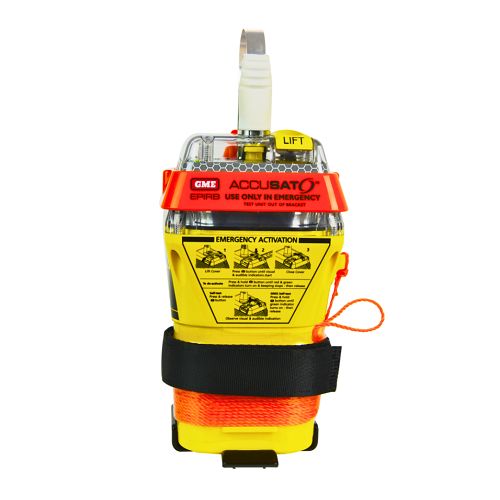
A 10‑year battery EPIRB with integrated GNSS (supports GPS and Galileo), infrared strobe and 121.5 MHz homing signal. Approved for worldwide COSPAS‑SARSAT operation.
Explore →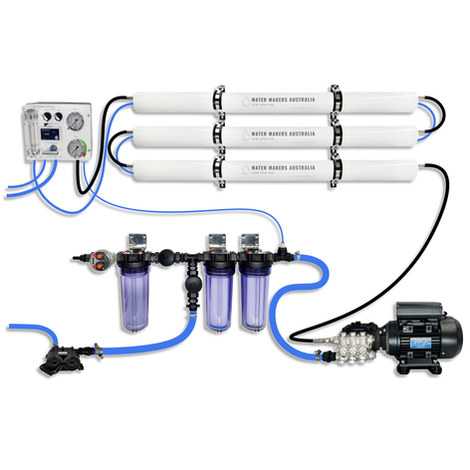
A three-membrane modular watermaker with 200 L/h nominal output and up to 240 L/h family-level marketing, for larger crews and heavy use.
Explore →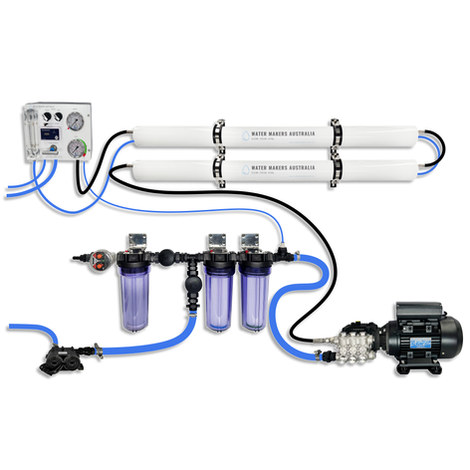
A two-membrane modular watermaker with 140 L/h nominal output, aimed at families and liveaboards that want more water per run.
Explore →