Loading this page…

Loading this page…
Sailing club
Largs Bay Sailing Club has been launching dinghies off the beach at Largs Bay since 1926. It races all dinghy, catamaran and trailable classes on Gulf St Vincent — Saturdays in summer, Friday twilights and the Polar Bear Winter Series — and runs Little Tackers, SheSails and free introductory sessions, plus boat storage, squash courts and function hire.
About
Largs Bay Sailing Club has been launching dinghies off the beach at Largs Bay since 1926. It races all dinghy, catamaran and trailable classes on Gulf St Vincent — Saturdays in summer, Friday twilights and the Polar Bear Winter Series — and runs Little Tackers, SheSails and free introductory sessions, plus boat storage, squash courts and function hire.
Service area: Largs Bay, South Australia
Keep exploring
Largs Bay Sailing Club (LBSC) is on The Foreshore at Largs Bay, off Lady Gowrie Drive, looking straight out over Gulf St Vincent. It welcomes all dinghy, catamaran and trailable yacht classes, with fleets that include Optimists, Pacers, Hartley TS16s, Cherubs and International 14s.
Racing runs on summer Saturdays for all ages and abilities, with Friday evening racing (4:45pm to 7:15pm) from late October to March and the Polar Bear Winter Series for those who keep sailing through the cooler months. Learn-to-sail options include free introductory sessions, Largs Bay Little Tackers in Optimists and the SheSails program for women. The club has boat storage, a fleet of safety boats, squash courts, yoga and fitness classes, and function hire. See our Largs Bay sailing clubs page for more.
Getting started at Largs Bay is easy — the club offers free introductory sessions for anyone curious about sailing. Children learn in Optimist dinghies through Largs Bay Little Tackers, a fun, safe introduction based on Australian Sailing's Tackers program, while the Sail Our Way – SheSails program is designed to help women build skills and confidence on the water.
Once you are ready to race, summer Saturday racing welcomes all ages and abilities, Friday twilight racing runs from late October to March, and the Polar Bear Winter Series keeps the keen ones sailing through winter. The club's youth development fund supports coaching for junior and youth sailors, and a fleet of safety boats supports every race and training session.
The club sits on The Foreshore at Largs Bay, north-west of Adelaide, facing the open water of Gulf St Vincent. Boats launch straight off the beach, and the gulf's afternoon sea breezes give dinghies and catamarans plenty of good racing.
On shore, there is boat storage for members, squash courts, yoga and fitness classes, and a clubhouse available for function hire. Nearby clubs include Port Adelaide Sailing Club and Port River Sailing Club on the Port River. For more about sailing around the city, see our Adelaide destination guide.
The beach faces west, so sea breezes blow straight onshore, which makes launching and landing through small waves part of the skill set for dinghy sailors. See our FAQ on launching from Adelaide beaches.
The club began in 1926 as the Largs Bay Dinghy Club and became Largs Bay Sailing Club in 1948; it started its 90th year in 2016. Its archives include members' recollections from the late 1920s through the Second World War and into the 1980s, and a 1953 newspaper report of club members helping to rescue a fisherman and two boys from drowning.
For thirty years the club's start boat was Largs 2, the George Lisk II, which served from 1990 until it was destroyed by fire in 2020. Today the club continues to host national championships and honours its champions and volunteers on its honour boards.
Gulf St Vincent is the sheltered gulf between Yorke Peninsula and the Adelaide coast in South Australia. It is home water for Adelaide’s sailors, opening south to Investigator Strait and Kangaroo Island.

Expect light to moderate, thermally-driven sea breezes in summer with afternoon strengthening; more changeable and often stronger winds with frontal systems in autumn and spring; and the windiest, roughest conditions in winter when cold fronts and sou’westers are most frequent. Gulf St Vincent is more sheltered than the exposed coast but can still produce steep chop and sudden changes near Adelaide and headlands.
Explore →
Use ramps and beaches with respect for local conditions: check ramp layout, tide and swell, wind direction, vehicle access and crowding; prepare boat and crew before you launch or retrieve; and follow local signage, courtesy and safety practices. Specifics vary by ramp and beach, so confirm details for the exact site before you go.
Explore →
Before your first sail in South Australian waters check the weather and tide, make sure the boat and safety equipment are fit for the trip, confirm local rules and any area-specific hazards, and tell someone your plan.
Explore →
Do a seasonal inspection and servicing routine that focuses on hull and antifouling, through-hulls and seacocks, rigging and sails, engine and fuel systems, electricals and batteries, safety gear and bilge systems. Tailor exact tasks to your boat type, age and where you sail in South Australia, and follow manufacturer and marine service advice for anything technical.
Explore →Practical guide for recreational sailors planning day sails and short cruises in Geographe Bay, focusing on launching, local conditions, anchorages and safety around Busselton, Dunsborough and Cape Naturaliste.
Explore →A practical guide for recreational sailors planning day sails or short cruises around Batemans Bay, Broulee and the Clyde River. Covers local conditions, safe approaches, anchorages, launching, tides, common hazards, and checklists for trip planning and on-water decisions.
Explore →
A practical guide for new sailors on picking the right Australian sailing club: training, boat access, racing, social fit, costs and the key questions to ask before joining.
Explore →
A practical, Australia-focused guide for planning and sailing around the Whitsunday Islands: weather and seasons, navigation and anchoring, moorings and parks, provisioning and charters, safety and common mistakes, plus checklists and next steps.
Explore →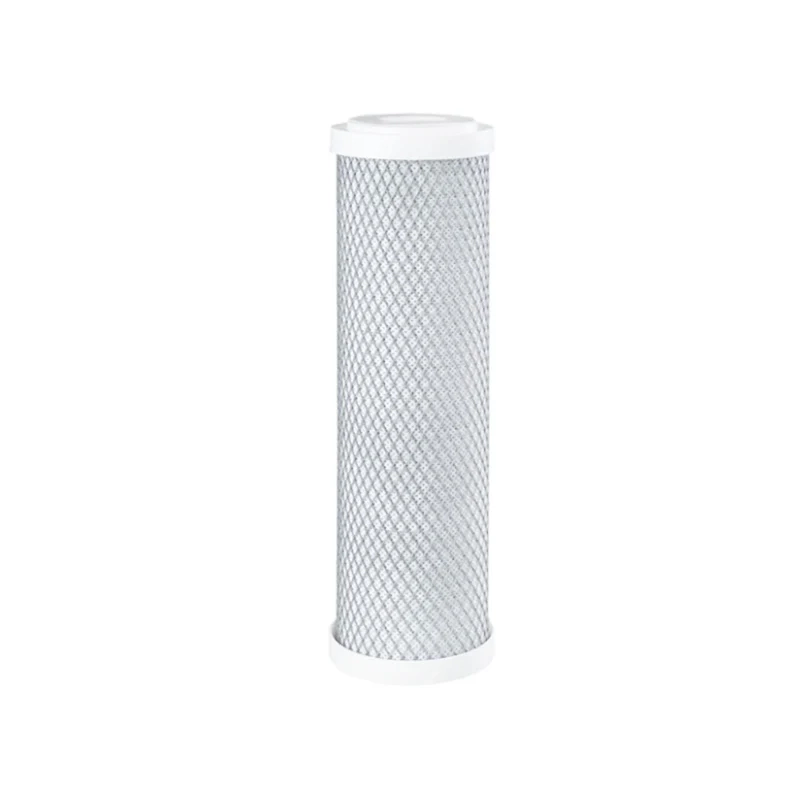
Standard 10 x 2.5 inch activated coconut carbon block cartridge, 5 micron nominal. It sits in the freshwater flush line and helps remove chlorine before the flush water reaches the membrane.
Explore →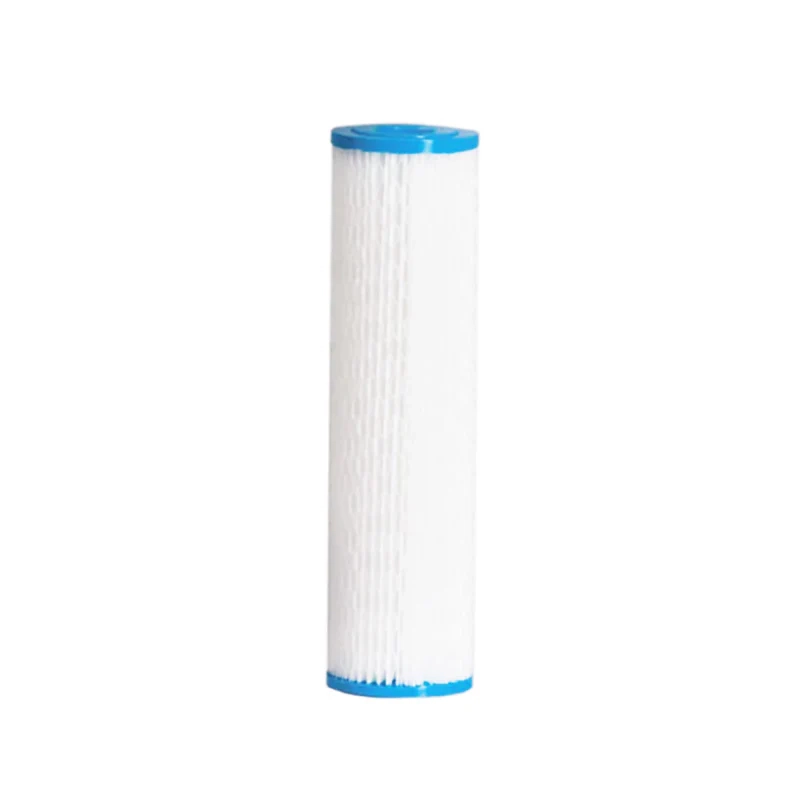
Standard 10 x 2.5 inch pleated poly cartridge rated at 5 micron. It is the second-stage pre-filter that removes fine sediment before the high-pressure pump, and it can be rinsed and reused.
Explore →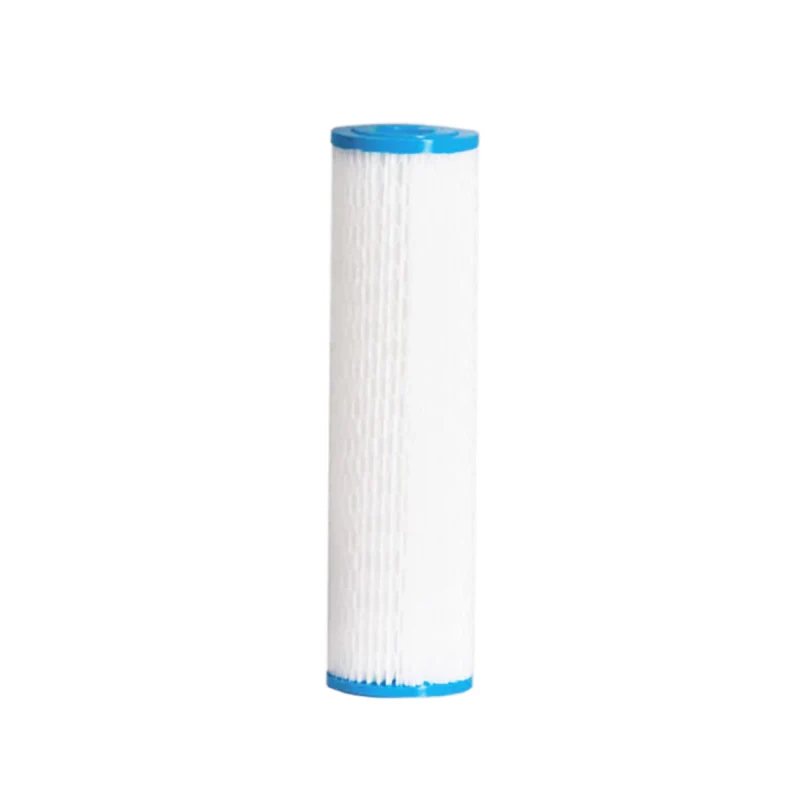
Standard 10 x 2.5 inch pleated poly cartridge rated at 20 micron. It is the first-stage pre-filter that removes larger sediment before the high-pressure pump, and it can be rinsed and reused.
Explore →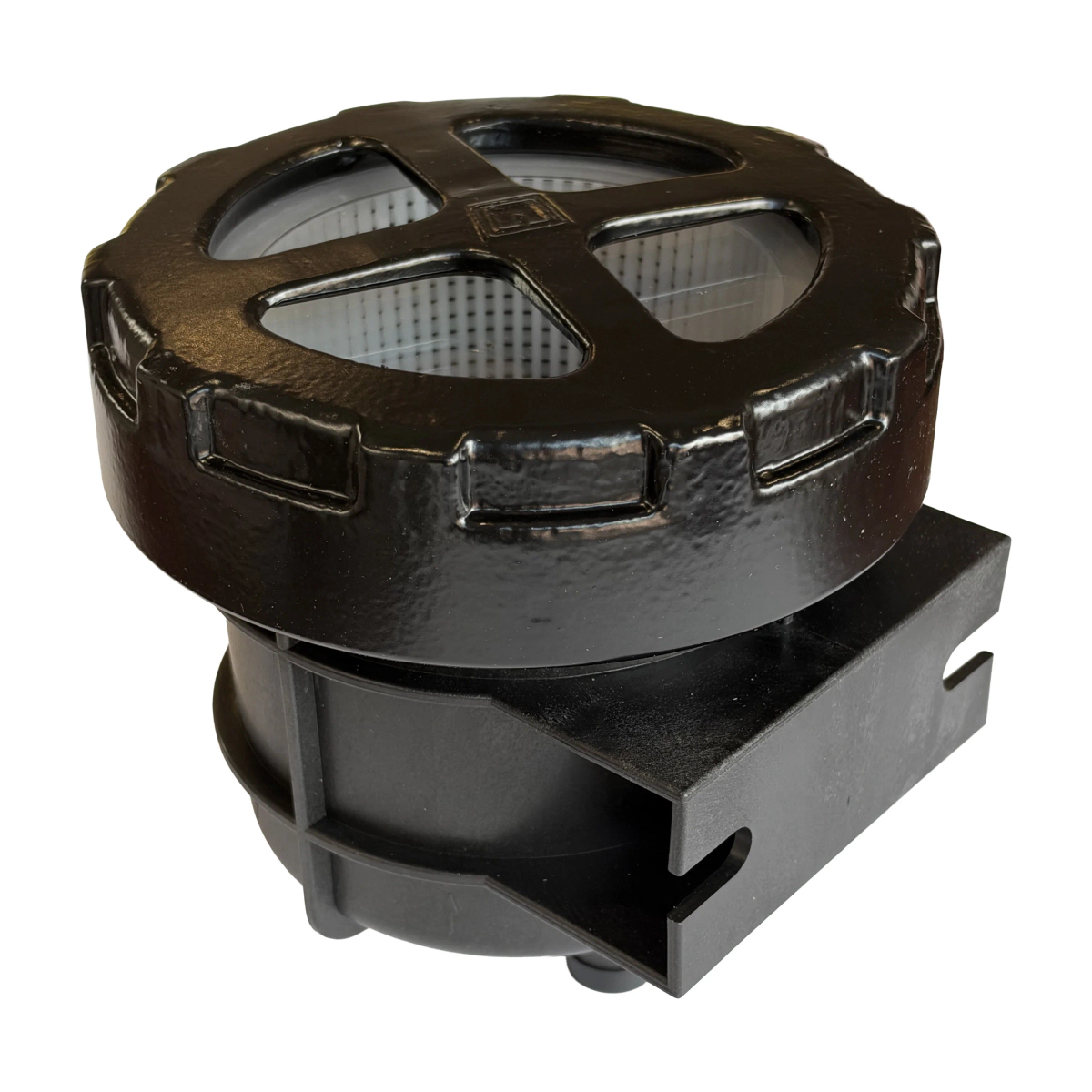
Seawater intake strainer with a clear inspection window, sold in 19 mm and 25 mm hose sizes. It catches weed and larger debris before the water reaches a watermaker feed pump.
Explore →