Loading this page…

Loading this page…
Sailing club
Macquarie Harbour Sailing Club is a community sailing club on Beach Street, Strahan, on Tasmania's rugged west coast. It offers sail training and relaxed social sailing on Macquarie Harbour, and its waterfront has hosted regattas such as the Cock'O the West Regatta.
About
Macquarie Harbour Sailing Club is a community sailing club on Beach Street, Strahan, on Tasmania's rugged west coast. It offers sail training and relaxed social sailing on Macquarie Harbour, and its waterfront has hosted regattas such as the Cock'O the West Regatta.
Service area: Strahan, TAS
Keep exploring
Macquarie Harbour Sailing Club is based on Beach Street, Strahan, on the shores of Macquarie Harbour on Tasmania's wild west coast. It's a community group that provides sail training and relaxed social sailing on the harbour.
The setting is extraordinary. Macquarie Harbour is Australia's second-largest natural harbour after Port Phillip, about six times the size of Sydney Harbour, and its only link to the ocean is the narrow, notorious entrance at Hells Gates. Inside, it's surrounded by rainforest, and its tannin-dark water leads to the Gordon River and the Franklin–Gordon Wild Rivers National Park.
The club's waterfront has hosted visiting regattas, including the Cock'O the West Regatta in 2022, a handicap event run with Leven Yacht Club that welcomed Formula 18s and other classes. For a small club in a remote town, it's a friendly way for locals and visitors to enjoy one of the most spectacular sailing venues in the country.
The best way to find out about upcoming sailing is the club's Facebook page. See our Strahan sailing clubs page and Strahan page for more.
The club provides sail training and relaxed social sailing for the Strahan community. It's a small, volunteer-run club, so the best way to find out about upcoming sessions is through its Facebook page. If you're new to sailing, our beginner's guide to sailing in Australia covers the basics before your first outing.
Sheltered harbour water is a great place to learn, but the west coast weather can change quickly, so go with experienced members and carry proper safety gear. Our FAQ on when to carry an EPIRB or PLB in Tasmania is a useful read for anyone venturing further up the harbour.
The club is on Beach Street in Strahan, on the northern shore of Macquarie Harbour. The harbour is enormous and largely sheltered from the Southern Ocean, with its only outlet through the narrow, tricky entrance at Hells Gates. Inside, there's room for everything from dinghy racing to longer cruises toward the Gordon River.
Visiting regattas have made use of the Strahan waterfront, such as the 2022 Cock'O the West Regatta, a handicap event with a challenging course and big starts.
The harbour's scale means conditions vary a lot: sheltered coves near town can be calm while the open reaches pick up a real sea in a westerly. The west coast is one of the wettest and windiest parts of Australia, with the Roaring Forties blowing straight onto the coast, so check the forecast carefully. Cruising boats visiting from outside must time the Hells Gates entrance carefully. See our Macquarie Harbour page.
Macquarie Harbour Sailing Club has been a base for sail training and social sailing in Strahan, and it has welcomed sailors from around the state for regattas such as the 2022 Cock'O the West Regatta, organised with Leven Yacht Club.
Regattas have a long history in Strahan. The town was once known as Long Bay or Regatta Point, and its New Year's Day regatta was a great social event in the shipping era, with the piners' punt races drawing the most interest. The town was renamed in 1881 after Governor Sir George Strahan and officially proclaimed in 1892, growing as the port for the west coast mining towns. The sailing club carries that waterfront tradition into the present.

Tasmania has a mix of state marine parks, local harbour bylaws and environmental protections that affect where and how you anchor—so check the specific area’s rules before you go, aim to use designated anchorages or soft seabeds, and follow standard anchoring and biosecurity good practice.
Explore →
Late spring to summer is usually the best time for beginners to start learning to sail in Tasmania because the weather is generally warmer, days are longer and conditions are often more settled. Expect lighter to moderate winds with regular afternoon sea breees in summer, while spring and autumn bring more changeable and sometimes stronger conditions; winter is colder, wetter and typically windier with more fronts and swell.
Explore →
Treat Tasmanian waters as cold year-round: prevent immersion where possible, wear appropriate layers and a lifejacket, carry reliable distress equipment, and have clear procedures to recover and rewarm anyone who gets wet.
Explore →
Regular cleaning, targeted protection (grease, corrosion inhibitors, sacrificial anodes and insulating dissimilar metals), and a disciplined inspection and maintenance routine will keep rigging and fittings lasting longer in Tasmania’s cool, salty marine climate.
Explore →
A practical guide for new sailors on picking the right Australian sailing club: training, boat access, racing, social fit, costs and the key questions to ask before joining.
Explore →A practical guide to the coastal weather systems that affect sailing along Western Australia's coast, focusing on the Fremantle Doctor, local sea breezes, and linked coastal phenomena. Explains how these systems form, when they tend to occur, how they influence boat handling and passage planning, common mistakes, and a
Explore →
A concise, practical guide to the points of sail and how to trim sails effectively for common Australian conditions. Learn the basics of wind angles, sail shape, telltales, reefing considerations and simple steps to improve boat speed and balance.
Explore →A practical guide for recreational sailors planning passages to, from or around Eden and Twofold Bay. Covers sheltered anchorages, shore facilities, local weather and tidal considerations, preparing for Bass Strait conditions and a focused equipment and safety checklist.
Explore →
Push-to-talk radio that uses 4G mobile networks where there is coverage and a built-in 16-channel analog radio where there is none, with GPS and SOS. Sold as a two-pack.
Explore →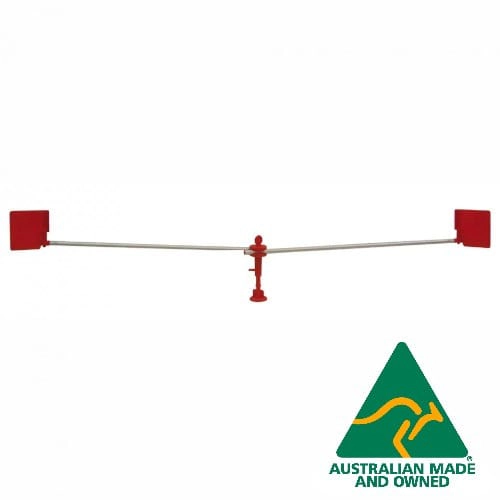
Wind-driven bird repeller with 2 metre rotating arms that keeps birds from roosting on hardtops, biminis, booms and decks. UV stabilised, with a bayonet base and a 12 month warranty.
Explore →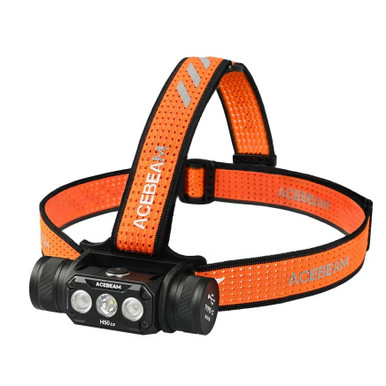
A 2000 lumen headlamp with spot and flood beams, rated IP68 and submersible to 2 metres, with a 141 metre beam and up to 30 hours on low.
Explore →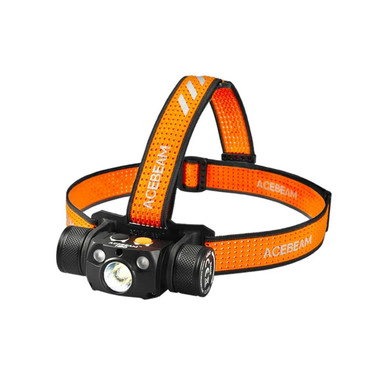
A 4000 lumen rechargeable headlamp with red and green secondary lights, a 208 metre beam, a 5100 mAh 21700 battery and USB-C charging.
Explore →