Loading this page…

Loading this page…
Sailing club
Montrose Bay Yacht Club is a friendly dinghy club on the River Derwent at Montrose, in Hobart's northern suburbs. Founded in 1951, it welcomes sailors from age eight with training and club boats, has a proud record in Moths, Sabots and Mirrors, and offers its clubrooms — complete with a parquetry dance floor — for functions.
About
Montrose Bay Yacht Club is a friendly dinghy club on the River Derwent at Montrose, in Hobart's northern suburbs. Founded in 1951, it welcomes sailors from age eight with training and club boats, has a proud record in Moths, Sabots and Mirrors, and offers its clubrooms — complete with a parquetry dance floor — for functions.
Service area: Montrose, TAS
Keep exploring
Montrose Bay Yacht Club sits on Foreshore Road, Montrose, on the upper reaches of the River Derwent in Glenorchy. It is an Australian Sailing affiliated club with sailing for everyone aged eight and up, and no prior experience is needed — the club has training and club boats available so newcomers can get started without buying a boat.
The clubrooms include a multi-purpose space and a function area with a parquetry dance floor, which can be hired for events (bookings via MontroseBay.Bookings@gmail.com). General sailing enquiries go to MBYC.tas@gmail.com. See other clubs nearby on our Montrose sailing clubs page.
Sailing at Montrose Bay is open to everyone aged eight and over, and you do not need any experience to start. The club keeps training boats and club boats so that beginners can learn without buying their own, and experienced members are on hand to help newcomers find their feet. It is a good fit for families, with children and parents often learning side by side.
The club's heritage is in small dinghies — Moths, Sabots and Mirrors in particular — and those classes have given generations of local sailors a solid grounding in boat handling and racing. If you are unsure whether club sailing is for you, our guide to choosing a sailing club explains what to look for.
The club is on Foreshore Road at Montrose, in Glenorchy, on the upper reaches of the River Derwent north of Hobart's city centre. The upper Derwent tends to be more sheltered than the wide estuary further south, which makes it a comfortable place for young and new sailors to learn.
The current clubrooms, opened in 1970, offer a multi-purpose space and function area with a parquetry dance floor, available for hire. For more on sailing around the city, see our Hobart destination guide, or compare clubs downriver on our Sandy Bay sailing clubs page.
See our Montrose sailing clubs page for other clubs nearby on the upper Derwent.
Montrose Bay Yacht Club was founded in 1951 by seven local sailors, helped along by a £25 grant from the Austins Ferry Yacht Club. Its first fleet of twelve boats launched from Grove Pier at Grove Reserve, sailing classes such as the Moth, Sabot, International Cadet, Rainbow and Mirror. The first clubrooms, a converted army hut, followed in 1955, and new clubrooms opened in 1970.
The club grew quickly. By 1970 it had 240 members, around 80 per cent of them juniors, and Moths, Sabots and Mirrors became its main racing classes — the Mirror fleet was the club's most popular through the 1970s and 80s. Montrose Bay hosted the Australian Moth Championships in 1960 and 1966, as well as Sabot and Mirror national championships. Member Michael Adams won the Mirror Nationals in 1980, and Nick Rogers went on to win the World Dragon Championship and eight national Dragon titles.
Apollo Bay is a small working harbour on Victoria’s Great Ocean Road where sheltered inshore sailing meets the Southern Ocean. The character is a mix of protected harbour berths and an exposed open coast: pleasant day-sails and sheltered weekend cruising inside the bay, with demanding coastal passages immediately offshore where south‑westerly swell and strong winds from the Southern Ocean dominate. It suits coastal cruisers, trailer sailors who launch at the ramp, and experienced coastal sailors who understand bar and swell behaviour; it is not a casual open‑ocean anchorage for unprepared or

Late spring to summer is usually the best time for beginners to start learning to sail in Tasmania because the weather is generally warmer, days are longer and conditions are often more settled. Expect lighter to moderate winds with regular afternoon sea breees in summer, while spring and autumn bring more changeable and sometimes stronger conditions; winter is colder, wetter and typically windier with more fronts and swell.
Explore →
Pick a protected bay, estuary or river reach where you can rig, launch and arrive on calm water within a short, sheltered transit; choose a site with a good ramp or jetty, clear recovery options and a nearby sailing club, marina or commercial operator for local knowledge and help.
Explore →
Use ramps and beaches with respect for local conditions: check ramp layout, tide and swell, wind direction, vehicle access and crowding; prepare boat and crew before you launch or retrieve; and follow local signage, courtesy and safety practices. Specifics vary by ramp and beach, so confirm details for the exact site before you go.
Explore →
Write a one‑page plan with the who/what/when/where/how of your trip, keep a copy on board and leave the main copy with a responsible person ashore (and optionally with your club, marina office or local volunteer rescue service).
Explore →
A practical guide for new sailors on picking the right Australian sailing club: training, boat access, racing, social fit, costs and the key questions to ask before joining.
Explore →A practical guide for recreational sailors planning day sails or short cruises around Batemans Bay, Broulee and the Clyde River. Covers local conditions, safe approaches, anchorages, launching, tides, common hazards, and checklists for trip planning and on-water decisions.
Explore →Practical guide for recreational sailors navigating the Swan River and coastal waters around Perth. Covers local weather patterns, tides and currents, river navigation, launching and berthing options, safety equipment, common hazards, and step-by-step pre-departure and on-water checklists tailored to Western Australian
Explore →Practical guide for recreational sailors planning passage on the Hawkesbury River: how to plan around tides, choose anchorages, read local conditions and prepare the boat and crew for a safe, comfortable trip.
Explore →Burke Yachtsman Gear Bag 40L - Shop Now Zip Pay | Tamar Marine Skip to content 59 – 63 Holbrook Street, Invermay Online Shop Open 24/7 Products search Contact us 1300 MARINE $ 0.00 0 Cart Burke Yachtsman Gear Bag 40L $ 79.90 Colour Choose an option Black Blue Black Blue Clear - Burke Yachtsman Gear Bag 40L quantity + Add to cart Enquire about this product SKU BAGB-Y24/BLACK* Category Bags - Sail & Gear A Burke classic and customer favourite, the Yachtsman’s Gear Bag is built tough to handle wet, salty conditions while keeping your gear dry and protected. Made from double coated waterproof…
Explore →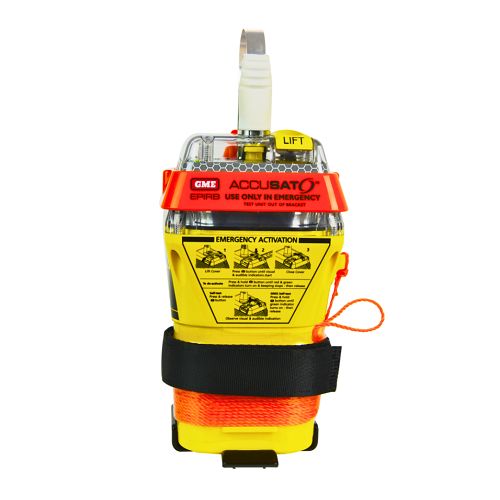
A 10‑year battery EPIRB with integrated GNSS (supports GPS and Galileo), infrared strobe and 121.5 MHz homing signal. Approved for worldwide COSPAS‑SARSAT operation.
Explore →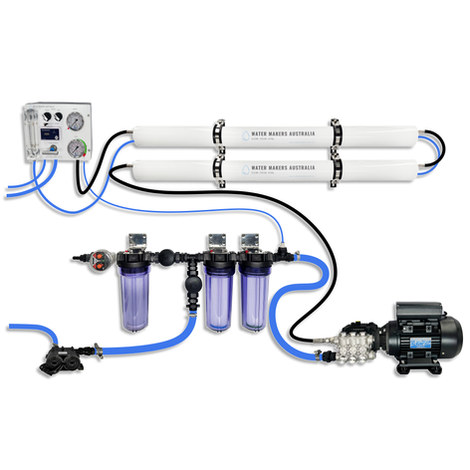
A two-membrane modular watermaker with 140 L/h nominal output, aimed at families and liveaboards that want more water per run.
Explore →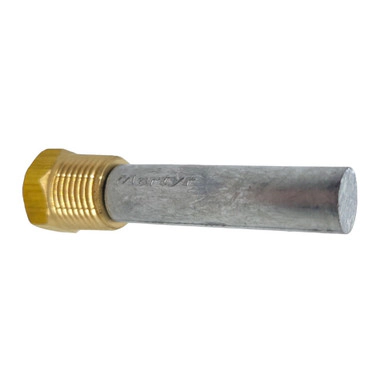
Imported from All Marine Spares. This draft has no editorial summary yet.
Explore →