Loading this page…

Loading this page…
Sailing club
Club on Garden Island beside the Adelaide Dolphin Sanctuary for small to medium yachts, power boats, tinnies and kayaks, with marina berths, moorings, a hardstand, slipways and a launching ramp.
About
Club on Garden Island beside the Adelaide Dolphin Sanctuary for small to medium yachts, power boats, tinnies and kayaks, with marina berths, moorings, a hardstand, slipways and a launching ramp.
Service area: Garden Island, Adelaide metro - Port River, SA
Keep exploring
Club on Garden Island beside the Adelaide Dolphin Sanctuary catering for small to medium yachts, power boats, tinnies and kayaks. Offers marina berths, traditional chain moorings, a hardstand for long-term builds, two working slipways for vessels up to 20 tonnes and a trailer-boat launching ramp with pontoon.
See other clubs nearby on our Garden Island sailing clubs page.
The Small Boat Club of SA is a practical, members-run club for owners of small to medium yachts, power boats, tinnies and kayaks, and much of the learning happens informally around the hardstand and workshops as members help each other maintain and improve their boats. It is a welcoming place for people who enjoy hands-on boating and want an affordable base on the Port River.
For formal courses, the Cruising Yacht Club of South Australia Marine Academy at North Haven runs keelboat, powerboat, navigation and safety training, and Port River Sailing Club offers dinghy sail training nearby. Our guide to essential safety equipment for Australian sailing boats is also worth a read.
Angas Inlet and the adjoining Barker Inlet are shallow, mangrove-lined estuaries, and local knowledge starts with the tide: depths outside the marked channels are minimal, and the causeway built to reach Garden Island in the 1960s blocked tidal exchange, accelerating siltation that members have watched creep ever since. Keel boats keep to the channels and move around mid-tide or better; tinnies, kayaks and shoal-draught craft have the run of the place.
The reward is some of Adelaide's most protected small-boat water, with dolphins from the adjoining sanctuary regularly working the channels and pelicans standing on the channel posts. Fishing for bream, whiting and flathead along the mangrove edges is a club staple, and the inlet is calm water for teaching kids to sail or paddle. The slipways and yard get busy in late winter as boats prepare for the season, and club races and social sails use the inlet and the Port River.
Ashore, the club is reached via Grand Trunkway over the North Arm bridge, and Port Adelaide's chandlers, engineers and pubs are minutes away, which is where members fuel, provision and source parts. Visitors should note the club is a private members' facility, so contact ahead rather than arriving unannounced, though new members and visiting boats are genuinely welcomed.
For anyone contemplating a home build or a long restoration, the hardstand's long-term rates and the resident expertise are the club's trump card, and the Saturday bar session is where the local knowledge, tide quirks, mud banks and all, is freely handed out.
The Small Boat Club of SA exists because of an eviction. In 1962 the Harbours Board told the boat owners who had long anchored in a cove of the Port River that the ground was needed for wharf development, and hinted that a formed boat club might be found another home. The boaties took the hint, founded the club that year, and were allocated mangrove land on Garden Island fronting Angas Inlet, where members cleared virgin coast and built the club from scratch; incorporation followed in June 1966.
Whether the Small in the name referred to the boats or the founding membership is still debated. Through the 1970s the club grew past a thousand members, with boats packed fore and aft on moorings, and it retains that practical, hands-on culture today. It caters deliberately to small and medium craft, yachts, power boats, tinnies and kayaks, and sits beside the Adelaide Dolphin Sanctuary in protected estuarine water a short drive from historic Port Adelaide.
Among Adelaide clubs it occupies two niches nobody else fills: it is the only club in the city offering traditional chain moorings, and the only one offering affordable long-term hardstand sites for home builders and restorers. The clubhouse is a renovated, volunteer-run affair with a licensed bar opening Friday evenings, Saturdays and Sunday afternoons, and the membership includes a strong share of tinkerers, trailer-boat fishers and families using the calm inlet waters.
At its 1970s peak the moorings were packed cheek by jowl, and photographs from that era of sailpasts and slipway launches still hang in the clubrooms.
Brunswick Heads is a small town at the mouth of the Brunswick River on the far north coast of NSW. A bar entrance leads to a sheltered boat harbour suited to trailer boats and small cruising yachts.

Use ramps and beaches with respect for local conditions: check ramp layout, tide and swell, wind direction, vehicle access and crowding; prepare boat and crew before you launch or retrieve; and follow local signage, courtesy and safety practices. Specifics vary by ramp and beach, so confirm details for the exact site before you go.
Explore →
Local rules, marine‑park zoning and permit needs vary by reserve around South Australia’s coast — check the relevant marine park zoning map and SA Department for Environment and Water (DEW) information for the exact area before you go.
Explore →
A regular, layered maintenance routine combining hull cleaning, targeted anti-fouling management, cathodic protection and systems checks will substantially reduce marine growth and corrosion for boats kept year‑round in South Australian waters. Focus on preventing attachment and electrochemical attack, then inspect and act more often if you’re in warm, nutrient-rich or high‑traffic sheltered waters.
Explore →
Plan passages across Spencer Gulf or to Kangaroo Island by basing fuel on your boat’s actual consumption plus a generous reserve, choosing sensible staging/stop options that match your boat and crew, and prioritising shelter and weather windows (gale fronts, strong winds and tidal streams can make the gulf uncomfortable or unsafe). Confirm fuel availability, safe anchorages or marinas on your route, and check up-to-date local weather, tide and navigation information before you go.
Explore →
A concise, practical guide to the points of sail and how to trim sails effectively for common Australian conditions. Learn the basics of wind angles, sail shape, telltales, reefing considerations and simple steps to improve boat speed and balance.
Explore →A concise, practical introduction to the essential parts of a recreational sailing boat for beginners in Australia. Covers hull, deck, rigging, sails, steering, below-decks spaces and safety equipment, with simple explanations, common mistakes and a pre-sail checklist to help new sailors communicate and get underway.
Explore →
A practical guide for new sailors on picking the right Australian sailing club: training, boat access, racing, social fit, costs and the key questions to ask before joining.
Explore →Practical guide for recreational sailors planning passage on the Hawkesbury River: how to plan around tides, choose anchorages, read local conditions and prepare the boat and crew for a safe, comfortable trip.
Explore →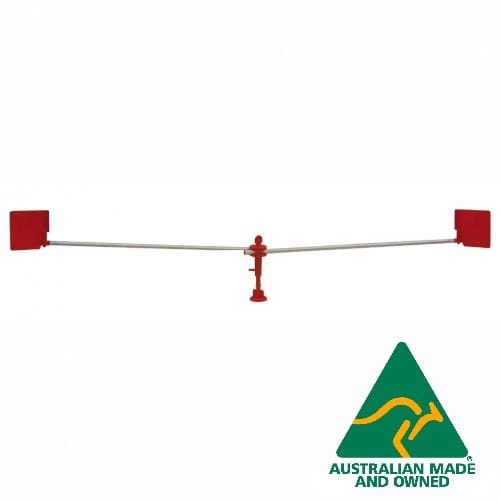
Wind-driven bird repeller with 1 metre rotating arms for smaller areas such as a boom, a solar panel or a small bimini. UV stabilised, with a bayonet base and a 12 month warranty.
Explore →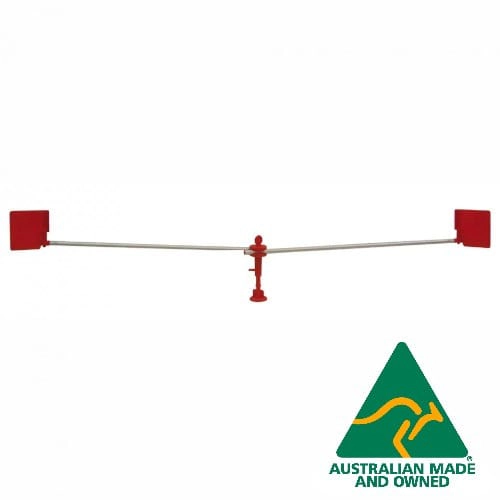
Wind-driven bird repeller with 2 metre rotating arms that keeps birds from roosting on hardtops, biminis, booms and decks. UV stabilised, with a bayonet base and a 12 month warranty.
Explore →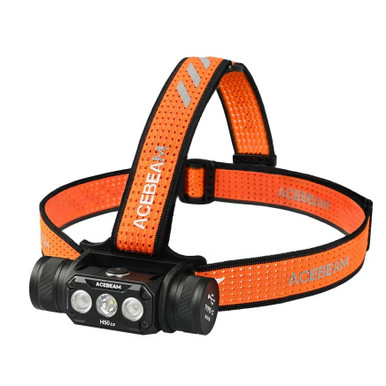
A 2000 lumen headlamp with spot and flood beams, rated IP68 and submersible to 2 metres, with a 141 metre beam and up to 30 hours on low.
Explore →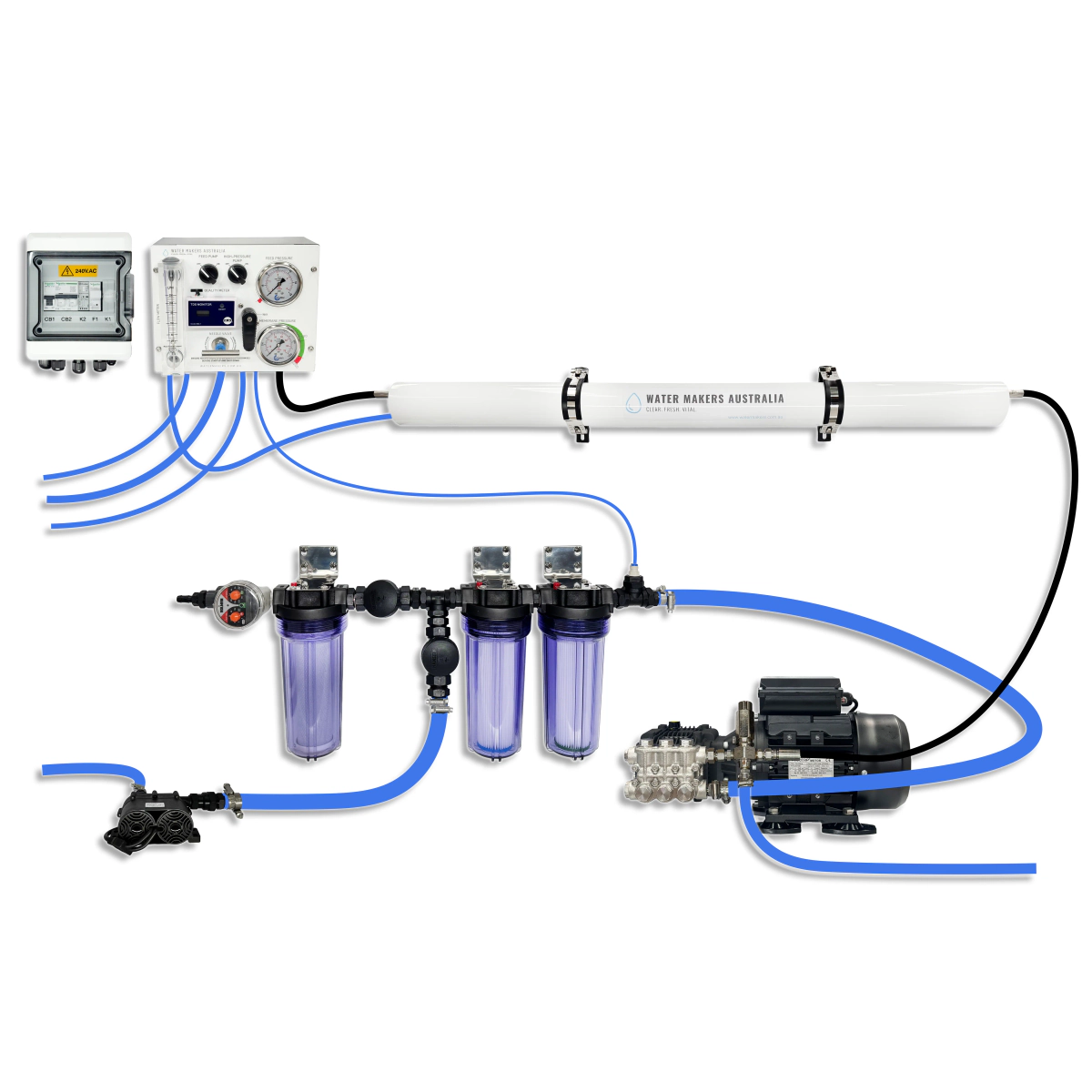
Single-membrane reverse-osmosis watermaker with a 1.1 kW motor, producing a nominal 60 L/h from a 2 kVA inverter or small generator, for cruising couples on boats of about 9 to 14 m.
Explore →