Loading this page…

Loading this page…
Sailing club
Spring Bay Boat Club is a friendly sailing and power boat club in the harbour at Triabunna on Tasmania's east coast, close to Maria Island, the Freycinet Peninsula and Wineglass Bay. Started in 1975 by dinghy sailors, it runs regular sailing races, summer excursions to nearby islands, and a small marina, hardstand and clubhouse.
About
Spring Bay Boat Club is a friendly sailing and power boat club in the harbour at Triabunna on Tasmania's east coast, close to Maria Island, the Freycinet Peninsula and Wineglass Bay. Started in 1975 by dinghy sailors, it runs regular sailing races, summer excursions to nearby islands, and a small marina, hardstand and clubhouse.
Service area: Triabunna, Tasmania
Keep exploring
Spring Bay Boat Club is based at 20 Esplanade East in the Triabunna harbour precinct on Tasmania's east coast. It has about 180 members plus family members, and caters for both sailors and power boat owners, with regular sailing races and events for its large power boat membership.
Facilities include a small marina, a hardstand and launching facility, and a clubhouse with showers and toilets, all within fenced grounds with an electronic security gate. The club is affiliated with Australian Sailing. For general enquiries call 0417 303 076, or 0407 773 830 for the marina and hardstand. See other clubs nearby on our Triabunna sailing clubs page.
Spring Bay Boat Club is a community club rather than a formal sailing school, but it has recently invested in young sailors: in partnership with the local school, the club bought a fleet of six Pacer dinghies for a sail training project. It is a great example of a small club helping local kids get out on the water.
For adults, regular sailing races are the best way to learn from experienced members, and the club's summer excursions are an easy introduction to cruising in company. If you are planning a trip up the east coast, our guide to planning a coastal sailing passage is a useful starting point.
The club sits in the harbour precinct at Esplanade East, Triabunna, on Spring Bay — a sheltered harbour on Tasmania's east coast and the departure point for the Maria Island ferry. From here, Maria Island is right on the doorstep, and the club's summer excursions head to Maria and Schouten Islands and around to Wineglass Bay on the Freycinet Peninsula.
On shore there is a small marina, a hardstand and launching facility, and a clubhouse with showers and toilets, all behind a secure electronic gate. Contact the club on 0407 773 830 about marina and hardstand use.
Mercury Passage, between Maria Island and the mainland, can get lively when the wind funnels through, so check the forecast before heading across. Our FAQ on docking in gusty Tasmanian winds is handy for coming back into the marina, and see our Triabunna sailing clubs page for more.
Spring Bay Boat Club was started in 1975 by a small group of local and weekender off-the-beach dinghy sailors. Over the years it has grown into a well-equipped club with a permanent home in the Triabunna harbour precinct, a marina, hardstand and clubhouse, and about 180 members plus their families — while still keeping sailing, and a love of the east coast, at its heart.
Triabunna has a long maritime history of its own. In the convict era it was a garrison and supply town for the Maria Island penal settlement, and it later became a whaling and fishing port. Today the harbour is home to fishing boats, the Maria Island ferry and the boat club's marina, and the club's annual trips to Maria Island, Schouten Island and Wineglass Bay give members a taste of some of Tasmania's most beautiful cruising.
Bicheno is a small, working fishing town on Tasmania’s east coast whose modest harbour and nearby bays give visiting sailors a taste of exposed coastal sailing and sheltered inshore cruising. Distinctive for its granite shoreline, clear water and proximity to Freycinet and Friendly Beaches, Bicheno suits day sails, sheltered weekend cruising and coastal passages along the east coast rather than long ocean crossings. It favours skippers who can manage changeable onshore winds, read coastal swell and plan for limited shore facilities outside the main tourist season.

Look for a friendly club with beginner-focused training, accessible facilities and boats, a supportive community, clear safety practices, and opportunities to progress at your own pace.
Explore →
Late spring to summer is usually the best time for beginners to start learning to sail in Tasmania because the weather is generally warmer, days are longer and conditions are often more settled. Expect lighter to moderate winds with regular afternoon sea breees in summer, while spring and autumn bring more changeable and sometimes stronger conditions; winter is colder, wetter and typically windier with more fronts and swell.
Explore →
Plan to use tide and local knowledge, slow and steerable power, and deliberate positioning to work with—rather than fight—strong streams and eddies when entering or leaving Tasmanian harbours.
Explore →
Use ramps and beaches with respect for local conditions: check ramp layout, tide and swell, wind direction, vehicle access and crowding; prepare boat and crew before you launch or retrieve; and follow local signage, courtesy and safety practices. Specifics vary by ramp and beach, so confirm details for the exact site before you go.
Explore →
A practical guide for new sailors on picking the right Australian sailing club: training, boat access, racing, social fit, costs and the key questions to ask before joining.
Explore →A practical guide to the coastal weather systems that affect sailing along Western Australia's coast, focusing on the Fremantle Doctor, local sea breezes, and linked coastal phenomena. Explains how these systems form, when they tend to occur, how they influence boat handling and passage planning, common mistakes, and a
Explore →A concise, practical introduction to the essential parts of a recreational sailing boat for beginners in Australia. Covers hull, deck, rigging, sails, steering, below-decks spaces and safety equipment, with simple explanations, common mistakes and a pre-decast checklist to help new sailors communicate and get underway.
Explore →A concise, practical guide for recreational sailors in New South Wales that explains southerly busters, sea breezes and east coast lows, how they form, how they affect coastal sailing, common signs to watch for, equipment and preparation, and clear next steps to plan safer outings.
Explore →Burke Yachtsman Gear Bag 40L - Shop Now Zip Pay | Tamar Marine Skip to content 59 – 63 Holbrook Street, Invermay Online Shop Open 24/7 Products search Contact us 1300 MARINE $ 0.00 0 Cart Burke Yachtsman Gear Bag 40L $ 79.90 Colour Choose an option Black Blue Black Blue Clear - Burke Yachtsman Gear Bag 40L quantity + Add to cart Enquire about this product SKU BAGB-Y24/BLACK* Category Bags - Sail & Gear A Burke classic and customer favourite, the Yachtsman’s Gear Bag is built tough to handle wet, salty conditions while keeping your gear dry and protected. Made from double coated waterproof…
Explore →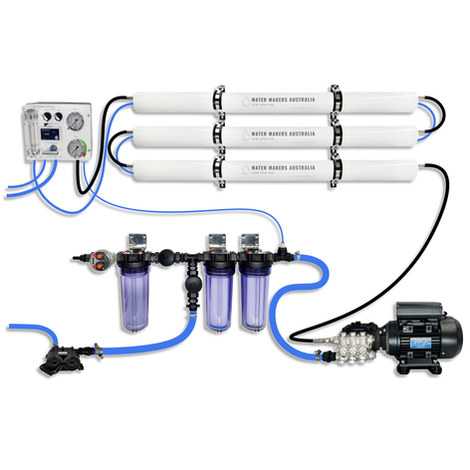
A three-membrane modular watermaker with 200 L/h nominal output and up to 240 L/h family-level marketing, for larger crews and heavy use.
Explore →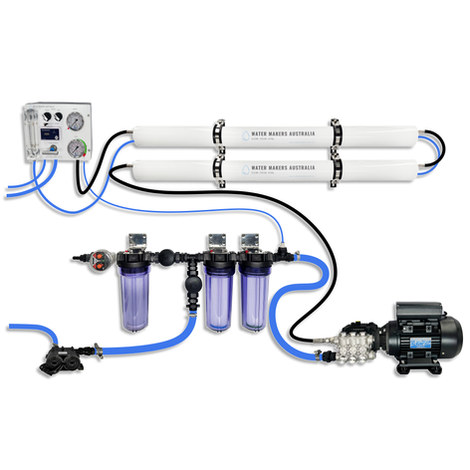
A two-membrane modular watermaker with 140 L/h nominal output, aimed at families and liveaboards that want more water per run.
Explore →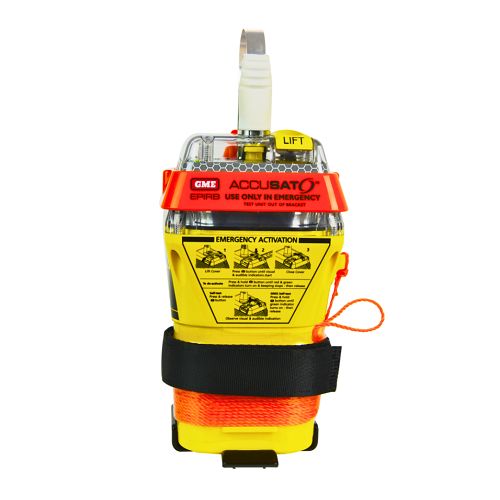
A 10‑year battery EPIRB with integrated GNSS (supports GPS and Galileo), infrared strobe and 121.5 MHz homing signal. Approved for worldwide COSPAS‑SARSAT operation.
Explore →