Loading this page…

Loading this page…
Sailing club
Theresa Creek Water Sports Club Inc is a community water-sports club based at Theresa Creek Dam (Lake Theresa) near Clermont in the Isaac Region of Central Queensland. Best known locally for water skiing and jet skiing, the club has recently hosted the Clermont Outback Regatta in partnership with Keppel Bay Sailing Club and Australian Sailing, bringing dinghy racing and junior sail‑training to an inland dam setting.
About
Theresa Creek Water Sports Club Inc is a community water-sports club based at Theresa Creek Dam (Lake Theresa) near Clermont in the Isaac Region of Central Queensland. Best known locally for water skiing and jet skiing, the club has recently hosted the Clermont Outback Regatta in partnership with Keppel Bay Sailing Club and Australian Sailing, bringing dinghy racing and junior sail‑training to an inland dam setting.
Service area: Theresa Creek Dam (Lake Theresa), 22 km south‑west of Clermont, Isaac Region, Central Queensland
Keep exploring
Four hundred and twenty kilometres from the nearest coastline, a sailing regatta runs each winter on a dam in Queensland's coal country — and the host is a water-ski club. Theresa Creek Water Sports Club Inc is a community water-sports organisation based at Theresa Creek Dam, also known as Lake Theresa, near Clermont in the Isaac Region of Central Queensland. Water skiing is the club's primary sport, with jet skiing close behind; by any ordinary measure it would not belong in a book of sailing clubs at all.
What changed that was the Clermont Outback Regatta. The idea surfaced in August 2021, when the Clermont Community Business Group floated a sailing event on the dam and teamed up with the club to make it real; with guidance from Australian Sailing and the practical muscle of Keppel Bay Sailing Club from Yeppoon, the inaugural regatta ran in August 2023 — an occasion the national body characterised as bringing sailing to the bush. The club then served, jointly with Keppel Bay Sailing Club, as the Organising Authority for the 2024 edition on 3-4 August.
There is no standalone club website; the club's public footprint runs mostly through its event partners and community directories, and its founding year isn't published. What is recorded is a venue that impressed the visiting sailors: regatta documents style the venue under the club's name at Lake Theresa, and the coastal assessors judged the clubhouse, water access and camping an ideal regatta setting. An outback dam with ramps, rigs and a growing regatta tradition — that is the unlikely sailing story told here.
The headline program is one the club hosts rather than owns outright: an Australian Sailing OutThere Sailing Experience — sessions for twelve-to-seventeen-year-olds spanning sailing, windsurfing, stand-up paddleboarding and powerboating — scheduled at the dam for August 2026, with instruction provided by qualified Australian Sailing coaches supplied through Keppel Bay Sailing Club.
That partnership model is the honest frame for everything sail-training-related here: the club itself holds no Discover Sailing Centre accreditation, and teaching arrives with the visiting experts from the coast. The regatta itself functions as the region's sailing classroom. The inaugural 2023 event devoted its mornings to sailing and boating tasters for children and young people drawn from surrounding towns, before racing took over the afternoons and a marathon closed proceedings.
The 2024 regatta structured competition across five divisions: Open Monohulls; Open Catamarans, which admitted Weta trimarans on a yardstick of 91; an Intermediates division for boats rated above 120 on the Australian Sailing yardstick — Laser 4.7s, Corsairs, Flying 11s and RS Fevas among them; Juniors in Optimists, Sabots and Open Bics; and a Junior Green Fleet for the least experienced.
Six heats across two days were scored on the yardstick system, an Adventure Sail rounded out the program, and entry fees ran from twenty to fifty dollars depending on division — pricing plainly set to attract bush families rather than deter them. Outside regatta week, the club's everyday on-water life belongs to its original sports: water skiing and jet skiing across the dam's open reaches.
Between the tow-sport regulars and the annual influx of dinghies, the programming philosophy stays consistent — get regional families onto the water by whatever craft is at hand.
The venue is, by the local council's cheerful description, an oasis in the outback. Theresa Creek Dam sits twenty-two kilometres to the south-west of Clermont, just off the Peakvale Road, in the Isaac Region of Central Queensland — grazing and coal country, hours inland from the Coral Sea. The dam was constructed in 1983 by Blair Athol Coal to secure Clermont's water supply; it is now owned by Isaac Regional Council and covers roughly three hundred hectares, a broad sheet of freshwater ringed by open bush.
For sailing purposes the setting is genuinely unusual: there is no tide, no swell and no salt, and the winds that reach the dam arrive overland across hundreds of kilometres of dry country. The club's site impressed the coastal sailors who assessed it. Keppel Bay's evaluation — conducted after a five-hour drive inland — found a substantial clubhouse, easy water access and excellent camping, the combination that convinced them the dam could host a proper regatta.
The broader facility list reads like a well-kept caravan park: a pair of boat ramps with bitumen approaches, camping shelters, a food kiosk, free showers and toilets, barbecues, a playground and designated swimming areas, with unpowered camping priced at twenty dollars for two adults. Anglers share the water; the dam is stocked with barramundi, sleepy cod, silver and golden perch, eel-tailed catfish and bony bream, though redclaw crayfish is the main catch, and a Stocked Impoundment Permit applies to everything except the redclaw.
Looking ahead, a masterplan for the dam — a future multi-sport venue — is currently in consultation and design with Isaac Regional Council, suggesting the club's home water has bigger chapters to come.
How and when the club itself began is simply not recorded in the material available — its founding year and founders' names have not surfaced, and with no website of its own, the club has no public home where such a story might live. Community water-ski clubs of this kind typically grew from informal gatherings of local families once a dam filled, and this dam dates only to 1983, when Blair Athol Coal built it to supply Clermont's water; beyond that honest general observation, the early record is blank.
The documented history begins instead with a sailing idea. August 2021 brought the founding idea: the Clermont Community Business Group dreamed up a sailing event on a dam 420 kilometres from the coast and approached the club to form a working group. Australian Sailing provided guidance, and Keppel Bay Sailing Club of Yeppoon joined the partnership, its people driving five hours inland to inspect the venue. What they found — clubhouse, access, camping — persuaded them to commit.
The inaugural Clermont Outback Regatta followed in August 2023, an event the national body described as bringing sailing to the bush, and which drew Australian Sailing's representative Grant Willmott to attend in person. Mornings gave local children and teenagers a taste of sailing and boating, afternoons were given over to racing, and a marathon brought the event to its close. The following year the club formally stepped up: for the 2024 Outback Regatta, run on 3-4 August, it acted as Organising Authority in conjunction with Keppel Bay.
The venture even caught the eye of the mining-industry press, with magazine The Coalface covering the story under the heading "Clermont Sets Sail" — a fair summary of how a tow-sport club put inland Queensland on the sailing map.

Many pets can enjoy sailing but suitability comes down to temperament, physical fitness and how you introduce them. Do a calm, staged assessment and get a vet check before you take them offshore.
Explore →
Plan the trip by setting a clear route and timeline, checking tides and currents for your passage times, identifying safe anchorages/harbours as escape options, and building a conservative margin for delays and weather changes.
Explore →
Pick a stable, simple, forgiving dinghy with a single sail or basic sloop rig, affordable handling and easy maintenance—ideally one with a local class or school nearby so you can access coaching and spare parts.
Explore →
Recover a capsize by staying calm, keeping hold of the boat, using the centreboard/daggerboard as a lever and the crew’s weight to right the hull, and controlling the sail so you don’t re–capsize. For double‑handers coordinate helm and crew roles: one manages the centreboard and body position, the other eases sheets and checks for gear.
Explore →A practical guide for recreational sailors planning voyages to Esperance and the Recherche Archipelago: what to expect, key planning considerations, common anchorages, safety and communications, equipment recommendations and sensible steps for a successful trip in this remote southern WA cruising area.
Explore →
A concise, practical guide to the points of sail and how to trim sails effectively for common Australian conditions. Learn the basics of wind angles, sail shape, telltales, reefing considerations and simple steps to improve boat speed and balance.
Explore →A practical, Australian-focused guide explaining how sails generate drive, the points of sail, and how to trim sails for different conditions. Includes simple explanations of aerodynamic concepts, step-by-step trim checks, common mistakes and clear next steps for practice on the water.
Explore →A practical guide for new recreational sailors in Australia covering essential safety equipment, basic rules of the water, good habits, and simple checklists to help you plan safer outings.
Explore →
The entry-level Poclink push-to-talk radio: 4G mobile network only, three years of service included, sold as a two-pack for half the price of the Pro and Ultra.
Explore →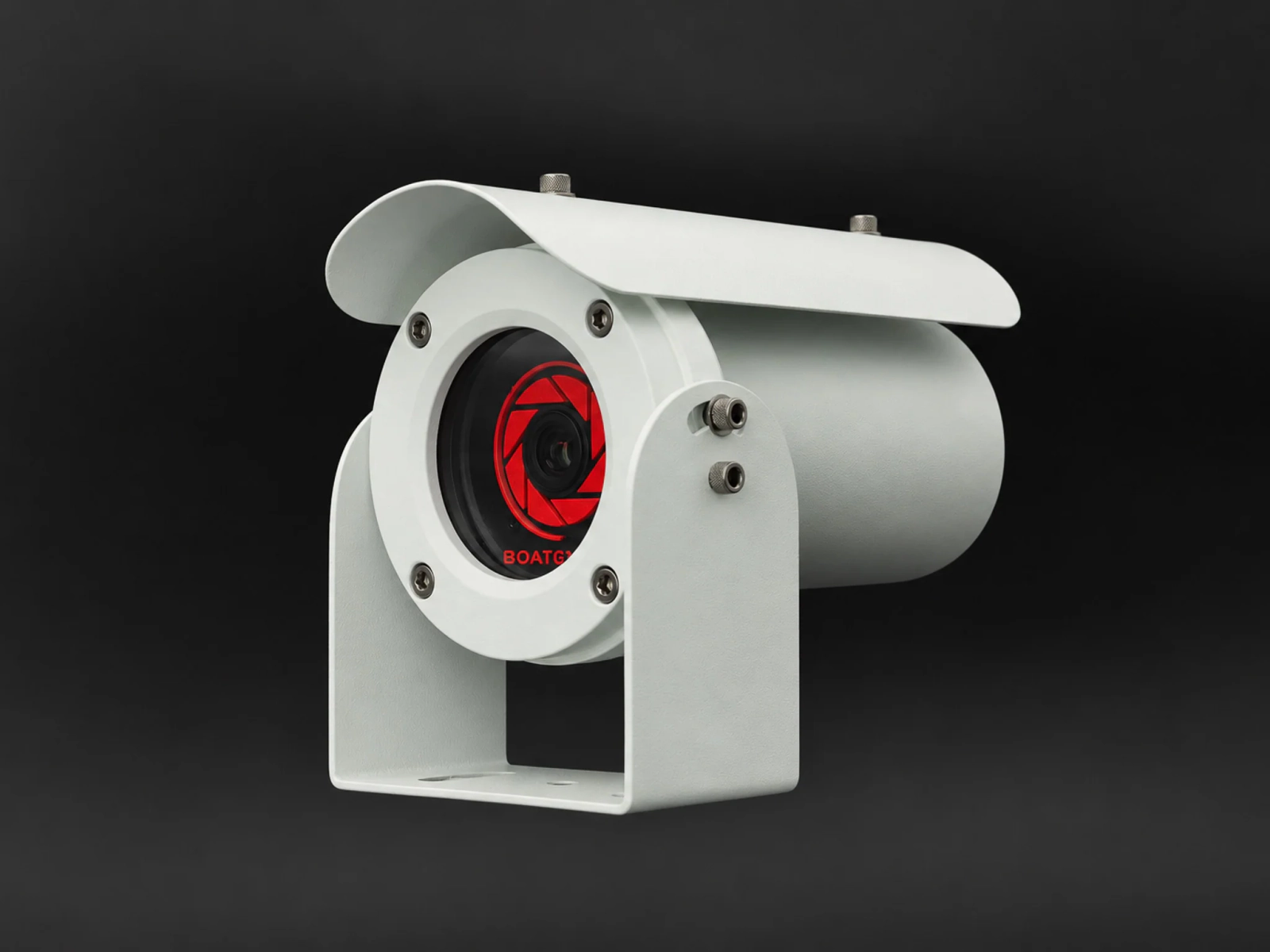
The original BoatEye360 full-colour low-light camera: the same 0.0001 lux sensor as the V2 in a larger 316L stainless housing, with HDMI and analog output, at a lower price.
Explore →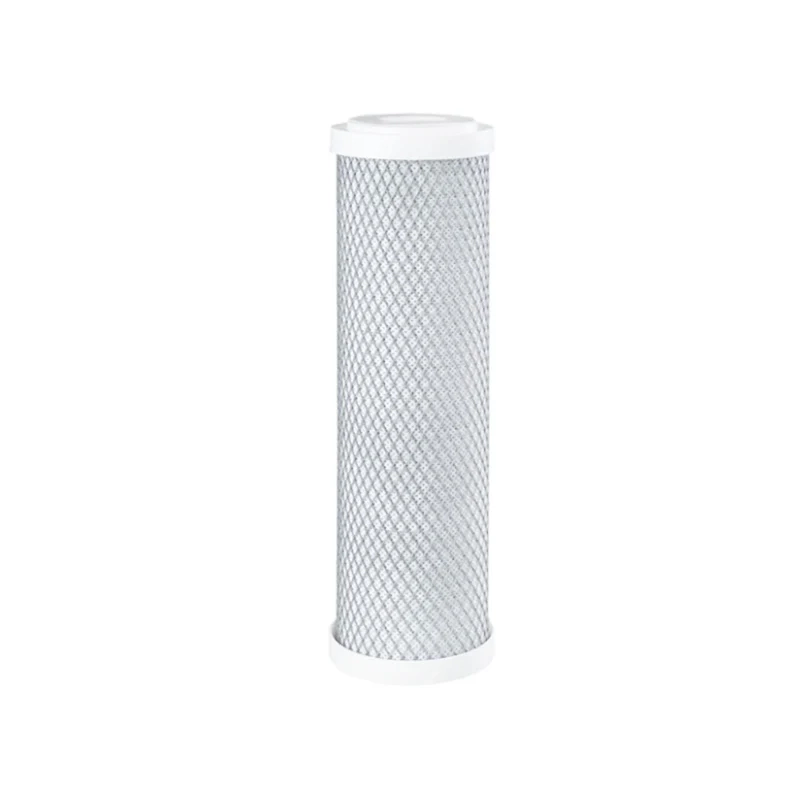
Standard 10 x 2.5 inch activated coconut carbon block cartridge, 5 micron nominal. It sits in the freshwater flush line and helps remove chlorine before the flush water reaches the membrane.
Explore →
Push-to-talk radio that uses 4G mobile networks where there is coverage and a built-in 16-channel analog radio where there is none, with GPS and SOS. Sold as a two-pack.
Explore →