Loading this page…

Loading this page…
Sailing club
Toukley Sailing Club is a small, community-run off‑the‑beach dinghy club on the northern shore of Tuggerah Lake (Canton Beach), Central Coast NSW. The club welcomes monohulls and catamarans, sails a regular Sunday season (September–May), and is a recognised venue for state and national single‑handed and small‑catamaran championship regattas. Facilities include a clubhouse with canteen, toilets and hot showers, and the grounds are used for visitor camping during major events.
About
Toukley Sailing Club is a small, community-run off‑the‑beach dinghy club on the northern shore of Tuggerah Lake (Canton Beach), Central Coast NSW. The club welcomes monohulls and catamarans, sails a regular Sunday season (September–May), and is a recognised venue for state and national single‑handed and small‑catamaran championship regattas. Facilities include a clubhouse with canteen, toilets and hot showers, and the grounds are used for visitor camping during major events.
Service area: Canton Beach / Tuggerah Lake, Central Coast, NSW
Keep exploring
Toukley Sailing Club is a community sailing club on the Central Coast of NSW (Toukley) that welcomes off‑the‑beach boats including monohulls and catamarans. Club sailing is based in the northern section of Tuggerah Lake within sight of the clubhouse, with occasional longer races to Long Jetty and The Entrance. The club notes a good rigging and launching area and provides clubhouse facilities including a canteen, toilets and hot showers. Sailing season runs September to May and the club sails on Sundays from 9am.
Long-distance days set Toukley apart from the average beach club. Alongside the regular program, the club runs occasional marathon sails from Canton Beach down the lake system to Long Jetty and The Entrance, passages that build boat-handling stamina and give sailors a genuine sense of journey rather than another lap of the buoys. The season runs from September through to May, with members gathering at the clubhouse from 9am on Sundays, and the open-door policy means a newcomer can arrive with any off-the-beach boat, or none, and find a place in the fleet.
The fleet mix tells you what the club does best. Hobie-style catamarans and Paper Tigers share the beach with OK dinghies, Spirals and Impulses, and the club has become a regular venue for single-handed championship racing in particular. That discipline rewards the sailor who puts in the hours, and Toukley's calendar offers every excuse to do so. The calibre of the visiting racing lifts everyone: Toukley sailor Glenn Bond, for instance, placed third in the Impulse division of a state championship held with the Zhik single-handed regatta.
Hosting the Spiral nationals in January 2026, complete with the class AGM held at the club, and the Paper Tiger national titles that same summer gave local sailors championship-standard competition on home water.
No accredited Tackers or Discover Sailing Centre program appears in the club's public record, so the pathway here is the traditional one: turn up on a Sunday, sail with people who know the lake, and let the racing calendar sharpen your skills. For many sailors, that apprenticeship model still works perfectly well.
The clubhouse stands at 77 Moss Avenue in Toukley, reached down a driveway off Beach Parade, right beside Canton Beach on Tuggerah Lake's northern shore. Racing happens in the lake's northern section, within sight of the clubhouse, so spectators and canteen staff can follow the action without leaving the grass. The club describes its rigging and launching area as the best in the region, and with a broad lakefront beach at the doorstep the claim has some logic to it. Facilities include a canteen, toilets and hot showers, and during major regattas the grounds open for camping, which has made the club a popular and affordable championship venue for visiting dinghy classes.
Tuggerah Lake is part of a coastal lagoon system of three interconnected shallow lakes: Tuggerah Lake itself, Budgewoi Lake and Lake Munmorah. The whole system links to the ocean through just one narrow, dredged channel at The Entrance, which means tidal movement on the lake is minimal. For sailors, that translates to predictable water: no currents to factor into a beat, and a breeze pattern driven mainly by the daily cycle of land and sea air rather than by tide lines. The shallowness of the lagoons keeps the chop short and steep in a blow rather than building ocean-style swell, which suits the lightweight dinghies and catamarans that dominate the fleet.
The surrounding estuary catchment is home to roughly 140,000 people, so the lake doubles as the Central Coast's aquatic playground. Even so, the northern reaches around Canton Beach retain a quiet, suburban-fringe feel that visiting sailors consistently remark on.
The written record of Toukley's beginnings is patchy. A club first formed here sometime between 1956 and 1961, then lapsed, and the names and circumstances of that original incarnation have not survived in the public record. What is certain is the second act. In 1963 Bill Cheal re-established the club, and he then served as secretary and treasurer for over fifty years, an extraordinary span of volunteer service that shaped everything the club became. When he was gone, the membership named a regatta for him: the Bill Cheal Memorial Regatta now runs each October long weekend, with the 2023 edition stretching across 30 September to 2 October.
Winter sailing has its own tradition too, with the Brass Monkey Regatta observed running off Canton Beach as far back as 2014. In recent years the club's standing as a championship host has grown steadily. The North Sails OK Dinghy NSW state titles came to town on 12 and 13 November 2022, with free camping laid on for visitors. Toukley's Glenn Bond earned third place in the Impulse class at a state championship regatta reported around that period.
Then came a remarkable summer double: the Paper Tiger Australian Championships in the 2025/26 season, won by Newcastle sailor Mark Wiggins, followed in January 2026 by the Spiral Association of Australia national titles, with the class AGM held at the club on 24 January.
Through all of it the club has remained what Bill Cheal built: a small, community-based off-the-beach club, sponsored by the local sports club, generous with its camping ground and its hospitality, and quietly proud of punching above its weight as a regatta venue.

Plan to transit Sydney Heads and northern NSW estuary entrances to take advantage of favourable tidal streams or slack water; account for local acceleration over shoals, eddies, wind-on-current effects and river discharge, and always check the latest local observations and tide/stream products before departure.
Explore →
Plan as a chain of conservative daily legs tied to your boat’s real-world fuel and speed in the expected sea state, with confirmed primary and alternate anchorages/berths, fuel legs and back-up fuel options, and a documented emergency/diversion plan (comms, tow and med-evac). Build tidal and weather gates into each leg and carry chart and comms redundancy.
Explore →
Usually not for a small sailing dinghy. In NSW a boat driving licence is needed only to drive at 10 knots or more, or to drive a personal watercraft, and a vessel must be registered if it has an engine of 4 kW or more, is 5.5 m or longer, or needs a mooring licence or marina berth. A trailer towed on public roads needs its own registration.
Explore →
Legal requirements can change — check Transport for NSW for the current rules. As a practical baseline for coastal day sailing from NSW shores: keep the right number and type of lifejackets for everyone, have a means of calling for help, show navigation lights if you’ll be out after dusk, and carry basic items to manage a man‑overboard or abandon‑ship situation. Add anchor, bilge/bailer, sun/protection and basic repair kit as recommended items.
Explore →A practical guide for recreational sailors planning day sails or short cruises on Lake Macquarie. Covers the entrance, navigation considerations, popular anchorages, local weather and tide influences, mooring etiquette, safety checks and suggested itineraries around the lake.
Explore →A practical, Australian-focused guide explaining how sails generate drive, the points of sail, and how to trim sails for different conditions. Includes simple explanations of aerodynamic concepts, step-by-step trim checks, common mistakes and clear next steps for practice on the water.
Explore →A practical guide to preparing, planning and executing a recreational offshore passage along the New South Wales coast. Covers route selection, weather and tidal considerations, vessel and crew checks, safety equipment, communication, watchkeeping and common mistakes, with clear pre‑departure and underway checklists.
Explore →
A practical guide for new sailors on picking the right Australian sailing club: training, boat access, racing, social fit, costs and the key questions to ask before joining.
Explore →
The entry-level Poclink push-to-talk radio: 4G mobile network only, three years of service included, sold as a two-pack for half the price of the Pro and Ultra.
Explore →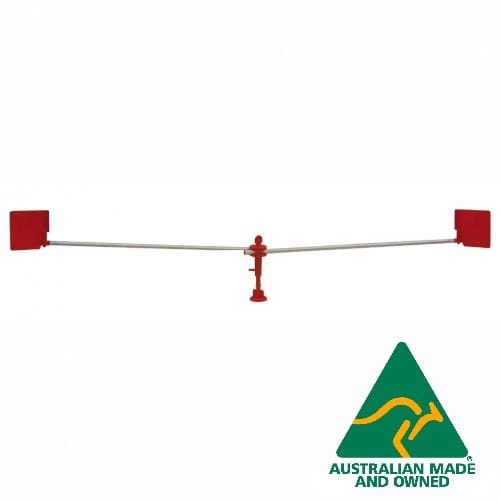
Wind-driven bird repeller with 1 metre rotating arms for smaller areas such as a boom, a solar panel or a small bimini. UV stabilised, with a bayonet base and a 12 month warranty.
Explore →
Push-to-talk radio that uses 4G mobile networks where there is coverage and a built-in 16-channel analog radio where there is none, with GPS and SOS. Sold as a two-pack.
Explore →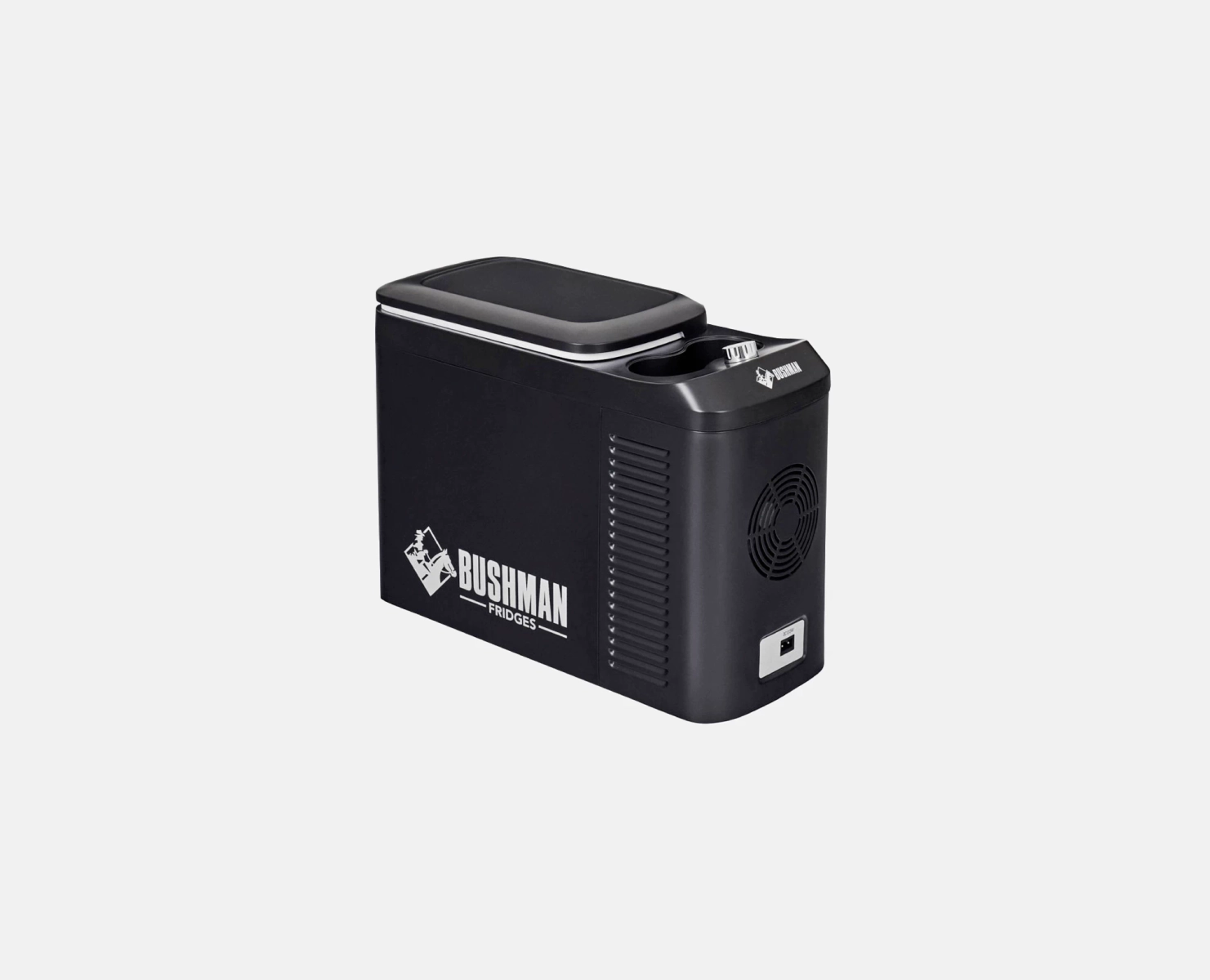
Compact 15 litre portable compressor fridge freezer for 12 or 24 V, averaging 0.58 amps per hour, with a seven-year compressor warranty.
Explore →