Loading this page…

Loading this page…
Sailing club
Victor Harbor Yacht Club has been sailing on Encounter Bay since 1957. The friendly club at 53 Bridge Terrace races a big mix of catamarans and dinghies — from Hobies, Nacras and A Class cats to Lasers, Pacers and Sabres — and ends each season with the much-loved Rum Race around Granite Island.
About
Victor Harbor Yacht Club has been sailing on Encounter Bay since 1957. The friendly club at 53 Bridge Terrace races a big mix of catamarans and dinghies — from Hobies, Nacras and A Class cats to Lasers, Pacers and Sabres — and ends each season with the much-loved Rum Race around Granite Island.
Service area: Victor Harbor, SA
Keep exploring
Victor Harbor Yacht Club (VHYC) is based at 53 Bridge Terrace, Victor Harbor, on the Fleurieu Peninsula about 80 minutes south of Adelaide. Founded in 1957, it calls itself "your second home in Victor Harbor" and welcomes new sailors and volunteers.
The club sails a wide range of boats: Stingray, Mosquito, Taipan, A Class, Hobie, Paper Tiger, Arrow, Nacra and Windrush catamarans, plus Arafura Cadet, Laser, Tasar, Pacer and Sabre dinghies. Two rescue boats and a volunteer-run bridge support every race. The club offers Discover Sailing sessions for newcomers, and its sailing calendar and membership details are on its website. See other clubs nearby on our Victor Harbor sailing clubs page.
VHYC runs Discover Sailing sessions for people who want to try sailing for the first time, and the club is always keen to welcome new sailors and volunteers. The fleet mix makes it easy to find a boat that suits you: Pacers, Tasars and Arafura Cadets are good choices for learners and families, while Lasers and Sabres suit single-handers, and there is a large range of catamarans for those who like speed.
Every race is supported by two rescue boats and a bridge staffed by volunteers, so newcomers can learn with confidence. Volunteering on the rescue boats or the bridge is also a great way to learn about racing before you take the helm yourself.
The club sits at 53 Bridge Terrace in Victor Harbor, on Encounter Bay on the south coast of the Fleurieu Peninsula. Granite Island, linked to the shore by its famous causeway, sits just offshore, and the Bluff marks the southern end of the bay.
The club's best-known course is the Rum Race at the end of the season, which runs from Victor Harbor around Granite Island to the Bluff and back — a well-attended event that brings sailors from across the state. For other clubs on the Fleurieu, see Goolwa Regatta Yacht Club and Normanville Sailing Club.
Most of the club's sailing happens inside the water sheltered by the Granite Island breakwater, which keeps things friendly for learners even when Encounter Bay is lively outside. The clubhouse on the foreshore looks straight across to Granite Island, and its licensed rooms, kitchen and bar make it a popular spot for functions and meetings as well as post-race drinks. Southern right whales visit Encounter Bay in winter, so sailors and spectators often get a bonus show from the shore.
Victor Harbor Yacht Club was established in 1957. Over the decades it has built a reputation for friendly racing and a broad fleet, with many classes of catamaran and dinghy sailing side by side on Encounter Bay. The end-of-season Rum Race around Granite Island has become one of the club's signature traditions.
The club has always been an off-the-beach club for catamarans and dinghies, and that suits Victor Harbor perfectly: boats are launched from the beach in front of the clubhouse, and a season of racing wraps up each May with the Rum Race around the local islands, weather permitting. Photographs held by the State Library of South Australia show yacht club races off Victor Harbor, a reminder of how long sailing has been part of this holiday town's life.

Pick a stable, simple, forgiving dinghy with a single sail or basic sloop rig, affordable handling and easy maintenance—ideally one with a local class or school nearby so you can access coaching and spare parts.
Explore →
Write a one‑page plan with the who/what/when/where/how of your trip, keep a copy on board and leave the main copy with a responsible person ashore (and optionally with your club, marina office or local volunteer rescue service).
Explore →
Watch for increased drooling, restlessness, vomiting, yawning or lethargy for seasickness; and heavy panting, bright red gums, weakness or collapse for heat stress. Manage both by reducing the trigger (get them stable and shaded), keeping them hydrated, monitoring closely and contacting your vet if signs are moderate or worsen.
Explore →
Open the BOM marine forecast and warnings for your specific boating area, check recent observations and gusts, scan radar/lightning for developing cells, and match forecast timing to your planned afternoon so you can reef early or delay if a shift, gusty change or thunderstorm is likely.
Explore →
A concise, practical guide to the points of sail and how to trim sails effectively for common Australian conditions. Learn the basics of wind angles, sail shape, telltales, reefing considerations and simple steps to improve boat speed and balance.
Explore →
A practical guide for new sailors on picking the right Australian sailing club: training, boat access, racing, social fit, costs and the key questions to ask before joining.
Explore →A concise, practical introduction to the essential parts of a recreational sailing boat for beginners in Australia. Covers hull, deck, rigging, sails, steering, below-decks spaces and safety equipment, with simple explanations, common mistakes and a pre-sail checklist to help new sailors communicate and get underway.
Explore →A practical guide to the coastal weather systems that affect sailing along Western Australia's coast, focusing on the Fremantle Doctor, local sea breezes, and linked coastal phenomena. Explains how these systems form, when they tend to occur, how they influence boat handling and passage planning, common mistakes, and a
Explore →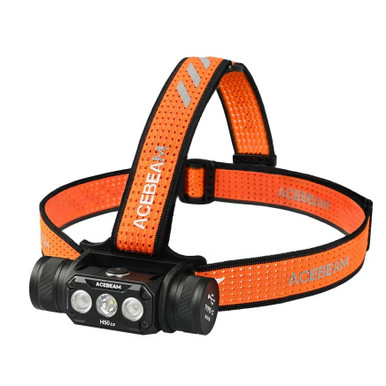
A 2000 lumen headlamp with spot and flood beams, rated IP68 and submersible to 2 metres, with a 141 metre beam and up to 30 hours on low.
Explore →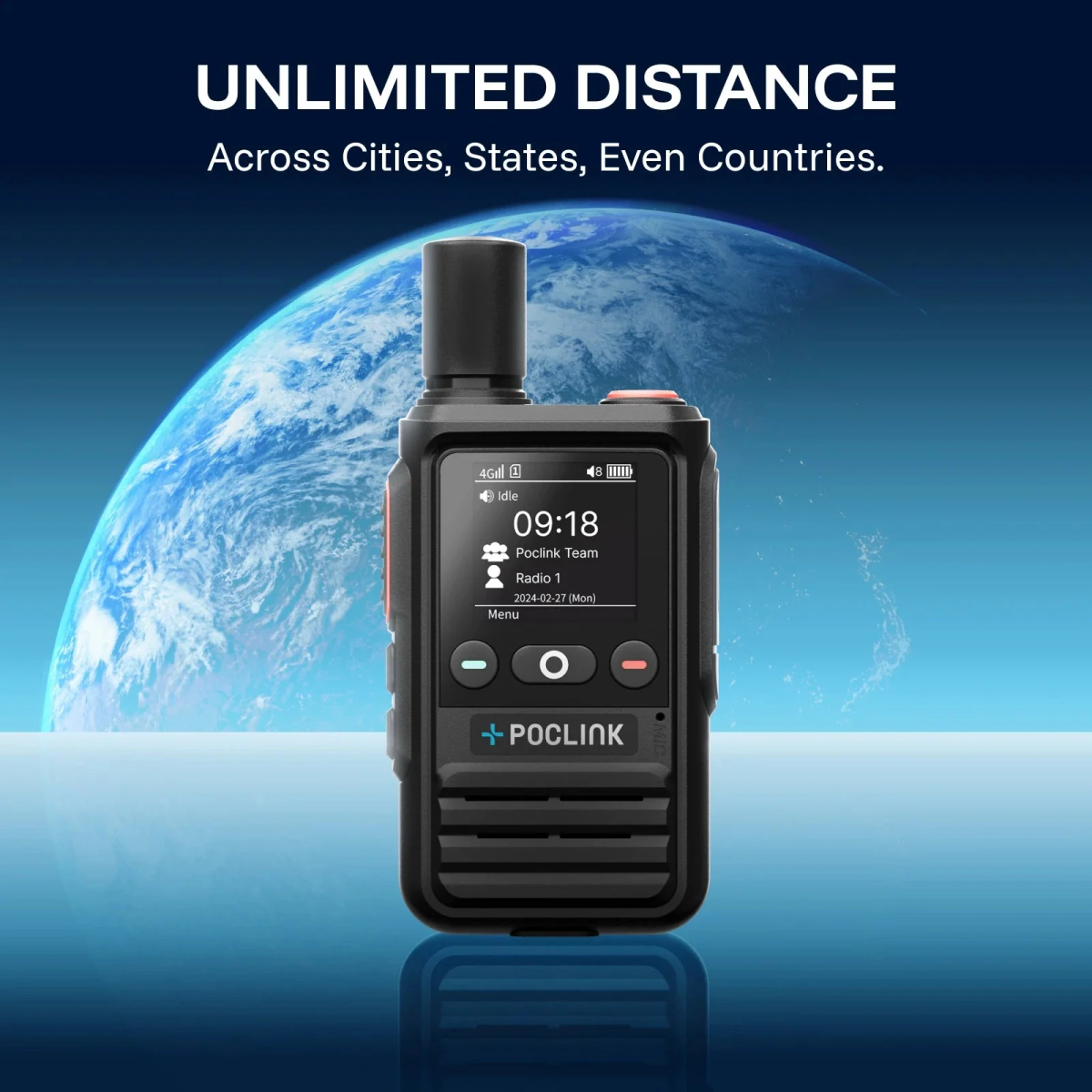
The entry-level Poclink push-to-talk radio: 4G mobile network only, three years of service included, sold as a two-pack for half the price of the Pro and Ultra.
Explore →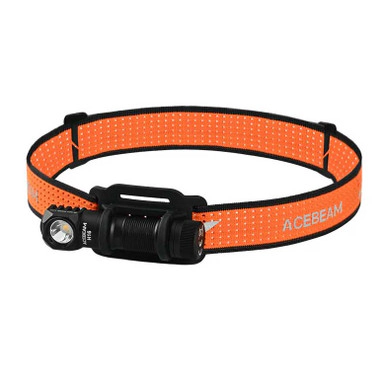
A lightweight headlamp that runs on one AA-size cell, giving up to 1000 lumens, a 105 metre beam and up to 58 hours of run time, rated IP68.
Explore →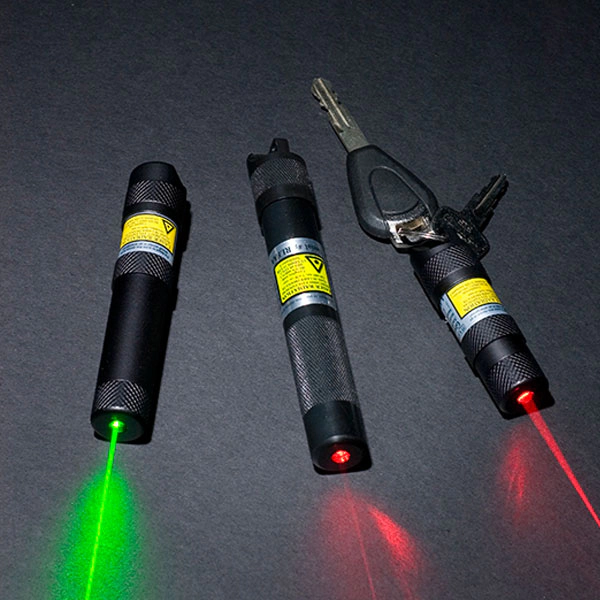
Hand-held, non-flammable laser signalling devices for day and night use, in red, green and Magnum versions, waterproof to 24 m and running for 5 to 72 hours on a battery.
Explore →