Loading this page…

Loading this page…
Sailing club
Williamstown Sailing Club is a community-focused, off‑the‑beach dinghy club on the Hobsons Bay foreshore in Williamstown, Victoria. The club combines active dinghy and trailer‑sailer racing, accessible learn‑to‑sail programs for juniors and adults, and a strong social calendar from its clubhouse overlooking the bay and Melbourne skyline. Facilities include twin concrete ramps, jetties, a rigging deck, limited storage and swing moorings, and the club hosts regular Saturday racing and novice programs during the sailing season.
About
Williamstown Sailing Club is a community-focused, off‑the‑beach dinghy club on the Hobsons Bay foreshore in Williamstown, Victoria. The club combines active dinghy and trailer‑sailer racing, accessible learn‑to‑sail programs for juniors and adults, and a strong social calendar from its clubhouse overlooking the bay and Melbourne skyline. Facilities include twin concrete ramps, jetties, a rigging deck, limited storage and swing moorings, and the club hosts regular Saturday racing and novice programs during the sailing season.
Service area: Hobsons Bay / north‑western Port Phillip
Keep exploring
Training is where Williamstown's claim to distinction lies, and the club is not shy about saying so. By its own account, it began running learn-to-sail programs in the 1970s — courses it describes as possibly the first organised sail training in Victoria, or at least among the earliest. When the Victorian Yachting Council began promoting formal sail training around 1990, Williamstown was among the earliest clubs to secure Yachting Victoria training-centre accreditation.
Today the club operates as a registered Discover Sailing Centre with Australian Sailing. Its dedicated training fleet numbers seven Pacers plus a boat named James Pearl, and it runs one adult and junior (12 and over) course each year, taught by qualified accredited instructors with an emphasis on one-on-one tuition. A Tackers program for children, introduced in 2015 and sailed in the club's nine Ozi Opti boats, anchors the junior end.
On Saturday mornings from October to May, the Tackers Fleet (ages 7 to 11) and the Green or Junior Fleet (ages 8 to 14, sailing their own Minnows, Mirrors, International Cadets, Optimists or Open Bics) take to the water between 9:30 and 11:30, free for members.
A commercial provider, Smooth Sailing School, also delivers Australian Sailing courses from the clubhouse, spanning junior, teen and adult levels. The club takes part in Discover Sailing days and, in September 2024, ran a Dinghy Assistant Instructor Course under the Australian Sailing umbrella.
The clubhouse stands at the corner of Stevedore Street and The Strand in Williamstown, hard against the foreshore. Racing and training unfold on Hobsons Bay, the protected north-western corner of Port Phillip, where boats launch straight off the beach — a setup that keeps the barriers to a quick afternoon sail pleasantly low.
The sailing season runs from October to May. Organised racing fills every Saturday from October through April, and a winter series extends the competition into May for those unwilling to pack the boat away. Members' fleets reflect the club's flexible character: off-the-beach dinghies and trailable yachts dominate, while some owners keep craft on moorings leased from Parks Victoria. Registered boats are capped at 5.5 metres (18 feet), which keeps the fleet firmly in trailer-sailer and dinghy territory.
Shoreside infrastructure includes boat ramps and jetties that serve both the sailing and fishing sides of the membership, with ramp access for anglers carefully managed. The clubhouse itself combines an upper deck with a function room used for club events and private hire. Rather than operating as a closed shop, Williamstown opens its race program to outside clubs and class associations, and its calendar has included National, State and local championship regattas.
The address also places the club in distinguished company. Along the same foreshore sit two of Victoria's most historic sailing institutions: Hobsons Bay Yacht Club, which dates to 1888, and the Royal Yacht Club of Victoria a short distance up Nelson Place. For visiting sailors, that concentration of clubs makes this stretch of the bay one of Melbourne's most active sailing precincts, with the city skyline as a constant backdrop.
Ask the club when it began and the answer is 1910 — a date the club celebrated with a centenary in 2010. Some third-party local histories, however, record the club as forming in 1914, so sources differ slightly on the founding year; the club's own date is used here. Either way, the club's roots lie in a Williamstown that lived by the water, and its early activities blended sailing with fishing in a way that mirrored the suburb's working port heritage.
The modern club took shape through several distinct chapters. Its learn-to-sail efforts of the 1970s grew, by the club's telling, into a training pedigree few Victorian clubs can match, and formal accreditation followed around 1990 when state-level sail training was being organised. The clubhouse itself tells a story of renewal: the club's history page recalls replacing the cramped, dilapidated rooms of the 1970s with a rebuild crowned by an upper deck extension giving unimpeded views over the bay.
By the time that history was written, membership had passed 300, family memberships included, with 107 yachts on the register alongside 80 fishing boats — numbers that capture the club's dual personality. On the racing side, the club hosted the Mirror class Veterans Championship during the 2011–12 season, a marker of its standing within that long-running dinghy class.
The most recent milestone in the club's own chronology is the introduction in 2015 of a Tackers program for primary-aged children, extending a teaching tradition that, on the club's account, stretches back half a century. Through it all, the blend of competition, instruction and waterfront sociability has kept Williamstown Sailing Club anchored to its foreshore home.
Twofold Bay is a deep natural bay on the far south coast of NSW, with the port of Eden on its northern shore. It gives shelter on one side or the other depending on the wind, and is the last stop before Bass Strait.

Pick a ramp that matches your boat size and trailer setup, has safe approach and exit conditions (depth, slope, surface), good onshore parking and flow, and follow simple ramp etiquette: queue, help others, rig off the trailer when clear, and secure your vessel quickly.
Explore →
Pick a stable, simple, forgiving dinghy with a single sail or basic sloop rig, affordable handling and easy maintenance—ideally one with a local class or school nearby so you can access coaching and spare parts.
Explore →
Look for a friendly club with beginner-focused training, accessible facilities and boats, a supportive community, clear safety practices, and opportunities to progress at your own pace.
Explore →
Write a one‑page plan with the who/what/when/where/how of your trip, keep a copy on board and leave the main copy with a responsible person ashore (and optionally with your club, marina office or local volunteer rescue service).
Explore →
A practical guide for new sailors on picking the right Australian sailing club: training, boat access, racing, social fit, costs and the key questions to ask before joining.
Explore →
A practical, Australia‑focused introduction to sailing: key terms, common boat types, basic manoeuvres, where to learn, licence and club options, and planning your first trips with safety and local conditions in mind.
Explore →A practical guide for recreational sailors planning passages to, from or around Eden and Twofold Bay. Covers sheltered anchorages, shore facilities, local weather and tidal considerations, preparing for Bass Strait conditions and a focused equipment and safety checklist.
Explore →
Practical guidance for recreational sailors in Australia on assessing swell, tide and wind, choosing the safest time to cross a coastal bar, preparing crew and gear, and making the decision to go or turn back.
Explore →
Metal-bodied 4G push-to-talk radio with GPS and SOS in the GPS variant and a lifetime SIM plan included. Sold as a two-pack.
Explore →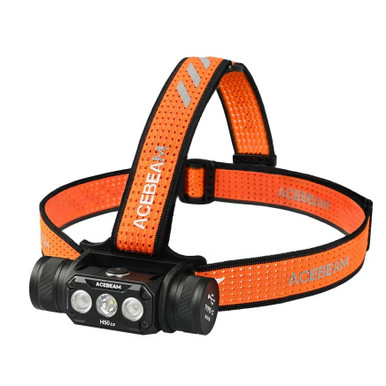
A 2000 lumen headlamp with spot and flood beams, rated IP68 and submersible to 2 metres, with a 141 metre beam and up to 30 hours on low.
Explore →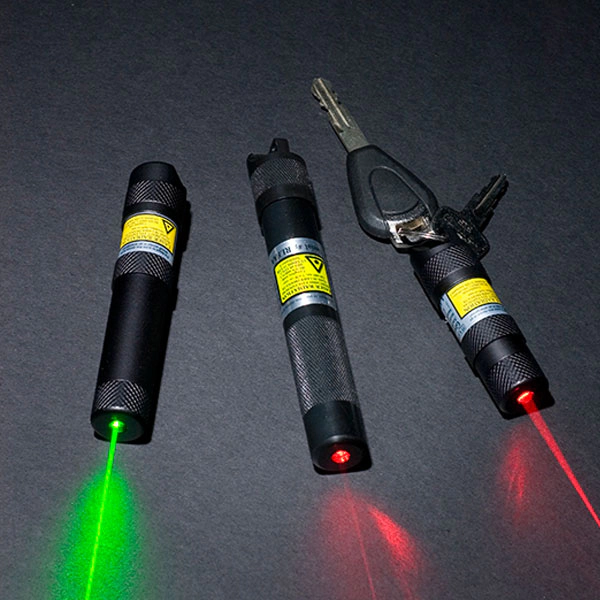
Hand-held, non-flammable laser signalling devices for day and night use, in red, green and Magnum versions, waterproof to 24 m and running for 5 to 72 hours on a battery.
Explore →
Push-to-talk radio that uses 4G mobile networks where there is coverage and a built-in 16-channel analog radio where there is none, with GPS and SOS. Sold as a two-pack.
Explore →