
Marine safety · In conversation
After the beacon goes off: An interview with Sadlers Maritime Services
What does a crew need while waiting for rescue? Terence Sadler explains how years of search and rescue shaped the survival kit he designed with his brother Guy.
Terence Sadler
“Understanding your equipment, knowing what to do in an emergency and taking a little extra time to prepare can make an enormous difference.”
What's the story behind Sadlers Maritime Services? How did the business start, and what led you into supplying marine equipment and developing your own survival products?
Sadlers Maritime Services was founded by my brother Guy and myself. We both come from nautical and military backgrounds and have always had a strong passion for the marine industry.
We started the business with a simple goal: to supply good-quality, reliable marine equipment from reputable manufacturers, rather than just selling cheap products that may not stand up to the conditions they're designed for.
We're also passionate about working with established manufacturers and supporting new and emerging products that bring innovation to the marine industry, particularly those that improve safety, reliability and the overall boating experience.
For us, it's not just about selling marine equipment. It's about making sure our customers have access to products they can trust when they're out on the water.
Your website mentions that you and your brother Guy have extensive experience across emergency services, including the Rural Fire Service, Fire and Rescue, the Volunteer Rescue Association, search dogs and military search and rescue. How has that background shaped the way you approach safety equipment?
Between Guy and myself, we've had experience across a wide range of emergency services, including the NSW Rural Fire Service, Fire and Rescue, the Volunteer Rescue Association (VRA), search and rescue dogs, and military search and rescue.
Having been involved in emergency situations, we've seen firsthand how quickly things can go wrong and how important it is to have the right equipment when you need it most.
That experience has shaped the way we approach safety equipment at Sadlers Maritime Services. We look beyond the marketing and focus on practicality, reliability and whether a product will actually do the job when someone's safety depends on it.
For us, safety equipment isn't something you should compromise on. When an emergency happens, you want to know you can rely on what you've got.
You've developed the Survival and Rescue Kit 24, or SRK24, based on your experiences in emergency situations. What inspired the idea, and was there a particular rescue or incident that made you realise something like this was needed?
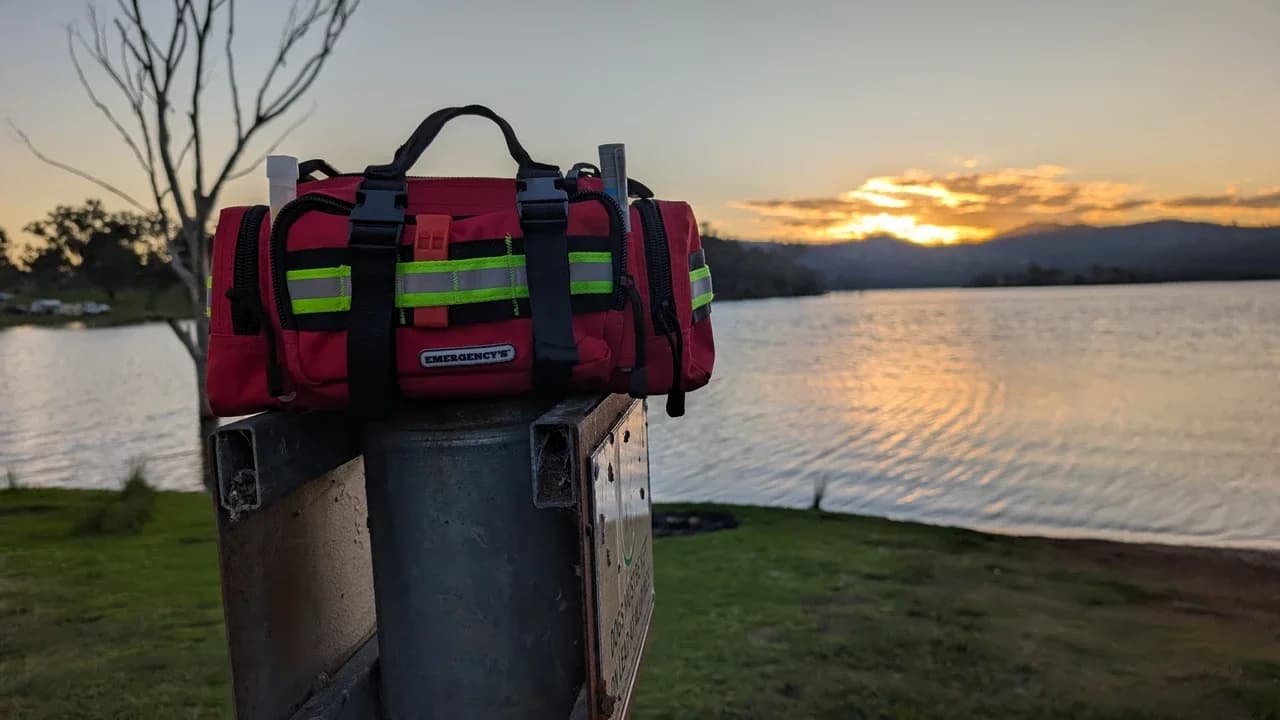
The SRK24 came about through a combination of my experience as a Scout Leader, teaching survival skills and building survival kits with Scouts, along with my involvement in search and rescue. After discussing my experiences with my brother Guy and reflecting on his own emergency services background, we came up with the idea of developing a lightweight, practical survival kit.
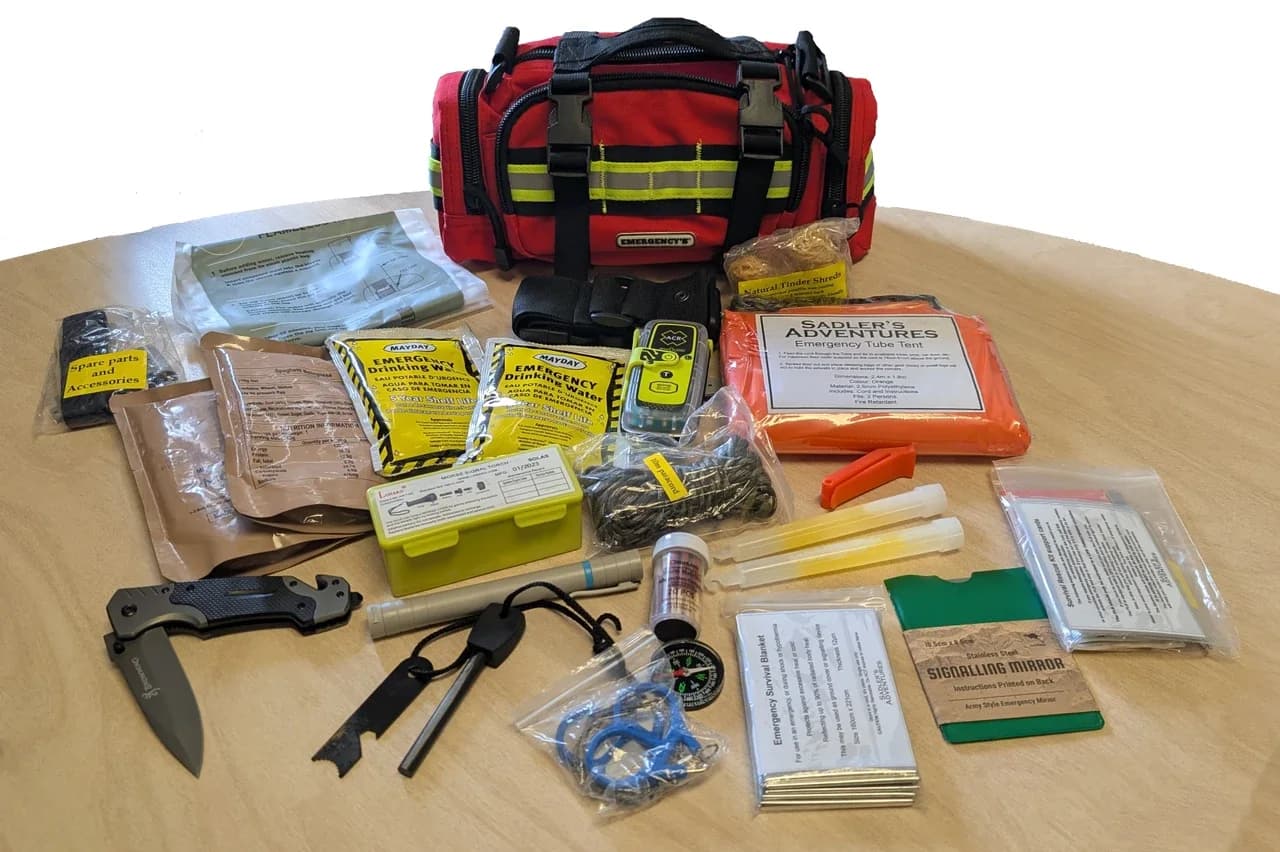
The kit is designed around the Personal Locator Beacon (PLB). If someone gets into trouble and activates their beacon, we wanted them to have the essentials to remain safe and comfortable while waiting for rescuers, including shelter, food, emergency drinking water and the ability to make fire.
One thing we've seen repeatedly in search and rescue is people continuing to move after getting into trouble. Often, rescuers locate the original area where something went wrong, finding clothing or other evidence, only to discover the person has moved on. This makes locating them much more difficult.
Our philosophy is simple: unless you're in immediate danger, stay where you are after activating your PLB. The SRK24 is designed to give you the resources to do exactly that while awaiting rescue.
We're continually reviewing and improving the kit, taking on feedback and exploring new equipment to make it even more effective.
The SRK24 combines a personal locator beacon, emergency shelter, water filtration, food, signalling equipment and survival tools in a relatively compact package. How did you decide what belonged in the kit, and what did you deliberately leave out?
The name SRK24 stands for Survival and Rescue Kit 24, with the 24 representing the first 24 hours of survival. The idea was to develop a lightweight, compact kit containing the essentials someone would need to survive for at least 24 hours while waiting for rescue.
With a properly activated PLB and a successful distress signal, there's a good chance rescuers can locate you within that timeframe, although remote locations, particularly isolated islands or areas far offshore, can make rescue operations take considerably longer.
Every item in the kit has been carefully considered, from the amount of food and emergency drinking water to the size and weight of the equipment. We could have easily included larger fire starters, compasses or tools, but our focus was on finding the best balance between quality, reliability, weight and practicality.
We deliberately avoided making the bag unnecessarily large or filling it with equipment that didn't serve a practical survival purpose. The SRK24 is also designed to be flexible, allowing people to add their own equipment or adjust the contents to suit their particular needs and environment.
Ultimately, we wanted a kit that was small enough for people to actually carry, but capable enough to make a real difference when things go wrong.
One interesting promise you make is that if someone uses the SRK24 during a genuine emergency and is rescued, you'll refurbish the kit, including the PLB, subject to your rescue verification requirements. What's the thinking behind that commitment?
For Guy and myself, the SRK24 has always been about saving lives, not just selling a product.
We never want someone to hesitate to activate their PLB or use their survival equipment because they're worried about the cost of replacing it afterwards. If you're in a genuine emergency, we want you to use absolutely everything you need to stay alive and get home safely.
That's why we've made the commitment to refurbish the SRK24, including the PLB, following a genuine rescue verified by the relevant authorities. The kit simply needs to be returned to us along with confirmation of the rescue.
We're also extremely fortunate to have the support of our PLB supplier and manufacturer, who share our commitment to safety and have agreed to refurbish the PLB free of charge following a qualifying rescue.
At the end of the day, if one of our kits has helped someone survive an emergency and return home to their family, then it's done exactly what we designed it to do. We'd much rather see that kit used and returned to us than have someone afraid to use it when their life depends on it.
Personal locator beacons and EPIRBs are becoming increasingly accessible, but many recreational boat owners still don't fully understand the differences. When should someone carry a PLB, when is an EPIRB essential, and why might carrying both make sense?
The biggest difference between an EPIRB and a PLB is that an EPIRB is designed primarily for the vessel, whereas a PLB is designed for the individual.
An EPIRB is generally larger, floats in the correct operating position and is designed to transmit for at least 48 hours. A PLB is much smaller, lightweight and easy to carry on your person, with a minimum operating time of 24 hours. Both use satellite technology to alert search and rescue authorities when activated.
In NSW, an EPIRB is mandatory when travelling two nautical miles or more offshore, and requirements can differ between states and territories. A PLB is an excellent additional safety measure, but it doesn't necessarily replace your legal requirement to carry an EPIRB.
One thing people often overlook is what happens when you're no longer with your vessel. Many boat owners enjoy exploring remote, uninhabited islands or heading ashore into isolated areas. But what happens if you get injured, stranded or can't return to your vessel? Your EPIRB might be sitting safely on board, but if you can't reach the boat, how are you going to call for help?
That's where a PLB really comes into its own. It's small enough to carry on your person, whether you're exploring an island, hiking along a remote coastline or travelling away from your vessel.
Personally, I believe carrying both makes sense. An EPIRB provides emergency protection for the vessel and those aboard, while a PLB gives you an additional means of calling for help when you're separated from the boat.
At the end of the day, the best emergency equipment is the equipment you actually have with you when you need it.
You've experienced search and rescue from the responder's perspective. What are the most common mistakes people make when they find themselves in trouble, and what could they have done differently before leaving home or heading offshore?
One of the biggest mistakes we've seen in search and rescue is people underestimating how quickly a situation can turn into an emergency. Whether you're heading offshore, exploring remote areas or simply going out for the day, things can go wrong when you least expect them.
Another common mistake is failing to tell someone where they're going, what route they're taking and when they expect to return. Something as simple as leaving a trip plan with a family member or friend can make a massive difference when rescuers need to start looking for you.
We live in a world of technology now, and I completely understand that most boaters, myself included, want to switch off and enjoy a day on the water, whether that's sailing, fishing or simply exploring. But modern technology can make a huge difference in an emergency. Sharing your location, using a GPS tracking device or recording your route on your chartplotter can provide valuable information if something goes wrong.
From a search and rescue perspective, knowing your intended route and, even better, having access to your actual tracking information allows rescuers to narrow down a search area. We can look at your last known position, prevailing currents, weather conditions and surrounding terrain to help determine where you may have ended up.
Another issue we regularly encounter is people continuing to move after becoming lost or activating a distress beacon. Unless you're in immediate danger, staying in a safe location can significantly improve your chances of being found.
My biggest advice is to plan for what could go wrong, not just what you expect to happen. Check the weather, inspect your vessel and safety equipment, carry reliable communications and make sure someone knows your plans. A little preparation before leaving home can save rescuers valuable time and potentially save your life.
Let's imagine someone is preparing a 40 to 50-foot cruising yacht for a voyage along the Australian coast. Beyond the mandatory safety equipment, what would you personally recommend carrying, particularly for situations where the crew might have to abandon the vessel?
When preparing a 40 to 50-foot cruising yacht, I think one of the most important things is considering what happens if you actually have to abandon the vessel.
Life raft requirements vary depending on where you're operating and the type of vessel, but regardless of whether one is legally required, I'd strongly recommend having one on board, particularly for extended coastal passages.
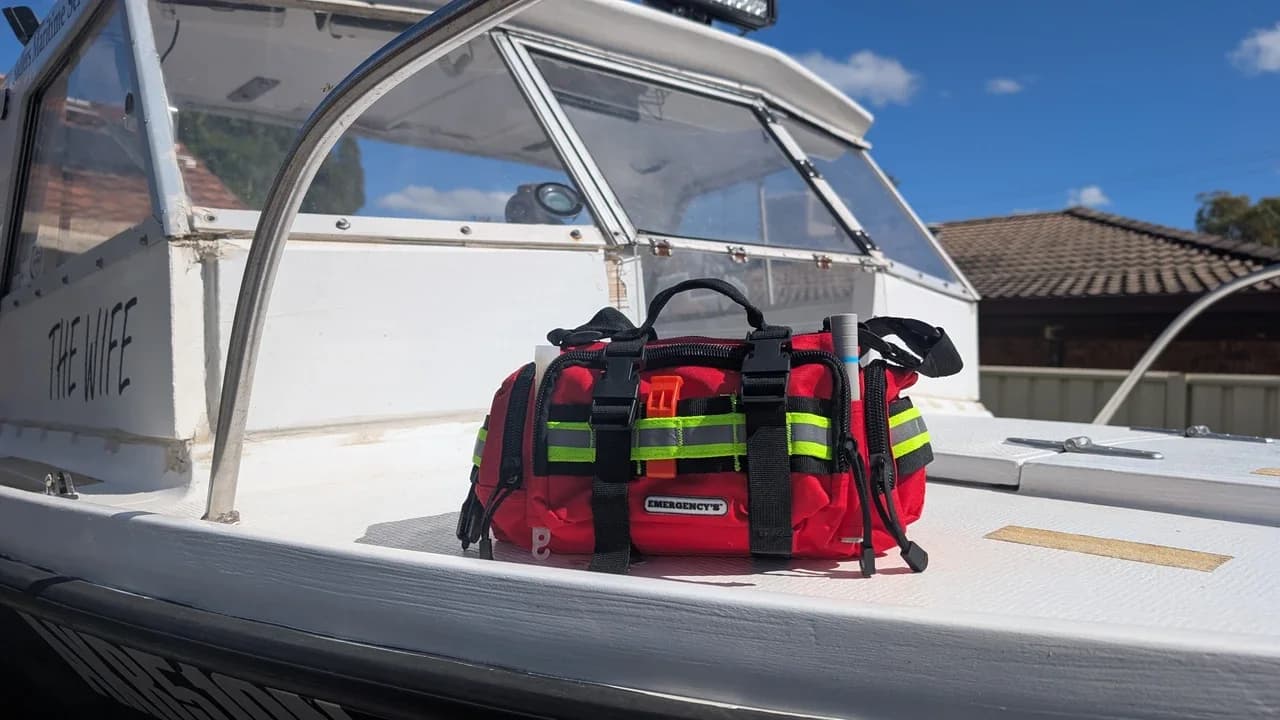
My biggest recommendation would be a dedicated emergency grab bag that's waterproof, easily accessible and ready to go at a moment's notice. It should contain essential survival equipment such as emergency drinking water, food, first aid supplies, signalling equipment, a waterproof handheld VHF radio and other items to help keep the crew safe while awaiting rescue.
I'd also recommend every crew member carries their own PLB, ideally attached to their lifejacket. If someone becomes separated from the vessel or the rest of the crew, they still have a way of calling for help.
Something I personally carry is a crew information log that can be placed straight into the grab bag. It includes how many people are on board, their names and relevant information about each crew member. It doesn't need constant updating, just whenever crew details change.
I also recommend leaving a copy of this log with a trusted contact ashore, along with your intended route and expected return time.
This information can be incredibly valuable to rescuers, particularly if the crew is injured or unresponsive. It allows rescue teams to establish how many people should be accounted for and whether they need to continue searching for anyone who may still be missing.
Another important consideration is making sure your EPIRB can be taken into the life raft if it's safe to do so. Everyone should also know where the emergency equipment is located and how to use it.
Ultimately, when you're abandoning a vessel, you may only have minutes to react. The last thing you want is to be searching through lockers for equipment that should have been ready to go.
Emergency equipment is often purchased, packed away and forgotten about until something goes wrong. How often should sailors inspect their survival equipment, and what items are most likely to fail, expire or become unusable if neglected?
One of the biggest mistakes people make is purchasing safety equipment, putting it away and assuming it'll be ready when they need it. Unfortunately, that's not always the case.
Personally, I'd recommend a basic inspection of your safety equipment before every trip, particularly if the vessel hasn't been used for some time, along with a more thorough inspection at least every six months.
Some of the most common things to watch for are expired flares, deteriorating batteries, out-of-date first aid supplies, damaged lifejackets and equipment affected by moisture or corrosion. PLBs and EPIRBs should also be checked for battery expiry dates, physical damage and correct registration, following the manufacturer's inspection and self-test instructions.
Inflatable lifejackets and life rafts are particularly important because they require servicing and inspection in accordance with the manufacturer's requirements and applicable regulations.
Something I always encourage is keeping a simple maintenance log. Record your inspection dates, expiry dates and any equipment you've replaced. It doesn't need to be complicated, but it makes keeping track of everything much easier.
At the end of the day, safety equipment is only useful if it actually works when you need it. A few minutes checking your gear before heading out could make all the difference in an emergency.
Your kit is designed to handle extreme environments, from heat and cold to rainforest conditions and even immersion in water. What goes into testing survival equipment, and how do you decide whether a product is reliable enough to include?
When developing the SRK24, we tested a wide range of products before deciding what would actually make it into the bag. Our biggest priorities have always been reliability, practicality and making sure the equipment works when you need it most.
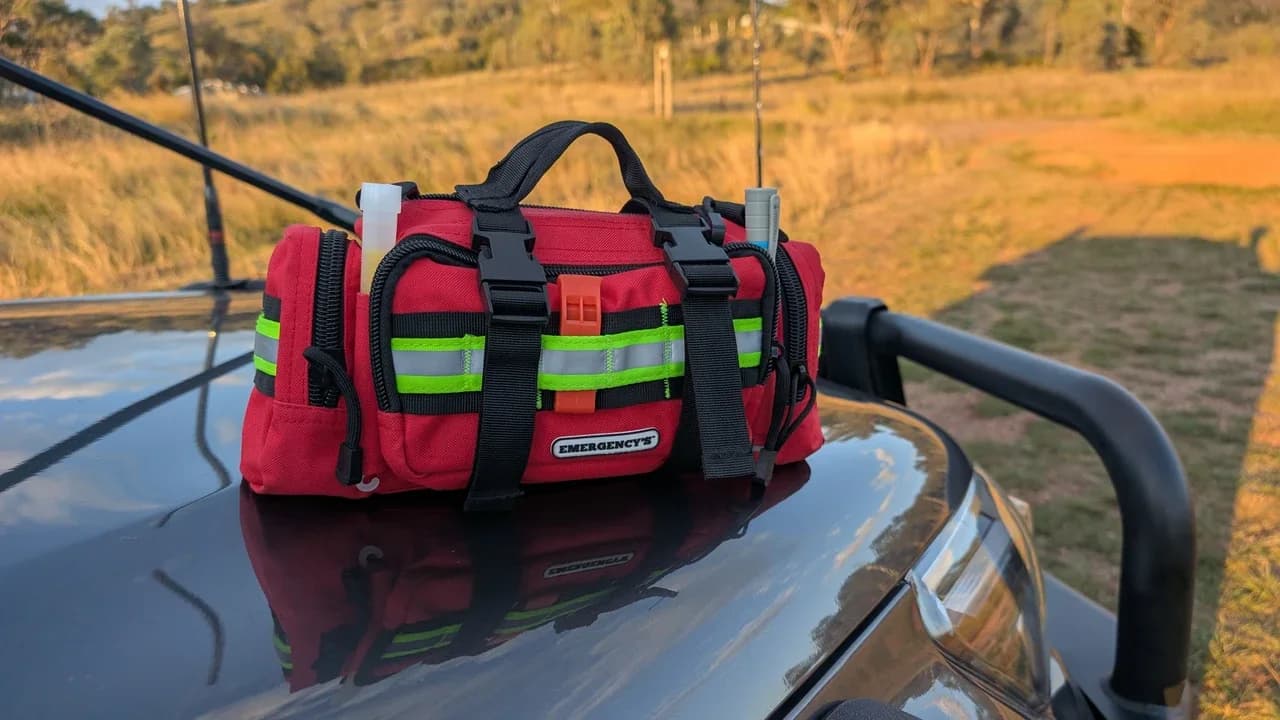
We've put equipment through some fairly harsh real-world testing, including prolonged submersion in swimming pools, exposure to extreme heat inside vehicles and repeated use in different environments. We even have an SRK24 that's constantly thrown around in the back of a ute, exposed to rain, dust, heat and rough conditions. It's still holding strong and protecting the equipment inside.
We specifically look for products that are either fully waterproof and submersible, like our PLB, or can continue functioning even when wet. For example, we include stormproof waterproof matches, but also carry flint and steel as a backup. Having that redundancy is important because even reliable equipment can fail.
Our food and emergency drinking water are securely sealed, and we continually inspect and test the other items for reliability.
One interesting thing we've discovered through recent testing involves the water-activated heating packs supplied with our ready-to-eat meals. If the bag remains submerged for an extended period, water can potentially activate these packs. While this hasn't caused damage to the other equipment in our testing, it's something we're open about with our customers.
The heating packs are really there for comfort rather than survival. The meals are already fully cooked and can be eaten cold, heated in hot water or warmed in the sun without needing the heating packs.
For us, testing isn't something that stops once a product goes into the bag. We're continually reviewing equipment, learning from our testing and making improvements wherever we can.
Sadlers Maritime Services also stocks a broad range of boating equipment, including anchoring gear, marine hardware, electrical components, navigation equipment and safety products. How do you choose which manufacturers and products to carry, and what separates good marine equipment from something that simply looks impressive in a catalogue?
At Sadlers Maritime Services, we take pride in the manufacturers and suppliers we work with. Our goal has always been to provide customers with quality marine equipment that's reliable, practical and built to withstand the demanding conditions of the marine environment.
We look at several things when selecting products, including the manufacturer's reputation, product quality, reliability, materials used and whether the equipment is genuinely suitable for its intended purpose.
We're also very interested in working with smaller manufacturers and emerging brands that are bringing innovative products into the industry. Just because a company isn't a household name doesn't mean it isn't producing excellent equipment.
Over the years, we've actually removed products from our range because they haven't met our expectations. Sometimes that's been due to issues with the products themselves, and other times it's been concerns with the manufacturer or their ability to provide the quality and support we expect. We're not afraid to stop supplying a product if we don't believe it's right for our customers.
One thing we've always believed is that something can look fantastic in a catalogue but perform very differently once it's exposed to saltwater, vibration, UV and constant use.
We also work closely with our suppliers and manufacturers to help customers source specialised equipment, even if it's something we don't currently have listed on our website.
At the end of the day, we'd rather supply equipment we can confidently stand behind than sell something simply because it looks good or has an attractive price tag.
Water is one of the biggest survival challenges, particularly when someone is stranded or separated from their vessel. Your kits include emergency drinking water and a filtration straw. What should people understand about managing drinking water in an emergency, especially in a marine environment where seawater isn't suitable for ordinary filtration?
Water is one of the most important things to consider in any survival situation, particularly in Australia, where heat and dehydration can become serious problems very quickly.
The SRK24 is designed to support one to two people during an initial 24-hour survival situation on land, particularly where freshwater sources may be available.
We've included a small supply of sealed emergency drinking water, along with a filtration straw designed for use with freshwater sources such as rivers, streams and lakes. According to the manufacturer, the straw achieves a 99.999% removal rate for bacteria, heavy metals and blue-green algae. We've also specifically discussed its effectiveness against blue-green algae directly with the manufacturer.
One thing people really need to understand is that a standard filtration straw cannot turn seawater into drinking water. If you're stranded in the middle of the ocean, having water all around you doesn't mean you have access to water you can safely drink.
That's why we strongly encourage boat owners, particularly those heading offshore, to carry additional emergency drinking water and appropriate equipment in case they need to abandon their vessel. This could include a purpose-built solar still or emergency desalination equipment capable of producing freshwater from seawater.
Managing your water is equally important. Finding shade, reducing unnecessary physical activity and avoiding excessive heat exposure can help conserve your body's water while waiting for rescue.
The SRK24 is designed to provide essential survival equipment, but it's not intended to replace proper offshore emergency preparations. Understanding your environment and carrying the right additional equipment can make all the difference.
There's a big difference between owning safety equipment and knowing how to use it under pressure. How important is practical training, and what basic survival and emergency skills do you think every recreational sailor should learn?
I think practical training is just as important as having the right safety equipment. You can have the best equipment money can buy, but if you don't know how to use it when something goes wrong, it's not going to be much help.
One thing I've learnt through emergency services, the military and my involvement with Scouts NSW is that practising basic skills builds confidence. When you're faced with a real emergency, particularly when panic sets in, having that knowledge and experience can make a massive difference.
Every recreational sailor should understand basic first aid, CPR, how to use their VHF radio to make a distress call, how to activate their EPIRB or PLB, and how to respond to situations such as a person overboard, fire or flooding.
I'd also encourage people to learn basic survival skills, including how to create shelter, manage drinking water, signal for help and protect themselves from the elements.
This is also why Sadlers Maritime Services has partnered with Above and Beyond Boating, who offer a range of training courses covering VHF marine radio, navigation and seamanship, safety at sea and complete skipper training. We believe education and practical experience go hand in hand with having reliable safety equipment.
Something as simple as getting your crew together and practising an emergency drill can be incredibly valuable. Everyone on board should know where the safety equipment is located and what to do if the skipper is injured or unable to take control.
At the end of the day, it's not about becoming a survival expert. It's about having enough knowledge and confidence to make the right decisions when things don't go to plan.
Marine safety technology continues to improve, particularly with GPS-enabled distress beacons, satellite communications, AIS man-overboard devices and electronic monitoring. Which developments do you think are genuinely making boating safer, and where do you think the industry still has room to improve?
I think some of the biggest improvements in marine safety have come from GPS technology, satellite communications and the development of smaller, more affordable emergency equipment.
Modern PLBs and EPIRBs can provide rescuers with accurate location information, which can dramatically reduce search times. AIS man-overboard devices are another fantastic development, particularly for sailing crews, allowing nearby equipped vessels to identify the position of someone who's fallen overboard.
One technology that's really changing the way people cruise is Starlink. Having access to high-speed internet while offshore allows sailors to check updated weather forecasts, monitor developing weather systems and access important information about destinations they're planning to visit.
It's not just about weather either. Being able to communicate with other sailing vessels, share experiences and get up-to-date local knowledge about anchorages, conditions and potential hazards can make a massive difference. Information from someone who's already at your next destination can sometimes be just as valuable as the forecast itself.
Where I think the industry still has room to improve is making technology more affordable, easier to use and better integrated. We have some incredible equipment available, but not everyone can afford it, and sometimes the systems are unnecessarily complicated.
I'd also like to see more emphasis on education. Technology is fantastic, but it should never replace basic seamanship, preparation and knowing what to do in an emergency. Internet services like Starlink are excellent tools, but they shouldn't replace dedicated emergency communications.
At Sadlers Maritime Services, we're always interested in new technology and emerging manufacturers that can genuinely improve safety on the water, not just add another expensive gadget to a boat.
Finally, what's on the horizon for Sadlers Maritime Services and the SRK24? Are there new products or developments you're working on? And is there anything we haven't asked that you'd want Australian boat owners to understand about emergency preparedness and survival at sea?
For Sadlers Maritime Services, our focus is continuing to grow the business, expand our product range and build relationships with quality manufacturers and suppliers, both here in Australia and internationally.
We're also working on some exciting ideas for our survival equipment. One concept we're exploring is a smaller, more lightweight version of the SRK24, designed around a 12-hour survival period. We're also looking at ways to expand our survival equipment for more remote and offshore environments, along with educational resources such as practical survival handbooks.
Another project we're particularly passionate about is making boating more accessible for people with disabilities. We're currently exploring the development of equipment that could attach to a boat trailer and assist people with disabilities when boarding and disembarking from their vessels.
We believe everyone should have the opportunity to enjoy our waterways, whether that's a day out fishing, exploring the coastline or spending a weekend on the water. Our aim is to help bridge the gap between people with disabilities and recreational boating, while ensuring safety remains a priority for everyone involved.
We're always looking for ways to innovate, whether that's through new survival products, improved marine equipment or solutions that make boating more accessible.
If there's one thing I'd like Australian boat owners to take away from this interview, it's that preparation doesn't need to be complicated or expensive. Understanding your equipment, knowing what to do in an emergency and taking a little extra time to prepare can make an enormous difference.
At the end of the day, boating is about getting out there, exploring and enjoying everything our waterways have to offer. We just want to help make sure everyone has that opportunity and gets home safely to their families.