Safety gear is the one upgrade you hope never to use. That is exactly why so much of it is out of date, buried in a locker or bought to tick a box. Gear only counts if it works, the crew can reach it in the dark, and they know how to use it.
Start with the rules, then go past them
- Each Australian state and territory sets its own minimum safety equipment for recreational boats. What you must carry depends on the type of water: enclosed, coastal or offshore.
- Check the current list from the maritime authority in the state where you sail. Check again when you cross a border, because the lists differ.
- If you race, your category under the Australian Sailing Special Regulations sets a higher standard.
- Treat the legal list as the floor. It is written for the average boat on an average day.
Stay on the boat
Most of the worst outcomes start with someone going over the side. Staying aboard beats every recovery plan.
- Inflatable lifejackets with a built in harness, crotch straps, a light and a spray hood, one fitted to each person.
- Service inflatable lifejackets on the schedule the maker sets. Check the cylinder and the firing mechanism yourself between services.
- Tethers with a clip at each end and a short and a long leg.
- Jackstays that let you clip on before leaving the cockpit and stay clipped all the way to the bow.
- Strong clip in points in the cockpit, within reach of the companionway.
- A rule on board for when you clip on. At night, alone on deck and when reefed are the usual ones.
Call for help
- A 406 MHz EPIRB registered with the Australian Maritime Safety Authority. Registration is free and has to be kept current. A model with GPS gives rescuers your position much faster.
- Personal locator beacons or AIS man overboard beacons on lifejackets for anyone on deck alone.
- A fixed VHF radio with DSC, connected to GPS and with an MMSI number programmed in. The red distress button then sends who and where you are.
- A handheld VHF, waterproof and charged, for the liferaft or the dinghy.
- Offshore and out of VHF range, a satellite messenger or satellite phone.
- You need the right operator certificate to use a marine VHF radio.
Man overboard
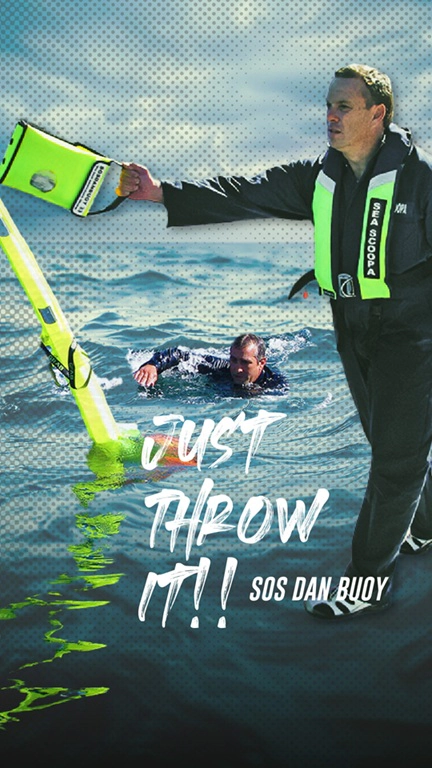
- A way to mark the spot at once: a danbuoy or throwable marker, plus the MOB button on the plotter.
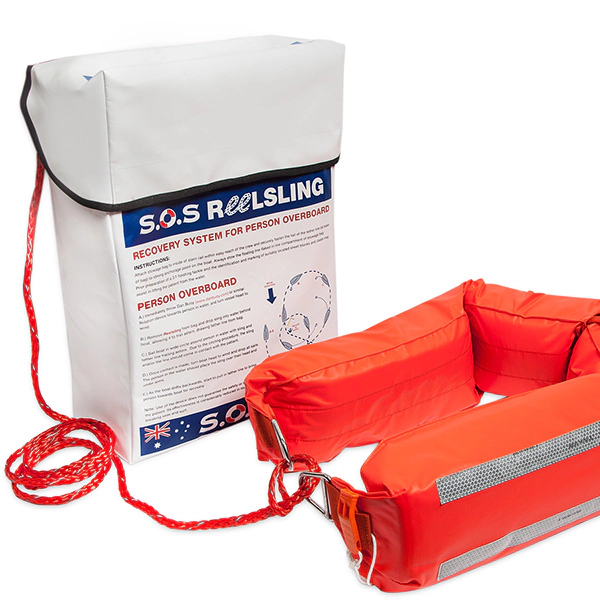
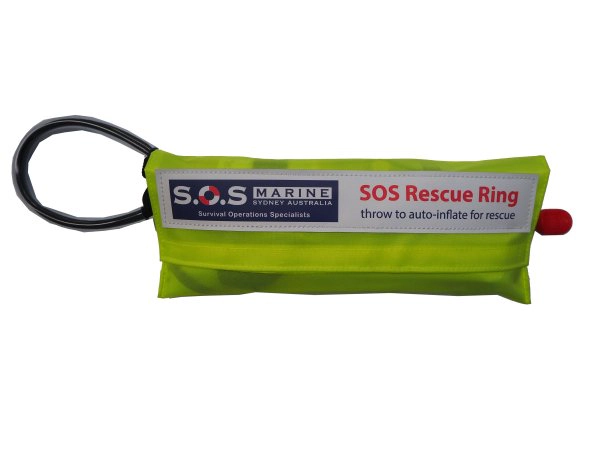
- A way to get a line to the person: a throw bag or a rescue sling.
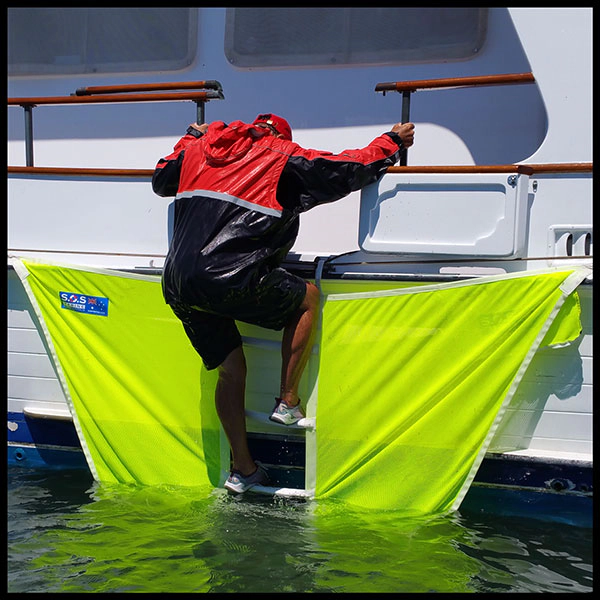
- A way to get them back aboard. This is the part most boats have not solved. A tired adult in wet clothes cannot climb a ladder. Rig and test a lifting tackle or a recovery sling.
- Practise with the crew you really sail with, including the lightest person getting the heaviest one aboard.
Fire
- Extinguishers of the right type, in date, mounted near the galley, the engine space and each cabin exit.
- A fire blanket within reach of the stove, not behind it.
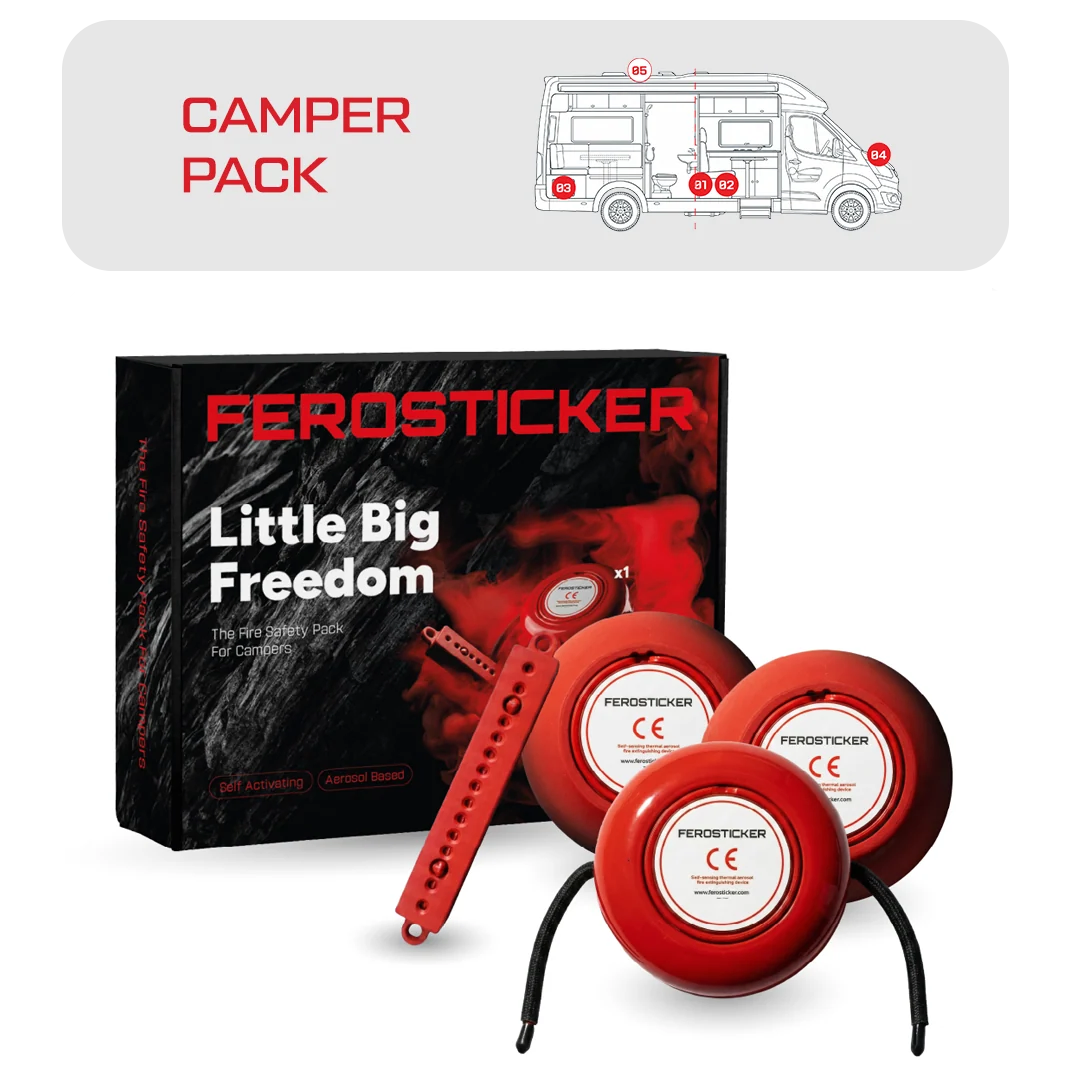
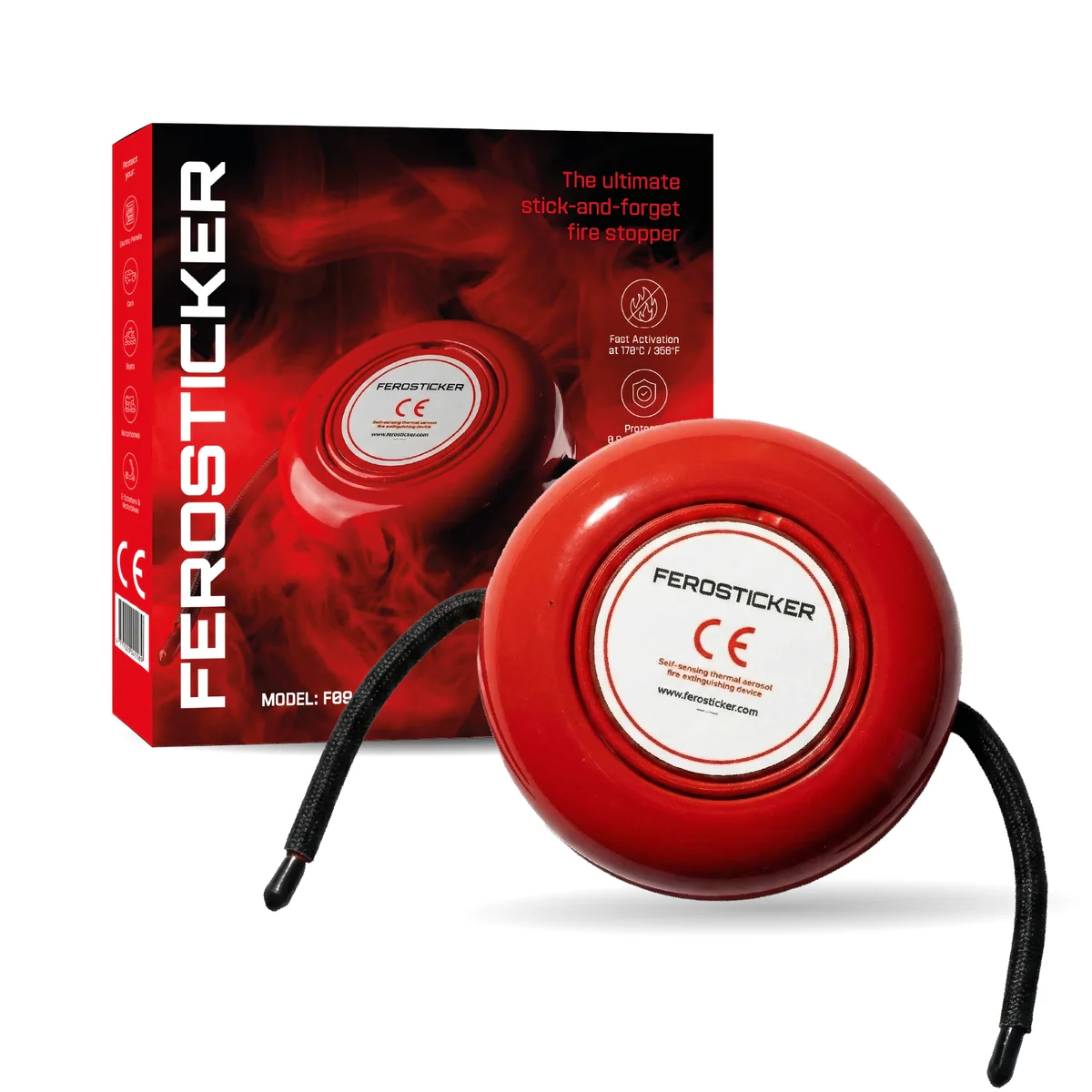
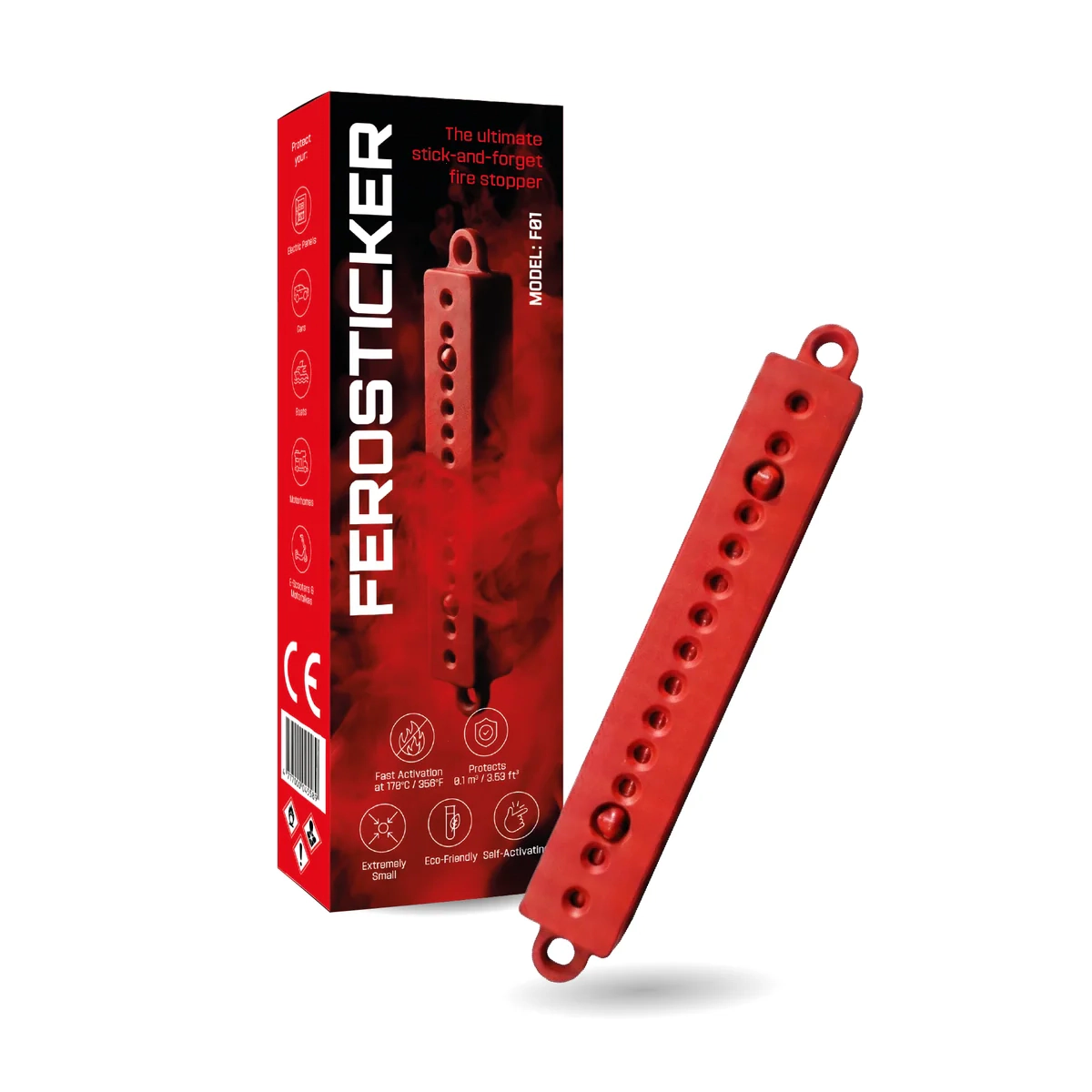
- An automatic or remote extinguisher for the engine space, so you never open the hatch onto a fire.
- A gas detector and a gas shut off solenoid if you cook with LPG.
- Smoke alarms in the cabins, and a carbon monoxide alarm if you have a heater, a generator or sleep with an engine running.
Flooding
- A manual bilge pump you can work from the cockpit with the hatches shut, and an electric pump with a high water alarm.
- Soft wood plugs tied beside every through hull.
- A written plan for where every seacock is. Crew cannot shut a valve they cannot find.
Abandoning ship
- A liferaft sized for the crew and built for the waters you sail, serviced on schedule, stowed where two people can launch it.
- A grab bag with water, the handheld VHF, a PLB, flares or an electronic distress light, a first aid kit, medication and spare glasses.
- Step up into the raft. Leave the boat only when it is certain the boat will not stay afloat.
Keep it working
- Put expiry dates in one list: flares, EPIRB battery, liferaft service, lifejacket service, extinguishers, first aid kit.
- Give every new crew member a five minute walk through before leaving the dock: lifejackets, radio, EPIRB, fire, seacocks, liferaft.
- Do a course. A sea safety and survival course teaches more in two days than the gear manuals ever will.
Calling for help
Flares and electronic distress lights
Pyrotechnic flares expire, usually three years after manufacture, and expired ones must be disposed of through an approved collection point, never the bin. Some states now accept an approved electronic visual distress signal in place of some flares for certain waters. Check your state's current rule before relying on one, and carry more than the minimum of whatever you choose.
First aid
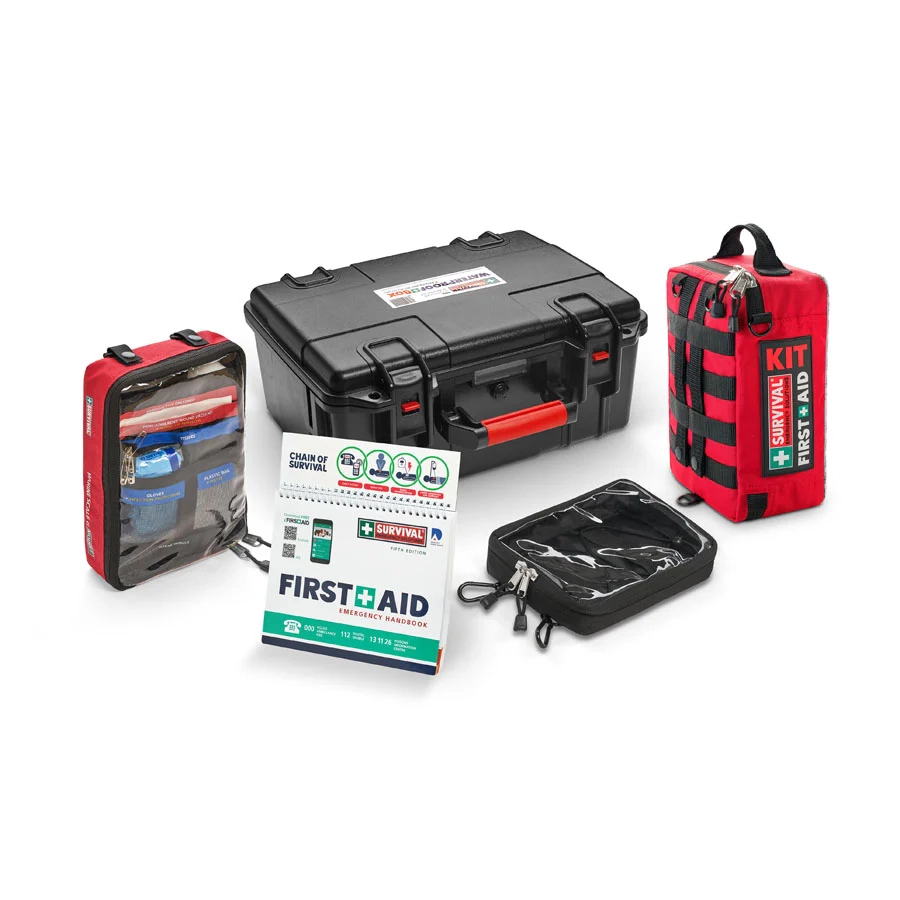
Carry a kit built for boats, in a waterproof case, sized for how far you go from help. Offshore, add prescription items after talking to a doctor who understands remote travel. A kit nobody is trained to use is half a kit: do a first aid course and refresh it.
Calculators
Calculator
Safety gear service date
Work out when an item is next due from the date on its label or certificate.
- Enter a date
Calculator
Flooding rate
How fast water comes in through a failed hose or skin fitting, against what your pumps can shift.
- 140 L/min
- 8.4 tonnes
- Cannot keep up. Plug the hole
Calculator
How far away you can be seen
The distance at which someone looking for you can see you over the curve of the sea.
- 5.3 nm
- 5.1 nm
Match the gear to where you sail
| Sheltered and enclosed waters | Coastal, within reach of rescue | Offshore | |
|---|---|---|---|
| Lifejackets | One each, worn when required | Inflatable with harness, light and crotch straps | Same, plus spray hood and personal beacon |
| Distress alerting | Phone in a dry pouch, VHF handheld | Fixed DSC VHF, EPIRB, flares | EPIRB, PLBs, satellite phone or messenger |
| Man overboard | Throw line, boarding ladder | Danbuoy, rescue sling, lifting tackle | Same, plus AIS beacons on lifejackets |
| Abandon ship | Dinghy | Liferaft recommended | Liferaft, serviced, and a grab bag |
| Fire | Extinguisher, fire blanket | Add engine space system, gas alarm | Same, with spares |
| Flooding | Bilge pump, bucket | Manual and electric pumps, plugs | Add high capacity pump and alarm |
This is a guide to good practice. Your state's list and, if you race, the Australian Sailing Special Regulations set what is compulsory.
Liferafts, in more detail
- Size it for the usual crew. A raft that is too big is unstable with few people in it.
- Coastal rafts are lighter and cheaper, with a single floor and basic pack. Offshore rafts have an insulated double floor, larger ballast pockets and a fuller pack.
- A canister on deck or the pushpit launches fastest. A valise must live where it can be reached and lifted, never under a bunk.
- A hydrostatic release lets a canister raft float free if the boat sinks first.
- Service intervals run from one to three years depending on the maker and age. Hire is worth pricing for a single offshore trip.
Jackstays, tethers and clip points
- Jackstays of webbing lie flat and do not roll underfoot. Run them inboard, so a tether stops you at the rail, not over it.
- Replace webbing jackstays every few years. Sun rots them from the outside in.
- Three hook tethers let you move past an obstacle while always clipped.
- Fit a clip point you can reach from inside the companionway.
Fire, in more detail
Most yacht fires start in the engine space, the electrics or the galley. Battery cables without fuses, chafed wiring behind panels and unattended charging of portable lithium devices are the common electrical causes. A dry powder extinguisher handles most fires and makes a mess; a clean agent or foam suits electrics and the engine space. Never use water on burning fuel or electrics.
Medical preparation
- At least two people aboard with a current first aid certificate.
- A kit matched to distance from help, checked each season.
- A way to get medical advice at sea: marine radio, satellite phone, or a telemedicine service arranged before departure.
- Crew medical details and medication lists in a sealed envelope.
Training that pays back
A sea safety and survival course puts you in a pool in wet weather gear, climbing into a raft. People who have done it once prepare differently afterwards. It is required for many offshore races and worth doing regardless.
Common questions
Do I need a liferaft for coastal sailing? It depends on your state and how far offshore you go. Many coastal cruisers are not required to carry one. Beyond the reach of quick rescue, or in cold water, carry one regardless.
EPIRB or PLB? An EPIRB belongs to the boat, floats upright and transmits for at least 48 hours. A PLB belongs to a person and transmits for about 24. Offshore you want both: one for the boat, one on each person on deck alone.
How often do inflatable lifejackets need servicing? Follow the maker's schedule, commonly every one or two years, with your own check of the cylinder, firing head and bladder in between.
What is the most useful piece of safety gear? The one that keeps you on the boat. A harness, a tether and the habit of clipping on prevent more deaths than any rescue device.
Tutorials
Step by step guides are listed at the top of this page and in the sidebar: checking a lifejacket, packing a grab bag, running a man overboard drill, registering and testing an EPIRB, and the pre departure safety briefing.