Loading this page…

Loading this page…
Sailing club
The Cruising Yacht Club of Hamilton Island (CYCHI) is a volunteer-run community yacht club based on Hamilton Island in the Whitsundays, Queensland. Best known for its Wednesday Twilight Sailing Series and an annual CYCHI Regatta, the club welcomes visiting and resident cruising yachts of all sizes and runs junior learn-to-sail programs alongside social racing and community events.
About
The Cruising Yacht Club of Hamilton Island (CYCHI) is a volunteer-run community yacht club based on Hamilton Island in the Whitsundays, Queensland. Best known for its Wednesday Twilight Sailing Series and an annual CYCHI Regatta, the club welcomes visiting and resident cruising yachts of all sizes and runs junior learn-to-sail programs alongside social racing and community events.
Service area: Hamilton Island / Whitsundays, QLD
Keep exploring
The Cruising Yacht Club of Hamilton Island (CYCHI) is a local sailing club on Hamilton Island that runs an active Wednesday Twilight Sailing Series (seasonal, September to March with make-up races in April). The club offers organised sailing activities, membership opportunities, club news and events, and a Kids Discover Sailing programme (multiple levels from introductory Tackers through advanced racing). Contact via sailing@cychi.com.au and the club posts sailing rules, safety plans and race forms on its website.
For a small island club, CYCHI's junior sailing effort is strikingly purposeful — and it leads the program story here. The club operates a Discover Sailing program for children, and a grant paid for an Optimist-dinghy start-up initiative explicitly designed to put sailing onto the island's school curriculum: the ambition is not just to teach kids to sail, but to weave the sport into island life itself.
Junior offerings include Tackers 1, delivered by club coaches to Australian Sailing standards, and the club's risk management documentation records that children's training has historically been run by three volunteer members who are qualified sailing instructors. A generous piece of hardware underpins the learn-to-sail pathway: island resident Peter Teakle donated a set of matching Sydney 32 yachts, which serve the club as training platforms for new sailors.
Adults, meanwhile, largely learn by racing. The Wednesday Twilight Sailing Series runs from the first Wednesday of September through to the end of March, with make-up races in April, starting at 5pm weather permitting. New crews are folded straight onto the mixed fleet of cruising yachts, where the club's forgiving handicap system does the coaching: the season-opening race sets the handicaps, after which the last-placed boat gains a minute and the winner drops three — by season's end, as the club's profile in Reef Magazine put it, things get pretty tight on the line.
Safety administration is taken seriously despite the social atmosphere. Racing is conducted under Category 6 of the Australian Sailing Special Regulations; before a first race, each skipper finishes a Cat 6 audit plus the club's own checklist, and all vessels monitor VHF channel 73. It is a lightweight structure — no clubhouse classroom, no paid staff — but between the Optimist program, the Sydney 32s and the Wednesday school of hard knocks, the club covers the full arc from child's first sail to twilight race regular.
CYCHI has no permanent clubhouse, so its geography is defined by the marina and the racecourse rather than by a building. The club is based on Hamilton Island in the Whitsunday Passage, on the Great Barrier Reef — an island reached by more than 35 direct flights weekly from major cities, which partly explains the visiting-boat culture. Functions have so far relied on borrowed spaces such as the Outrigger clubhouse on the island, and heading into the 2024/25 season the club set itself a three-year goal: securing a new clubhouse or community centre of its own.
The racing area is compact and spectacular. Courses sit within sight of the One Tree Hill rotunda, among a cluster of islands taking in Henning, Plum Pudding and Fitzalan, with Dent Island, Hamilton Island and Whitsunday Island also in the ring — charted waters covered by AUS 252. It is genuinely tactical sailing. The club's risk management plan warns that conditions can change quickly, especially in summer, and notes that the reef at the bottom of Henning Island produces especially shifty wind strength and direction. Whitsunday Passage tides and the south-east trade winds are the defining strategic factors; the 2019 regatta raced in south-easterlies between 20 and 35 knots.
That regatta's Saturday course illustrates the playground: a windward-leeward with the start line in Dent Passage, out to Denman Island and home again, beating back across the Passage against an outgoing tide. Island infrastructure backs the sailing up — Queensland Ambulance, a 24-hour medical centre, island safety and security, and a volunteer fire department are all documented in the club's planning. For sailors, the package is rare: resort-island logistics, reef-ringed race tracks ten minutes from the marina, and sunset ashore.
No founding year has ever been published for the Cruising Yacht Club of Hamilton Island, and no founders' names appear in the public record — so the club's history has to be told through what can be documented: a regatta record and a racing culture that reach back at least to 2019 and clearly well beyond.
The firmest early marker is the annual CYCHI Regatta covered by Australian Sailing in 2019. That edition drew 17 boats, including visitors from the NQ Yacht Club in Bowen and from Whitsunday and Airlie Beach clubs, and it showcased the club's open-arms character with a fleet spanning an 8-metre trimaran to a Hanse 505. Conditions were no gentle resort sail: south-east trade winds of 20 to 35 knots swept the Dent Passage start line, and the course sent boats across Whitsunday Passage against an outgoing tide. The event demonstrated that, whatever the club's origins, it had already become a fixture connecting Hamilton Island to the wider north Queensland sailing scene.
Governance records give the next glimpses. A 2019 risk management plan names Craig Traill as Commodore; the Reef Magazine profile by Lisa Ratcliff later featured Mark Strobel in the role, complete with his celebrated quip about CEO Glenn Bourke's pace. The same profile documented two pillars of club culture that function as living history: Peter Teakle's donation of matching Sydney 32s as training platforms, and Bruce Absolon's Spirit of the Naid routinely carrying twenty-plus crew on race evenings.
The most recent chapter is about ambition. For all its years of racing, the club has never had a permanent home — gatherings have relied on venues such as the Outrigger clubhouse — and the 2024/25 season brought a three-year push to land a clubhouse or community centre at last. If it succeeds, the island's sailors will finally have a building to match the history they have been writing on the water.
A comprehensive cruising guide to Hamilton Island in the Whitsundays, covering geography, prevailing conditions, main sailing areas, anchorages, arrival and shore facilities, local hazards, regulations and suggested sailing experiences for recreational sailors.

Look for a friendly club with beginner-focused training, accessible facilities and boats, a supportive community, clear safety practices, and opportunities to progress at your own pace.
Explore →
Use ramps and beaches with respect for local conditions: check ramp layout, tide and swell, wind direction, vehicle access and crowding; prepare boat and crew before you launch or retrieve; and follow local signage, courtesy and safety practices. Specifics vary by ramp and beach, so confirm details for the exact site before you go.
Explore →
Write a one‑page plan with the who/what/when/where/how of your trip, keep a copy on board and leave the main copy with a responsible person ashore (and optionally with your club, marina office or local volunteer rescue service).
Explore →
Before your first sail in South Australian waters check the weather and tide, make sure the boat and safety equipment are fit for the trip, confirm local rules and any area-specific hazards, and tell someone your plan.
Explore →
A practical guide for new sailors on picking the right Australian sailing club: training, boat access, racing, social fit, costs and the key questions to ask before joining.
Explore →A concise, practical introduction to the essential parts of a recreational sailing boat for beginners in Australia. Covers hull, deck, rigging, sails, steering, below-decks spaces and safety equipment, with simple explanations, common mistakes and a pre-decast checklist to help new sailors communicate and get underway.
Explore →
A practical guide to Queensland’s top sailing areas, what to expect from each region, seasonal and safety considerations, suggested itineraries and useful planning checklists for recreational sailors.
Explore →Practical guide for recreational sailors planning a coastal cruise from Sydney north to the Queensland border. Covers route options, weather and tidal considerations, planning checklists, common hazards, anchorages and practical examples for a safe, enjoyable trip.
Explore →Burke Yachtsman Gear Bag 40L - Shop Now Zip Pay | Tamar Marine Skip to content 59 – 63 Holbrook Street, Invermay Online Shop Open 24/7 Products search Contact us 1300 MARINE $ 0.00 0 Cart Burke Yachtsman Gear Bag 40L $ 79.90 Colour Choose an option Black Blue Black Blue Clear - Burke Yachtsman Gear Bag 40L quantity + Add to cart Enquire about this product SKU BAGB-Y24/BLACK* Category Bags - Sail & Gear A Burke classic and customer favourite, the Yachtsman’s Gear Bag is built tough to handle wet, salty conditions while keeping your gear dry and protected. Made from double coated waterproof…
Explore →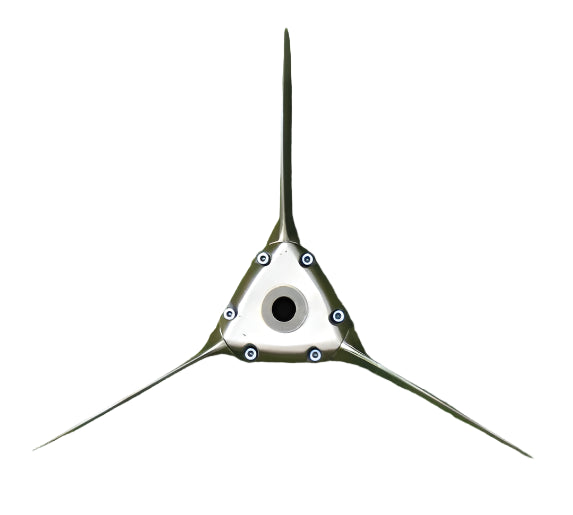
Feathering propeller designed for larger cruising yachts. Diameter range 18"–25"; shaft range 1¼"–1¾"; hub lengths 120mm or 165mm (with anode). Sail drive option available.
Explore →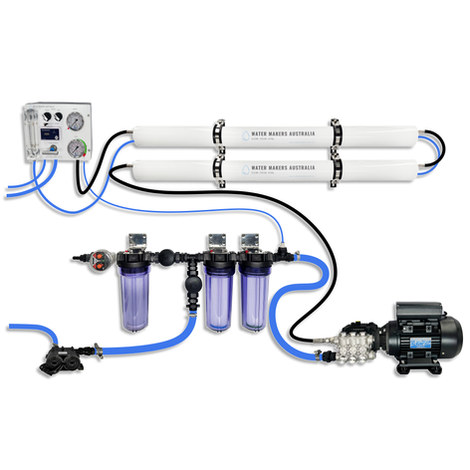
A two-membrane modular watermaker with 140 L/h nominal output, aimed at families and liveaboards that want more water per run.
Explore →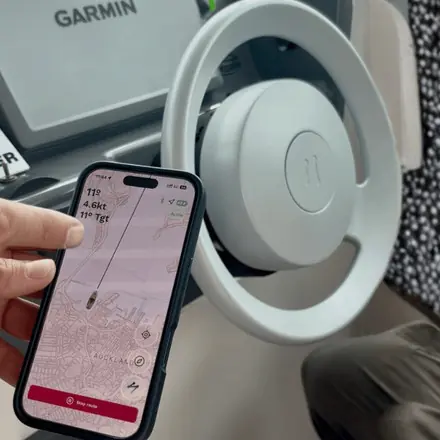
Self-contained, battery-powered plug‑and‑play autopilot designed for standard hydraulic steering systems.
Explore →