Loading this page…

Loading this page…
Sailing club
Deviot Sailing Club is a friendly dinghy and catamaran club on the western shore of the Tamar River, halfway between Launceston and Low Head. Club days run on Saturdays from October to April, with Discover Sailing Days for newcomers, fleets from Mirrors and Pacers to foiling Moths and Nacras, and social nights every third Friday of the month.
About
Deviot Sailing Club is a friendly dinghy and catamaran club on the western shore of the Tamar River, halfway between Launceston and Low Head. Club days run on Saturdays from October to April, with Discover Sailing Days for newcomers, fleets from Mirrors and Pacers to foiling Moths and Nacras, and social nights every third Friday of the month.
Service area: Deviot, TAS
Keep exploring
Deviot Sailing Club sits at 556 Deviot Road on the western shore of the Tamar River estuary, just under two nautical miles south of the Batman Bridge and about 35 minutes' drive north of Launceston. The club sails on Saturdays from October to late April and welcomes almost anything that floats: International Mirrors, Sabres, Pacers, B14s, 505s, NS14s and Moths (foiling and non-foiling), Nacra and Hobie catamarans, keelboats and trailable yachts.
Racing uses yardstick and skipper handicaps so everyone has a fair chance, with season championships and individual race prizes. Discover Sailing Days are held several times a season for people thinking about joining, and social nights run every third Friday of the month all year round. See other clubs in the region on our Deviot sailing clubs page.
The best way to start is at one of the club's Discover Sailing Days, held several times each season for people thinking about taking up sailing. You get a taste of being on the water with experienced members on hand, and a chance to see the different boats the club sails. From there, regular Saturday club days from October to April give newcomers plenty of time on the water.
Racing is designed to be fair and fun for all levels. The club uses yardstick handicaps for different classes and a skipper handicap system, so newer sailors can compete for prizes alongside experienced racers. Deviot also hosts state championships and school sailing championships, so there is a pathway for those who want to go further. Our beginner's guide to sailing in Australia is a good read before your first visit.
The clubrooms are on the west bank of the Tamar River at 556 Deviot Road, roughly halfway between Launceston and Low Head and just under two nautical miles south of the Batman Bridge. It is about a 35-minute drive north of Launceston through the Tamar Valley wine region.
The club describes its waters as offering reliable winds, a wide expanse of water and some interesting tidal patterns — a combination that suits everything from dinghies to catamarans and trailable yachts. For other clubs on the river, see Tamar Yacht Club in Launceston and Beauty Point, and Port Dalrymple Yacht Club near the river mouth.
Those tidal patterns deserve respect: the Tamar has a sizeable tidal range and the stream can run strongly through its narrower reaches. Our FAQ on tidal streams in Tasmanian harbours is a good read before heading out, and see our Deviot sailing clubs page.
Deviot Sailing Club has long been a gathering place for dinghy and catamaran sailors on the upper Tamar. Its location halfway down the river and its mix of reliable breezes and open water have made it a regular host for state championships and school sailing championships. Monthly social nights, held every third Friday of the month throughout the year, keep the club community together well beyond the sailing season.
Dangar Island sits in the lower Hawkesbury River close to Brooklyn and is one of Sydney’s small, boat‑access communities. From the water it reads as a wooded, low island with sandy foreshore, a public jetty and private moorings; its position at the mouth of Cowan Creek and close to the main river channel makes it an attractive short‑cruise destination for trailer sailors, runabouts and small cruisers but also one that requires careful local knowledge and respect for resident berths, ferry operations and tidal currents.

Look for a friendly club with beginner-focused training, accessible facilities and boats, a supportive community, clear safety practices, and opportunities to progress at your own pace.
Explore →
Plan passages across Spencer Gulf or to Kangaroo Island by basing fuel on your boat’s actual consumption plus a generous reserve, choosing sensible staging/stop options that match your boat and crew, and prioritising shelter and weather windows (gale fronts, strong winds and tidal streams can make the gulf uncomfortable or unsafe). Confirm fuel availability, safe anchorages or marinas on your route, and check up-to-date local weather, tide and navigation information before you go.
Explore →
Late spring to summer is usually the best time for beginners to start learning to sail in Tasmania because the weather is generally warmer, days are longer and conditions are often more settled. Expect lighter to moderate winds with regular afternoon sea breees in summer, while spring and autumn bring more changeable and sometimes stronger conditions; winter is colder, wetter and typically windier with more fronts and swell.
Explore →
A good float plan and a well-stocked emergency kit significantly improve your chances of a safe outcome when cruising remote parts of South Australia’s coastline. The float plan should give someone ashore all the information they need to find you and raise help if you don’t return; the emergency kit should allow you to stabilise the boat, care for injuries, signal for rescue and survive until help arrives.
Explore →A practical guide for recreational sailors planning visits to Albany and King George Sound. Covers the main anchorage areas, typical local weather patterns, tidal and current considerations, navigational hazards, on-the-water etiquette and a pre-departure checklist to help you plan a safe passage and enjoyable stopover
Explore →A practical guide to the coastal weather systems that affect sailing along Western Australia's coast, focusing on the Fremantle Doctor, local sea breezes, and linked coastal phenomena. Explains how these systems form, when they tend to occur, how they influence boat handling and passage planning, common mistakes, and a
Explore →A concise, practical introduction to the essential parts of a recreational sailing boat for beginners in Australia. Covers hull, deck, rigging, sails, steering, below-decks spaces and safety equipment, with simple explanations, common mistakes and a pre-decast checklist to help new sailors communicate and get underway.
Explore →Practical guide for recreational sailors navigating the Swan River and coastal waters around Perth. Covers local weather patterns, tides and currents, river navigation, launching and berthing options, safety equipment, common hazards, and step-by-step pre-departure and on-water checklists tailored to Western Australian
Explore →Burke Yachtsman Gear Bag 40L - Shop Now Zip Pay | Tamar Marine Skip to content 59 – 63 Holbrook Street, Invermay Online Shop Open 24/7 Products search Contact us 1300 MARINE $ 0.00 0 Cart Burke Yachtsman Gear Bag 40L $ 79.90 Colour Choose an option Black Blue Black Blue Clear - Burke Yachtsman Gear Bag 40L quantity + Add to cart Enquire about this product SKU BAGB-Y24/BLACK* Category Bags - Sail & Gear A Burke classic and customer favourite, the Yachtsman’s Gear Bag is built tough to handle wet, salty conditions while keeping your gear dry and protected. Made from double coated waterproof…
Explore →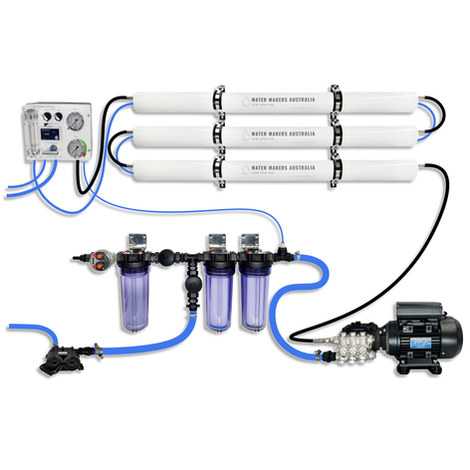
A three-membrane modular watermaker with 200 L/h nominal output and up to 240 L/h family-level marketing, for larger crews and heavy use.
Explore →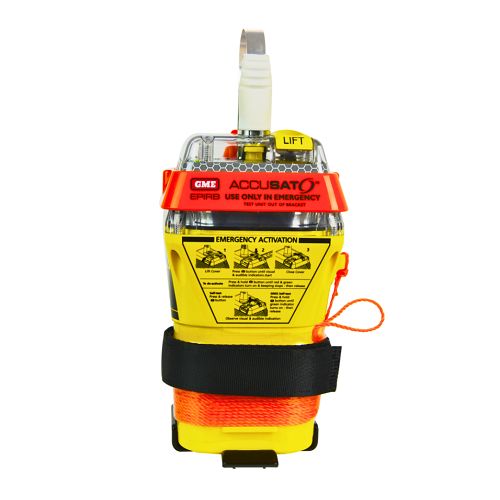
A 10‑year battery EPIRB with integrated GNSS (supports GPS and Galileo), infrared strobe and 121.5 MHz homing signal. Approved for worldwide COSPAS‑SARSAT operation.
Explore →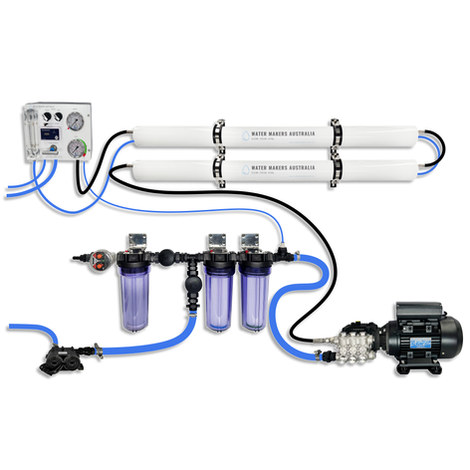
A two-membrane modular watermaker with 140 L/h nominal output, aimed at families and liveaboards that want more water per run.
Explore →