Loading this page…

Loading this page…
Sailing club
Huon Yacht Club is the sailing home of the Huon Valley, based at Shipwrights Point in Port Huon — the same spot where the first Huon Regatta was held in 1852. Formed in 1947, it runs racing on the Huon River and the D'Entrecasteaux Channel, sailing courses, a slipway, and a busy social calendar from its members-built clubhouse.
About
Huon Yacht Club is the sailing home of the Huon Valley, based at Shipwrights Point in Port Huon — the same spot where the first Huon Regatta was held in 1852. Formed in 1947, it runs racing on the Huon River and the D'Entrecasteaux Channel, sailing courses, a slipway, and a busy social calendar from its members-built clubhouse.
Service area: Port Huon, TAS
Keep exploring
Huon Yacht Club (HYC) is based at Shipwrights Point, 4345 Huon Highway, Port Huon, on the Huon River about 45 minutes south of Hobart. The club races on the Huon River, the D'Entrecasteaux Channel and beyond, and its clubhouse — built by members and opened in 1957 — has a starter's box on the roof overlooking the course.
The club offers sailing courses, a racing program, cruising and open days, and a slipway that members can book. Social life is a big part of the club, with dinner nights and themed gatherings through the year. Contact the club secretary at the_secretary@huonyachtclub.org. See other clubs nearby on our Port Huon sailing clubs page.
Huon Yacht Club offers sailing courses for people who want to learn or build their skills, and its racing program is a practical next step once you are comfortable on the water. Crewing on a club boat is a great way to learn the Huon's tides and breezes from people who know them well — and the club even campaigns its own J/24, Jen Z, supported by local sponsors.
Open days and cruising events are relaxed ways to meet members and see what the club offers. If you are new to sailing, our beginner's guide to sailing in Australia covers the basics before your first outing.
The club is at Shipwrights Point on the Huon Highway at Port Huon, on the western bank of the Huon River. Racing takes place on the river itself, in the D'Entrecasteaux Channel and beyond, giving sailors a mix of sheltered river courses and more open water towards Bruny Island.
On shore, the members-built clubhouse has a starter's box on its roof for running races, and the club's slipway can be booked through an online calendar. For more clubs in the region, see Port Cygnet Sailing Club and Port Esperance Sailing Club.
Sailing at Shipwrights Point goes back long before the club. The first Huon Regatta was held there in 1852, drawing up to 10,000 locals and visitors at a time when boats carried the valley's produce and residents to the Hobart markets.
Huon Yacht Club was formally established on 29 October 1947. Members built their own clubhouse, which was officially opened on 12 October 1957, and it remains the heart of the club today — a place for racing, courses and plenty of social evenings.
When the club was formed in 1947, racing started within a fortnight, thanks to a pick-up boat offered by a local resident. The Huon Regatta tradition it inherited was already old by then: in 1921 the Huon Regatta Association held its 71st regatta at Shipwrights Point. Across the river from nearby Franklin, a town named after Sir John and Lady Jane Franklin, the club carries on one of Tasmania's oldest sailing traditions, with the Huon River's apple-orchard banks and the Hartz Mountains as a backdrop.

Write a one‑page plan with the who/what/when/where/how of your trip, keep a copy on board and leave the main copy with a responsible person ashore (and optionally with your club, marina office or local volunteer rescue service).
Explore →
Immediate action is to shout and point, keep the casualty in sight, assign a spotter, throw a flotation device, and manoeuvre the boat for a controlled recovery while preparing the crew and equipment for the pickup.
Explore →
Reef as soon as the boat becomes hard to steer, uncomfortable, or when sails start flogging — reduce the mainsail first (to keep balance), then reduce headsail area; practise the reefing sequence and check sail trim and helm balance afterwards.
Explore →
Learn boat-handling basics (steering, points of sail and sail trim), safety and seamanship (personal flotation, wind awareness, man-overboard procedure), and simple anchoring/mooring — these give you the core skills to sail safely and enjoyably.
Explore →
A practical guide for new sailors on picking the right Australian sailing club: training, boat access, racing, social fit, costs and the key questions to ask before joining.
Explore →
A practical, Australia‑focused introduction to sailing: key terms, common boat types, basic manoeuvres, where to learn, licence and club options, and planning your first trips with safety and local conditions in mind.
Explore →Practical guide for recreational sailors navigating the Swan River and coastal waters around Perth. Covers local weather patterns, tides and currents, river navigation, launching and berthing options, safety equipment, common hazards, and step-by-step pre-departure and on-water checklists tailored to Western Australian
Explore →Practical guide for recreational sailors planning passage on the Hawkesbury River: how to plan around tides, choose anchorages, read local conditions and prepare the boat and crew for a safe, comfortable trip.
Explore →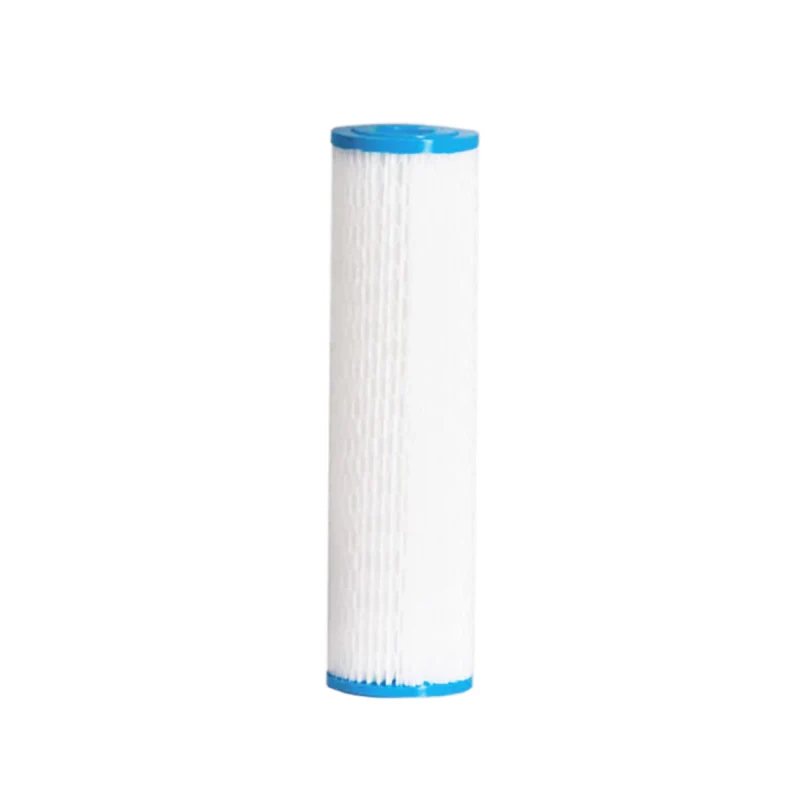
Standard 10 x 2.5 inch pleated poly cartridge rated at 20 micron. It is the first-stage pre-filter that removes larger sediment before the high-pressure pump, and it can be rinsed and reused.
Explore →
Push-to-talk radio that uses 4G mobile networks where there is coverage and a built-in 16-channel analog radio where there is none, with GPS and SOS. Sold as a two-pack.
Explore →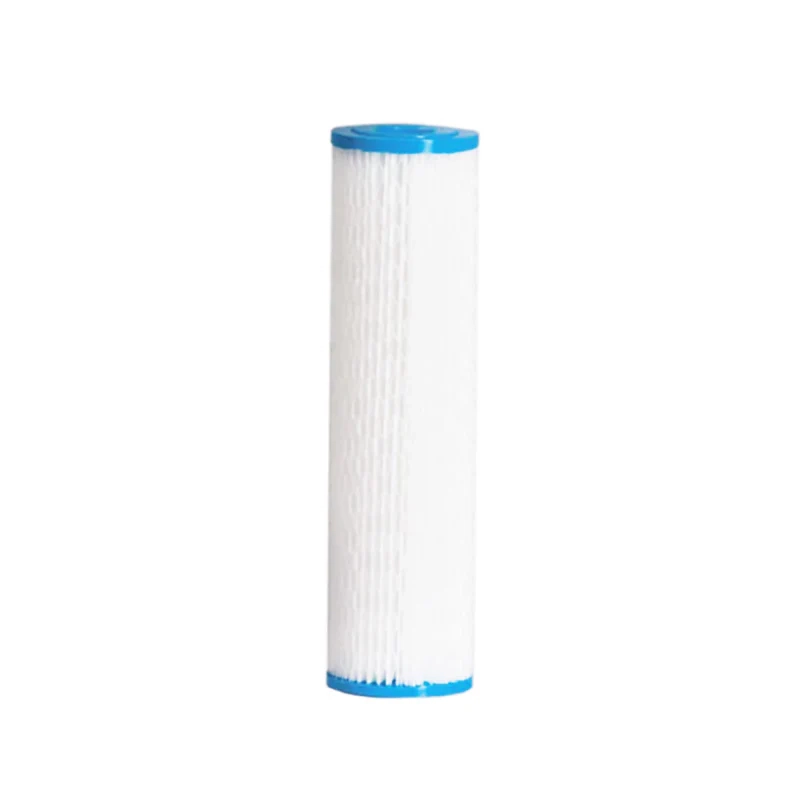
Standard 10 x 2.5 inch pleated poly cartridge rated at 5 micron. It is the second-stage pre-filter that removes fine sediment before the high-pressure pump, and it can be rinsed and reused.
Explore →
Standard 10 x 2.5 inch activated coconut carbon block cartridge, 5 micron nominal. It sits in the freshwater flush line and helps remove chlorine before the flush water reaches the membrane.
Explore →