Loading this page…

Loading this page…
Sailing club
King Island Boat Club is the island's sailing club, based at Grassy Harbour on the south-east coast of King Island in Bass Strait. It runs training, social sailing and racing in RS Quests, Cadets, Corsairs, Herons and Paper Tigers, and each March welcomes the ORCV's Queenscliff to Grassy ocean race fleet with its famous island hospitality.
About
King Island Boat Club is the island's sailing club, based at Grassy Harbour on the south-east coast of King Island in Bass Strait. It runs training, social sailing and racing in RS Quests, Cadets, Corsairs, Herons and Paper Tigers, and each March welcomes the ORCV's Queenscliff to Grassy ocean race fleet with its famous island hospitality.
Service area: Currie, King Island, TAS
Keep exploring
King Island Boat Club is based at Grassy Harbour on King Island, in western Bass Strait between Victoria and Tasmania. The club offers regular training sessions for beginners through to competitive sailors, social sailing and racing through the season, in classes including RS Quests, 12-foot Cadets, Corsairs, Herons and Paper Tigers.
Each year the club works with the Ocean Racing Club of Victoria to welcome the finish of the Queenscliff to Grassy race, when the bar is open and the club's steak sandwiches have become part of race folklore. New members are welcome and can get in touch through the club's Facebook group or by email at kingislandboatclub@gmail.com. See our Grassy sailing clubs page for more.
The club runs regular training sessions suitable for everyone from beginners to competitive sailors, in a mix of classes that includes RS Quests, 12-foot Cadets, Corsairs, Herons and Paper Tigers. Alongside training there is social sailing and competitive racing through the season, so there is something for every level. Session times are set by the club each season, so contact the club through its Facebook group or by email before your first visit. New members are always welcome.
The club sits at Grassy Harbour on the south-east coast of King Island, in western Bass Strait. Grassy Harbour offers a safe anchorage in all weather, which makes it a welcome stop for cruising yachts as well as the finish port for the Queenscliff to Grassy race.
That race, run by the Ocean Racing Club of Victoria with the King Island Boat Club, covers about 114 nautical miles from Queenscliff across Bass Strait and presents some unique navigational challenges on the way. When the fleet arrives, the club's bar and kitchen are open and visiting crews get to mix with the island's sailors.
King Island sits in the path of the Roaring Forties, and its waters are notorious: the island's coast is littered with shipwrecks, including the Cataraqui in 1845, Australia's worst civil maritime disaster. Modern crews still treat the crossing with respect. See our FAQs on planning a Bass Strait crossing and when to carry an EPIRB or PLB.
The Queenscliff to Grassy race began in the 1970s and has become an important fixture on the Australian ocean racing calendar. Today King Island Boat Club works with the Ocean Racing Club of Victoria to host the finish at Grassy Harbour, and the club's hospitality — and its steak sandwiches — have become part of the race's reputation.
Grassy itself grew as a mining town. Its harbour was built to serve the scheelite (tungsten) mine that operated there for decades, and when the mine wound down, the harbour became a haven for fishing boats and visiting yachts. The boat club has made it a welcoming stop for Bass Strait sailors, and the Queenscliff to Grassy finish has become one of the island's big social events.
Adelaide’s metropolitan coast fronts the eastern side of Gulf St Vincent and mixes short, sheltered bay sailing around Holdfast Bay and the Patawalonga with more exposed, open-water sailing north toward Outer Harbour and along the Le Fevre Peninsula. The area suits a wide range of activity — sheltered day sails, club and trailer-sailer racing, short coastal cruising into the Fleurieu and Yorke Peninsula, and launch-and-home-port racing — but demands local knowledge about shipping channels, tidal flows in the Port River/Outer Harbour approaches, and seasonal wind patterns.

Legal safety equipment for recreational boats in South Australia depends on the type, size and where you operate; you must check the current SA government requirements for your vessel. Independently of legal minimums, carry a sensible set of recommended items (lifejackets, means of communication, signaling, fire protection, anchor and basic tools) and make them usable and maintained.
Explore →
Plan the crossing as a deliberate offshore passage with a chosen route that reduces exposure, a weather window that keeps wind, swell and fronts well offshore, and firm alternates and abort points — using up-to-date synoptic and high‑resolution marine forecasts plus local observations to time departure and arrival.
Explore →
A regular, layered maintenance routine combining hull cleaning, targeted anti-fouling management, cathodic protection and systems checks will substantially reduce marine growth and corrosion for boats kept year‑round in South Australian waters. Focus on preventing attachment and electrochemical attack, then inspect and act more often if you’re in warm, nutrient-rich or high‑traffic sheltered waters.
Explore →
Do a seasonal inspection and servicing routine that focuses on hull and antifouling, through-hulls and seacocks, rigging and sails, engine and fuel systems, electricals and batteries, safety gear and bilge systems. Tailor exact tasks to your boat type, age and where you sail in South Australia, and follow manufacturer and marine service advice for anything technical.
Explore →
A practical guide for new sailors on picking the right Australian sailing club: training, boat access, racing, social fit, costs and the key questions to ask before joining.
Explore →A practical guide for recreational sailors planning passages to, from or around Eden and Twofold Bay. Covers sheltered anchorages, shore facilities, local weather and tidal considerations, preparing for Bass Strait conditions and a focused equipment and safety checklist.
Explore →A practical guide to the coastal weather systems that affect sailing along Western Australia's coast, focusing on the Fremantle Doctor, local sea breezes, and linked coastal phenomena. Explains how these systems form, when they tend to occur, how they influence boat handling and passage planning, common mistakes, and a
Explore →A concise, practical guide for recreational sailors in New South Wales that explains southerly busters, sea breezes and east coast lows, how they form, how they affect coastal sailing, common signs to watch for, equipment and preparation, and clear next steps to plan safer outings.
Explore →Burke Yachtsman Gear Bag 40L - Shop Now Zip Pay | Tamar Marine Skip to content 59 – 63 Holbrook Street, Invermay Online Shop Open 24/7 Products search Contact us 1300 MARINE $ 0.00 0 Cart Burke Yachtsman Gear Bag 40L $ 79.90 Colour Choose an option Black Blue Black Blue Clear - Burke Yachtsman Gear Bag 40L quantity + Add to cart Enquire about this product SKU BAGB-Y24/BLACK* Category Bags - Sail & Gear A Burke classic and customer favourite, the Yachtsman’s Gear Bag is built tough to handle wet, salty conditions while keeping your gear dry and protected. Made from double coated waterproof…
Explore →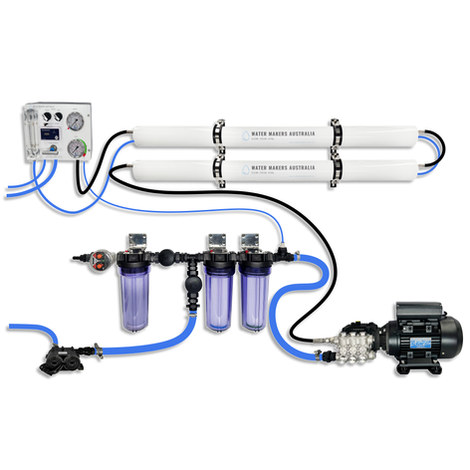
A two-membrane modular watermaker with 140 L/h nominal output, aimed at families and liveaboards that want more water per run.
Explore →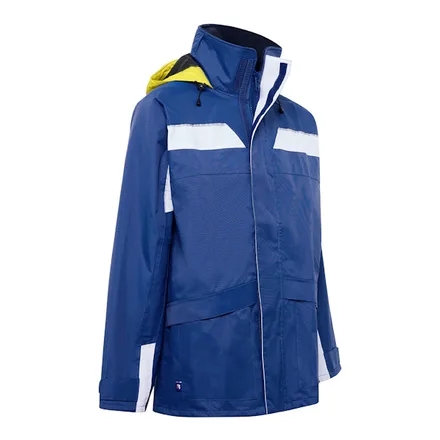
Burke Super Dry Jacket in Blue. Product codes shown: DRY228-XS, DRY228-S, DRY228-M, DRY228-L, DRY228-XL, DRY228-XXL. Available sizes listed: XS, S, M, L, XL, XXL.
Explore →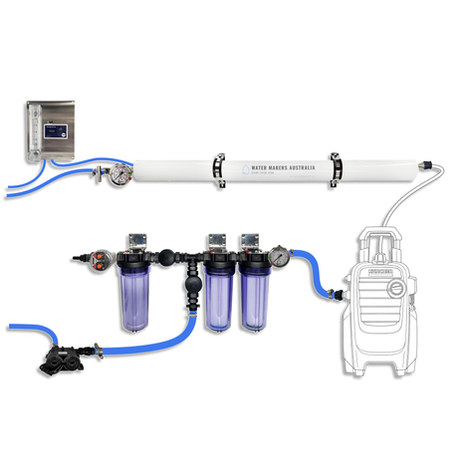
A one-membrane modular marine watermaker with 80 L/h nominal output, remote stainless control panel, standard consumables and direct Australian support.
Explore →