Loading this page…

Loading this page…
Sailing club
Leven Yacht Club is a friendly, volunteer-run sailing club on the Leven River at Ulverstone on Tasmania's north-west coast. Formed in 1950 from a club dating back to 1933, it offers learn to sail, Saturday racing, Discover Sailing Days and a SailPass for newcomers, with fleets that include RS dinghies, Sabots, B14 skiffs and off-the-beach catamarans.
About
Leven Yacht Club is a friendly, volunteer-run sailing club on the Leven River at Ulverstone on Tasmania's north-west coast. Formed in 1950 from a club dating back to 1933, it offers learn to sail, Saturday racing, Discover Sailing Days and a SailPass for newcomers, with fleets that include RS dinghies, Sabots, B14 skiffs and off-the-beach catamarans.
Service area: Ulverstone, TAS
Keep exploring
Leven Yacht Club is based at 3 Dial Street, Ulverstone, with its clubhouse on the bank of the Leven River about a kilometre upstream from the river mouth. It is a volunteer-run club with a strong junior membership and a relaxed, welcoming culture.
The club offers learn to sail, Saturday racing through the season and Discover Sailing Days for people curious about giving sailing a go, with upcoming days on 5 December 2026 and 9 January 2027. Its SailPass temporary membership lets newcomers try club sailing before committing. Fleets include RS dinghies, Sabots, B14 skiffs and off-the-beach catamarans. See other clubs nearby on our Ulverstone sailing clubs page.
Leven Yacht Club's learn-to-sail sessions are run by volunteers, which keeps them friendly and affordable. Discover Sailing Days are held through the season — with dates set for 5 December 2026 and 9 January 2027 — and are designed for people who have never sailed before. If you enjoy it, the club's SailPass temporary membership lets you keep sailing for a while before taking out full membership.
Saturday racing is the heart of club life, with fleets including RS dinghies, Sabots, B14 skiffs and off-the-beach catamarans. Leven sailors also travel to regattas around the state, such as the Georges Bay Sailing Regatta over the November long weekend, and the club has a track record at national level — its sailors won both the yardstick and handicap divisions at the 2018 B14 nationals. The club has also supported Project Broad Reach, which uses sailing to support young people facing disadvantage.
The clubhouse is at 3 Dial Street, Ulverstone, on the bank of the Leven River roughly a kilometre upstream from where it meets Bass Strait. Ulverstone sits between Devonport and Burnie on Tasmania's north-west coast, and the river gives the club a sheltered place to learn and race, with the open water of Bass Strait just outside the mouth.
Like many river clubs, Leven has had to work with the weather: a major flood in 2016 took out its boat ramps and seawall, and the club sailed without proper launching facilities for several years while repairs were made. For other north-west clubs, see Mersey Yacht Club in East Devonport and Burnie Yacht Club.
See our Ulverstone sailing clubs page for more.
Recreational sailing races on the Leven River are recorded as far back as the mid-1800s, when locals raced 16-foot dinghies. A sailing club was formed on 7 December 1933, and the current Leven Yacht Club was established on 31 March 1950.
The club has hosted significant events over the years, including the 1990 Mosquito catamaran nationals and the 2016 Tasmanian Youth Championships. It has always been a close-knit, family-friendly club — one that, according to an Australian Sailing profile, had gone more than a decade without a formal protest being lodged.
A practical cruising guide for the Moyne River port at the mouth of the Moyne River on Victoria’s south-west coast. It explains harbour geometry, seasonal conditions, principal sailing zones, anchorages, visitor facilities, known local hazards (bar, reefs, strong currents, surf and commercial traffic), regulatory controls and realistic experiences for day sailors, trailer-sailors and coastal cruisers. The guide draws on local port plans, state boating authorities, the yacht club’s visiting-boat practice and regional marine management documents.

Late spring to summer is usually the best time for beginners to start learning to sail in Tasmania because the weather is generally warmer, days are longer and conditions are often more settled. Expect lighter to moderate winds with regular afternoon sea breees in summer, while spring and autumn bring more changeable and sometimes stronger conditions; winter is colder, wetter and typically windier with more fronts and swell.
Explore →
Look for a friendly club with beginner-focused training, accessible facilities and boats, a supportive community, clear safety practices, and opportunities to progress at your own pace.
Explore →
Expect very different seasonal systems across Western Australia: the south‑west (Perth to Albany) has a strong summer afternoon sea breeze (the “Fremantle Doctor”) and winter westerly fronts, while northern WA follows a wet/dry monsoonal cycle with strong seasonal onshore winds, thunderstorms and cyclone risk in the wet season. Local headlands, estuaries and tidal flows often change what you actually feel on the water, so learn the local timing and sheltered venues first.
Explore →
Tasmania has a mix of state marine parks, local harbour bylaws and environmental protections that affect where and how you anchor—so check the specific area’s rules before you go, aim to use designated anchorages or soft seabeds, and follow standard anchoring and biosecurity good practice.
Explore →
A practical guide for new sailors on picking the right Australian sailing club: training, boat access, racing, social fit, costs and the key questions to ask before joining.
Explore →Practical guide for recreational sailors planning a coastal cruise from Sydney north to the Queensland border. Covers route options, weather and tidal considerations, planning checklists, common hazards, anchorages and practical examples for a safe, enjoyable trip.
Explore →
A practical, Australia‑focused introduction to sailing: key terms, common boat types, basic manoeuvres, where to learn, licence and club options, and planning your first trips with safety and local conditions in mind.
Explore →
A concise, practical guide to the points of sail and how to trim sails effectively for common Australian conditions. Learn the basics of wind angles, sail shape, telltales, reefing considerations and simple steps to improve boat speed and balance.
Explore →Burke Yachtsman Gear Bag 40L - Shop Now Zip Pay | Tamar Marine Skip to content 59 – 63 Holbrook Street, Invermay Online Shop Open 24/7 Products search Contact us 1300 MARINE $ 0.00 0 Cart Burke Yachtsman Gear Bag 40L $ 79.90 Colour Choose an option Black Blue Black Blue Clear - Burke Yachtsman Gear Bag 40L quantity + Add to cart Enquire about this product SKU BAGB-Y24/BLACK* Category Bags - Sail & Gear A Burke classic and customer favourite, the Yachtsman’s Gear Bag is built tough to handle wet, salty conditions while keeping your gear dry and protected. Made from double coated waterproof…
Explore →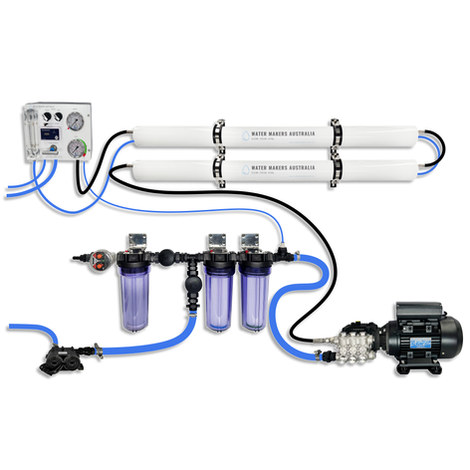
A two-membrane modular watermaker with 140 L/h nominal output, aimed at families and liveaboards that want more water per run.
Explore →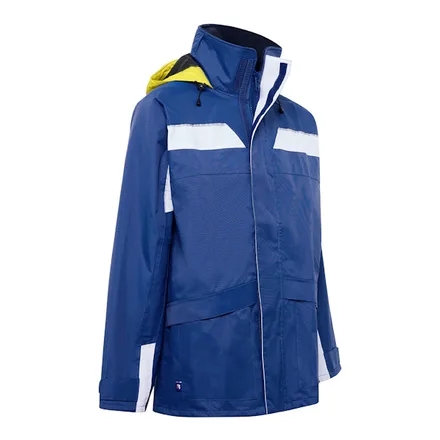
Burke Super Dry Jacket in Blue. Product codes shown: DRY228-XS, DRY228-S, DRY228-M, DRY228-L, DRY228-XL, DRY228-XXL. Available sizes listed: XS, S, M, L, XL, XXL.
Explore →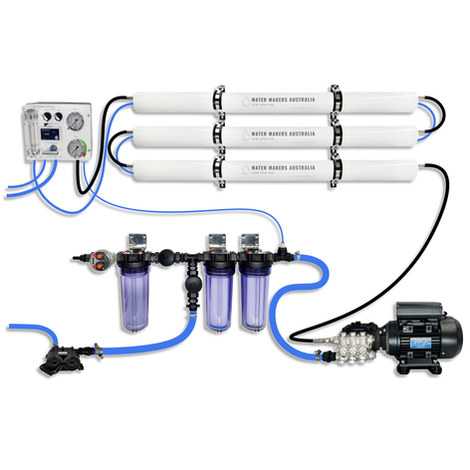
A three-membrane modular watermaker with 200 L/h nominal output and up to 240 L/h family-level marketing, for larger crews and heavy use.
Explore →