Loading this page…

Loading this page…
Sailing club
Mersey Yacht Club has been sailing on the Mersey River at Devonport since 1923 and is the finish port for the ORCV Melbourne to Devonport Yacht Race. From its waterfront clubhouse on Anchor Drive, East Devonport, it runs Saturday racing from October to April, a winter series, sail training in Pacers and RS Fevas, and a marina, slipway and function venue.
About
Mersey Yacht Club has been sailing on the Mersey River at Devonport since 1923 and is the finish port for the ORCV Melbourne to Devonport Yacht Race. From its waterfront clubhouse on Anchor Drive, East Devonport, it runs Saturday racing from October to April, a winter series, sail training in Pacers and RS Fevas, and a marina, slipway and function venue.
Service area: East Devonport, TAS
Keep exploring
Mersey Yacht Club sits on Anchor Drive, East Devonport, right on the Mersey River in north-west Tasmania. It welcomes anyone with a love of the water — sailors, power boaters, dragon boat paddlers, divers, junior sailors and people who simply enjoy relaxing by the river — and describes its mission as promoting safe, enjoyable boating.
The club runs racing for all skill levels, with regular racing on Saturdays through the summer season (October to April) and a fortnightly Winter Series from May to July. Sail training uses Pacers and RS Fevas, while racing fleets include B14s and performance sports boats. There is a marina and slipway, and the clubhouse is available as a function venue. The bar is open Thursday and Friday from 5pm to 8pm. See other clubs nearby on our East Devonport sailing clubs page.
Mersey Yacht Club offers sailing programs and sail training for newcomers, with training in the reliable Pacer and the fun, modern RS Feva — both great boats for young sailors and adults learning the ropes. Once you have the basics, racing is open to all skill levels.
Regular racing takes place on Saturdays during the summer season from October to April, and a Winter Series runs fortnightly from May to July for those who want to keep sailing year-round. Competitive fleets include B14 skiffs and performance sports boats, and the club has hosted major regattas such as the Australian and Oceania Laser titles in 2019. If you are planning a passage along the coast, our guide to planning a coastal sailing passage is a good starting point.
The clubhouse is on Anchor Drive in East Devonport, on the eastern bank of the Mersey River close to where it meets Bass Strait. It is a short hop from the Spirit of Tasmania terminal and the centre of Devonport. The river gives the club sheltered racing water, while Bass Strait is just outside the heads for coastal sailing.
Each year the club hosts the finish of the Ocean Racing Club of Victoria's Melbourne to Devonport Yacht Race, sailed for the Rudder Cup — a highlight on the calendar that brings visiting crews into the river. On shore there is a marina and slipway, and the clubhouse doubles as a function venue. For other north-west clubs, see Leven Yacht Club at Ulverstone and Burnie Yacht Club.
Yachting on the Mersey River dates back to 1877, but Mersey Yacht Club was officially established on 12 November 1923 at a meeting in Curwen's Salon on Rooke Street, Devonport. The first Opening Day followed on 1 December 1923, and sailing was held on Saturday afternoons — a tradition that continues today.
In 1972 the club moved to its current waterfront site on Anchor Drive in East Devonport. Since then it has grown into a broad boating community, hosting events such as the 2019 Australian and Oceania Laser titles and the annual finish of the Melbourne to Devonport race.

Look for a friendly club with beginner-focused training, accessible facilities and boats, a supportive community, clear safety practices, and opportunities to progress at your own pace.
Explore →
Write a one‑page plan with the who/what/when/where/how of your trip, keep a copy on board and leave the main copy with a responsible person ashore (and optionally with your club, marina office or local volunteer rescue service).
Explore →
Prioritise practising abandoning-ship and man-overboard drills, fire and flooding control, engine/fuel failures, emergency steering, communications and MOB recovery with the full crew and kit you’ll use on passage.
Explore →
Follow the basic COLREGs: keep a proper lookout, maintain safe speed and steering to avoid collisions, know which vessel ‘gives way’ and which ‘stands on’, use correct lights and sound signals, and keep clear of restricted waters and traffic lanes. Check local harbour rules and AMSA guidance for specifics.
Explore →Practical guide for recreational sailors planning passage on the Hawkesbury River: how to plan around tides, choose anchorages, read local conditions and prepare the boat and crew for a safe, comfortable trip.
Explore →Practical guide for recreational sailors navigating the Swan River and coastal waters around Perth. Covers local weather patterns, tides and currents, river navigation, launching and berthing options, safety equipment, common hazards, and step-by-step pre-departure and on-water checklists tailored to Western Australian
Explore →
A practical guide for new sailors on picking the right Australian sailing club: training, boat access, racing, social fit, costs and the key questions to ask before joining.
Explore →A practical guide for recreational sailors planning day sails or short cruises around Batemans Bay, Broulee and the Clyde River. Covers local conditions, safe approaches, anchorages, launching, tides, common hazards, and checklists for trip planning and on-water decisions.
Explore →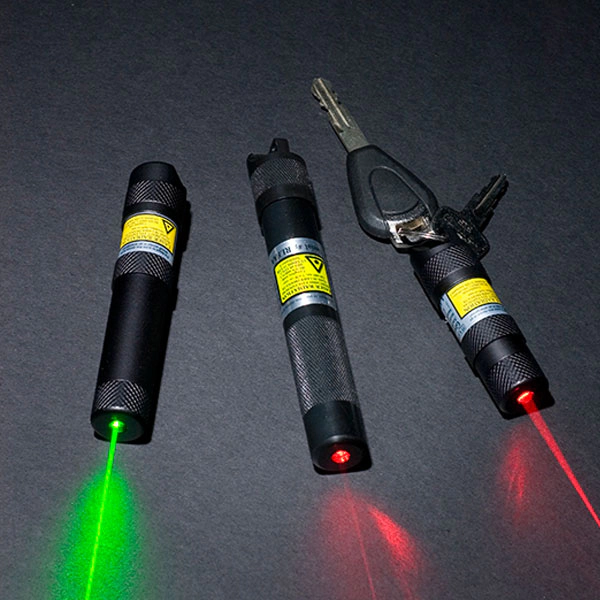
Hand-held, non-flammable laser signalling devices for day and night use, in red, green and Magnum versions, waterproof to 24 m and running for 5 to 72 hours on a battery.
Explore →
Calibrated Grade 60 hot-dip galvanised anchor chain made to DIN 766 for windlass gypsies, from the ShakeSure CORE series.
Explore →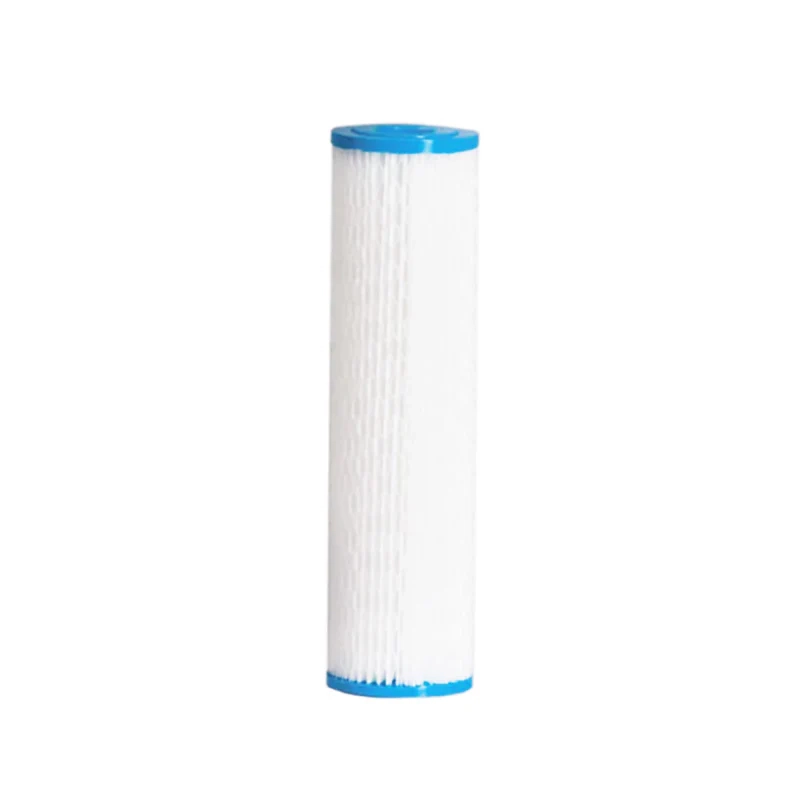
Standard 10 x 2.5 inch pleated poly cartridge rated at 5 micron. It is the second-stage pre-filter that removes fine sediment before the high-pressure pump, and it can be rinsed and reused.
Explore →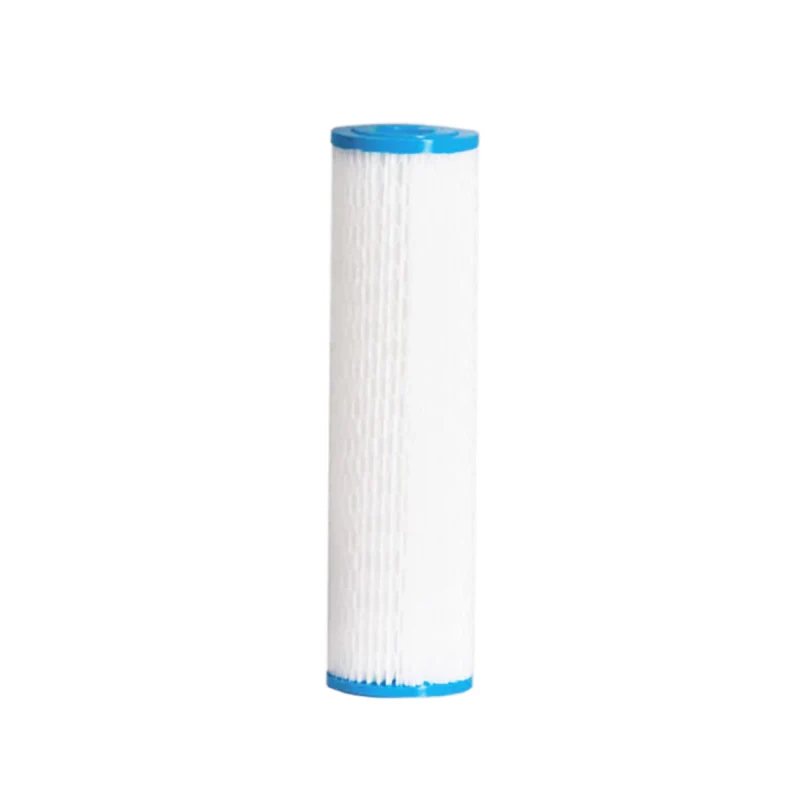
Standard 10 x 2.5 inch pleated poly cartridge rated at 20 micron. It is the first-stage pre-filter that removes larger sediment before the high-pressure pump, and it can be rinsed and reused.
Explore →