Loading this page…

Loading this page…
Sailing club
Sandy Bay Sailing Club is a volunteer-run family dinghy club at Long Point on Hobart's River Derwent, founded in 1948 to get young people — girls included — out sailing. It fields Optimists, International Cadets, ILCAs, 29ers, 49ers, WASZPs and windsurfers, runs Tackers, Cadet, OutThere and adult learn-to-sail programs, and hosts the 2026 International Cadet Australian Championships.
About
Sandy Bay Sailing Club is a volunteer-run family dinghy club at Long Point on Hobart's River Derwent, founded in 1948 to get young people — girls included — out sailing. It fields Optimists, International Cadets, ILCAs, 29ers, 49ers, WASZPs and windsurfers, runs Tackers, Cadet, OutThere and adult learn-to-sail programs, and hosts the 2026 International Cadet Australian Championships.
Service area: Sandy Bay, TAS
Keep exploring
Sandy Bay Sailing Club (SBSC) is a volunteer-run family sailing club on Long Point Road, Sandy Bay, on the River Derwent in Hobart. It is a dinghy club through and through, with fleets of Optimists, International Cadets, ILCAs (Lasers), 29ers, 49erFX and 49ers, WASZPs and windsurfers.
The club runs learn-to-sail programs for every age — Tackers for 7–12 year olds, Cadet Learn to Sail, OutThere Sailing for 12–17 year olds and an Adult Learn to Sail course in Pacers — plus midweek training, a Green Fleet for newer racers, private coaching, club pennant racing and team racing. Boat storage, RIB hire and club boats are available, and the clubrooms can be hired for events. Not sure which club suits you? Our guide to choosing a sailing club can help.
Learning to sail is what Sandy Bay does best. Children aged 7 to 12 start in Tackers 1 and 2, sailing single-handed Optimist dinghies in a safe and supportive setting. From there, the club's Cadet Learn to Sail program introduces the two-person International Cadet: helms are aged 13 to 17 and crews 9 to 13, which makes it a great way for siblings and friends to sail together. Teenagers aged 12 to 17 can also try OutThere Sailing, which mixes sailing with stand-up paddleboarding, windsurfing and powerboating. The school holiday sessions, especially in October, are popular and tend to fill quickly.
Adults are welcome too. The Adult Learn to Sail course uses Pacer dinghies and experienced instructors in a relaxed setting on the Derwent, and windsurfing instruction is available for anyone keen to try the board side of the sport. Once the basics are in place there is midweek training, a Green Fleet for newer racers, private coaching and club pennant racing, plus team racing and regattas such as the PJ's Super Series for those who catch the racing bug.
The club is based on Long Point Road in Sandy Bay, on the western shore of the River Derwent just south of Hobart's city centre. It is a short sail from its neighbours on Marieville Esplanade, the Derwent Sailing Squadron and the Royal Yacht Club of Tasmania, and you can see all the clubs in the area on our Sandy Bay sailing clubs page.
The Derwent gives dinghy sailors a lot of variety. The broad estuary off Sandy Bay offers plenty of room for racing and training, and it has produced generations of strong junior sailors. The club has boat storage for members, club-owned boats for learners, and RIB hire, and the clubrooms are available for hire with a BYO arrangement — a handy option for family celebrations by the water. For more on sailing in the area, take a look at our Hobart destination guide.
The club began at a meeting on 1 March 1948 at 501 Sandy Bay Road, called to form a dinghy club for young people — and, unusually for the time, that explicitly included girls. Sixteen people attended. Jack Patterson chaired the meeting, while Alec Stevens took the minutes as secretary and later became the club's first Life Member; Kay Watson, John Morris and Dudley Shearman were among the other founders.
The first boats were Sandridge Sharpies, glued plywood dinghies with flotation chambers and a crew of three. They were fast, safe, exciting and cheap to build, which made them ideal for teenagers. The club's first base was on Sandy Bay Road, near where the Derwent Sailing Squadron building stands today, before it settled at Long Point.
That founding idea — getting young people, boys and girls alike, out on the water — still shapes the club more than 75 years later, from Tackers on the beach to national championship fleets.
Ballina sits at the mouth of the Richmond River on NSW’s far‑north coast. It’s a working river entrance with a compact boat harbour, exposed ocean beaches and a changeable, sand‑dominated bar. For coastal cruisers it offers a useful stop between Tweed Heads and Yamba, sheltered estuary cruising upriver and easy access to open ocean passages — but the river entrance is highly condition‑dependent and demands respectful planning and local knowledge.

Late spring to summer is usually the best time for beginners to start learning to sail in Tasmania because the weather is generally warmer, days are longer and conditions are often more settled. Expect lighter to moderate winds with regular afternoon sea breees in summer, while spring and autumn bring more changeable and sometimes stronger conditions; winter is colder, wetter and typically windier with more fronts and swell.
Explore →
Look for a friendly club with beginner-focused training, accessible facilities and boats, a supportive community, clear safety practices, and opportunities to progress at your own pace.
Explore →
Pick a protected bay, estuary or river reach where you can rig, launch and arrive on calm water within a short, sheltered transit; choose a site with a good ramp or jetty, clear recovery options and a nearby sailing club, marina or commercial operator for local knowledge and help.
Explore →
Keep the boat balanced by steering a consistent course for the sail trim and by moving crew weight fore/aft and side-to-side to control helm and reduce weather or lee helm. Upwind you aim for a slight weather helm and a heel that lets the sails work efficiently; downwind you flatten the boat a little, ease sheets to prevent luffing or accidental broaches, and shift weight aft as the apparent wind drops.
Explore →
A practical guide for new sailors on picking the right Australian sailing club: training, boat access, racing, social fit, costs and the key questions to ask before joining.
Explore →
A practical step‑by‑step guide to planning a safe, realistic coastal sailing passage in Australian waters: choosing a route, estimating distance and time, checking weather and tides, fuel and daylight planning, identifying safe harbours and anchorages, and preparing backup plans.
Explore →
A practical guide to Queensland’s top sailing areas, what to expect from each region, seasonal and safety considerations, suggested itineraries and useful planning checklists for recreational sailors.
Explore →
A practical, Australia‑focused introduction to sailing: key terms, common boat types, basic manoeuvres, where to learn, licence and club options, and planning your first trips with safety and local conditions in mind.
Explore →Burke Yachtsman Gear Bag 40L - Shop Now Zip Pay | Tamar Marine Skip to content 59 – 63 Holbrook Street, Invermay Online Shop Open 24/7 Products search Contact us 1300 MARINE $ 0.00 0 Cart Burke Yachtsman Gear Bag 40L $ 79.90 Colour Choose an option Black Blue Black Blue Clear - Burke Yachtsman Gear Bag 40L quantity + Add to cart Enquire about this product SKU BAGB-Y24/BLACK* Category Bags - Sail & Gear A Burke classic and customer favourite, the Yachtsman’s Gear Bag is built tough to handle wet, salty conditions while keeping your gear dry and protected. Made from double coated waterproof…
Explore →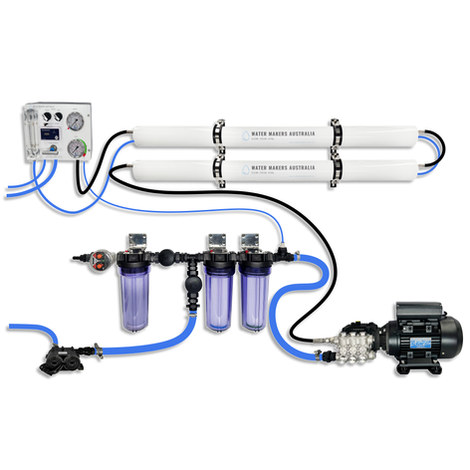
A two-membrane modular watermaker with 140 L/h nominal output, aimed at families and liveaboards that want more water per run.
Explore →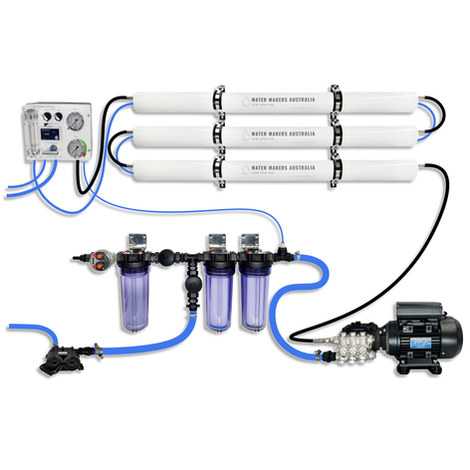
A three-membrane modular watermaker with 200 L/h nominal output and up to 240 L/h family-level marketing, for larger crews and heavy use.
Explore →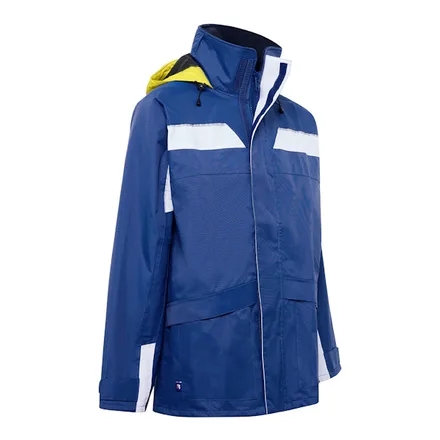
Burke Super Dry Jacket in Blue. Product codes shown: DRY228-XS, DRY228-S, DRY228-M, DRY228-L, DRY228-XL, DRY228-XXL. Available sizes listed: XS, S, M, L, XL, XXL.
Explore →