Meet our supporters · Push-to-talk radios
Poclink push-to-talk radios connect crews on shore
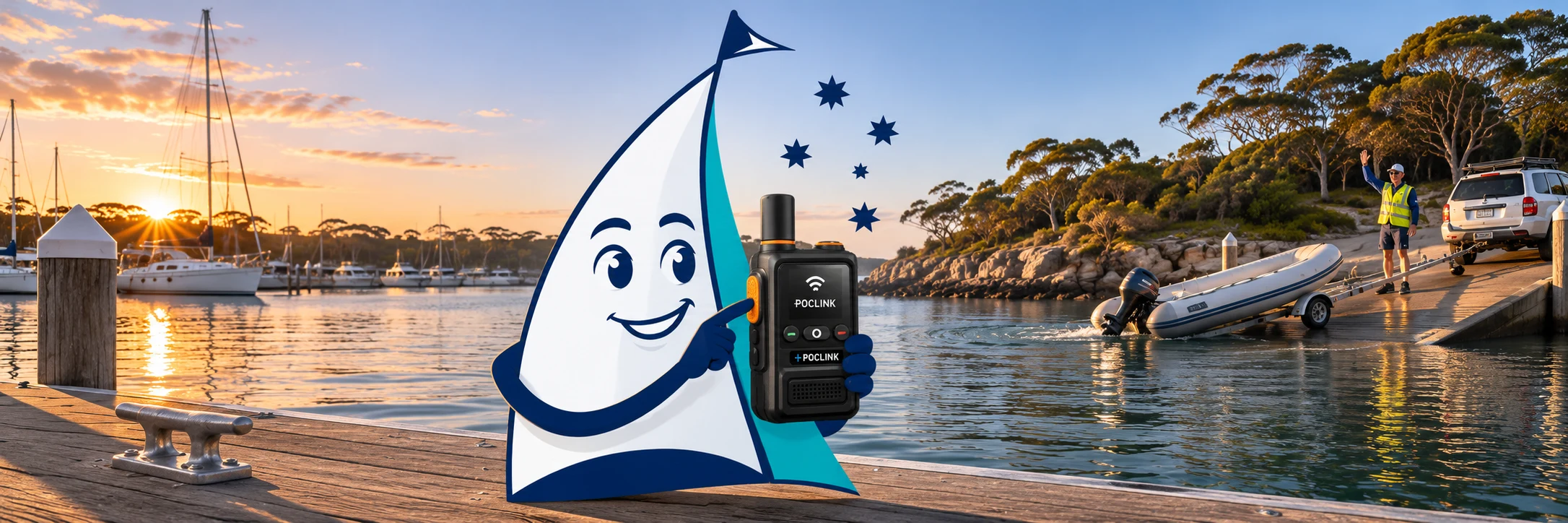
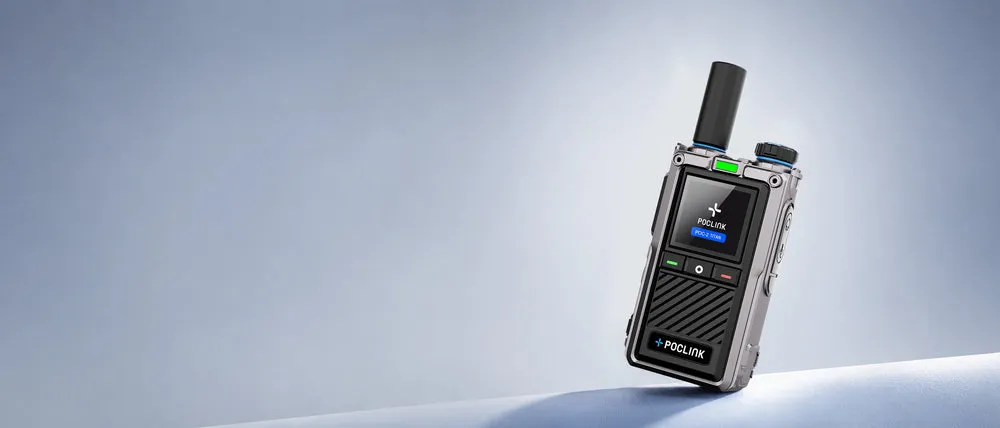
The trailer is at the ramp, the gear is at the clubhouse and the driver has just gone to collect another crew member. Everyone has a phone, but ringing people one by one is a slow way to tell a team that the pickup point has changed. Poclink makes handheld push-to-talk radios that use mobile networks. Press the talk button and speak to the people coordinating the job with you.
A short call at the right moment
For a sailing club running an event, much of the work happens on dry land. Someone has to find the spare trolley, direct the next delivery and tell the person at registration where the visiting crew should go. These are conversations measured in seconds. We like the dedicated handset for that reason. The person doing the job has a talk button to reach for, without first looking up a number or opening a message thread.
What mobile coverage changes
A cellular radio sends the voice call through a mobile network. That can connect people at different shoreside locations, even when there are buildings or headlands between them. Both ends need suitable network service. For a club considering Poclink, try the places where the team actually works: inside the shed, down at the launch ramp and at the overflow car park. Coverage at the clubhouse desk tells you little about the far end of the site.
Where it fits in the kit
We see Poclink as a tool for the shore crew, event organisers and drivers who keep a sailing day moving. Marine VHF serves a different purpose aboard, including contact with other vessels and maritime stations. The attraction here is having one straightforward way for the people on land to say “the last boat is on the trailer” and let everyone get on with the next job.

One group for the ramp, another for the clubhouse
At an Australian club regatta, the most useful call of the afternoon might be “the trailer bay’s clear”. The ramp crew needs to hear it straight away. The people serving lunch probably don’t. That’s why we like Poclink’s group and private calling. Put the volunteers doing the same job in one group, then use a private call when only the driver needs the message. It keeps the handset quiet enough for people to pay attention when it matters.
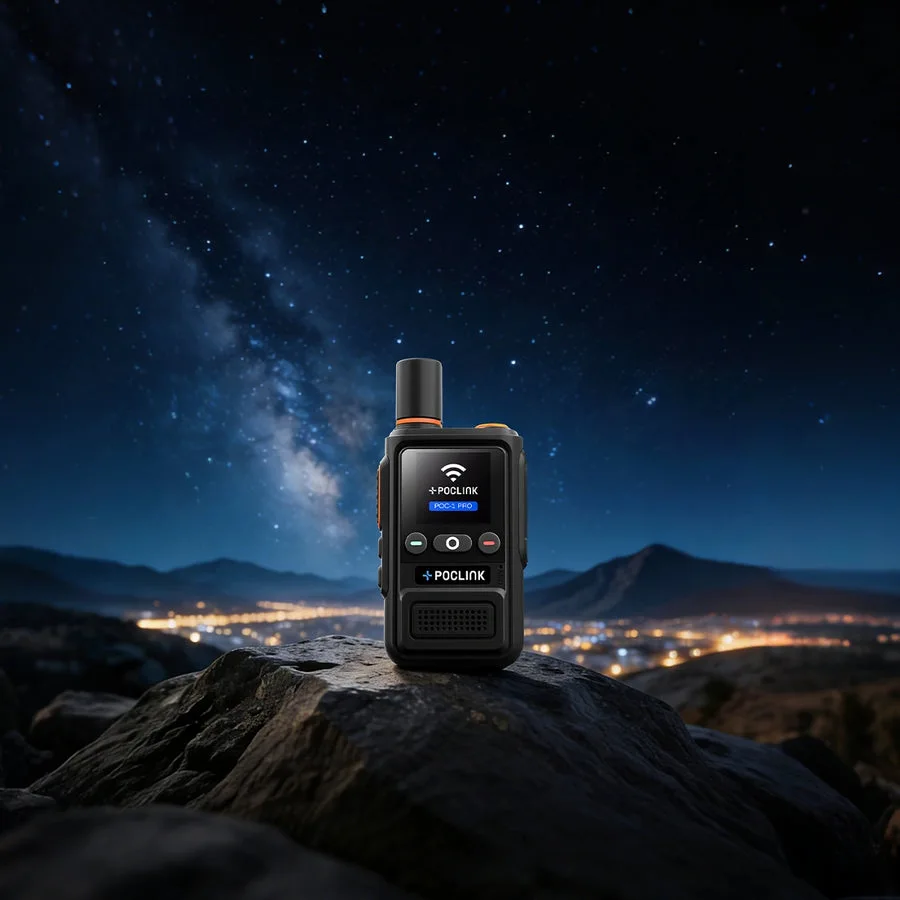
The model differences are worth a look. The POC-1 Lite uses 4G, while the POC-1 Pro can also connect over Wi-Fi. For a club with patchy mobile reception inside a metal shed and good clubhouse Wi-Fi, that second connection could be a reason to choose the Pro. Before ordering a set, give Poclink the Australian postcodes where you’ll use it and ask about supported networks, included cellular service and renewal terms. Then trial a pair at the ramp and inside the shed before equipping the whole team.