Loading this page…

Loading this page…
Sailing club
Wynyard Yacht Club is a busy community club on Tasmania's north-west coast, running learn to sail for kids, youth and adults, casual sailing and Saturday racing, Sailability, school and community programs and MAST powerboat licence courses. It hosted the 58th International Mirror Class Australian Championships in January 2026 and offers venue hire.
About
Wynyard Yacht Club is a busy community club on Tasmania's north-west coast, running learn to sail for kids, youth and adults, casual sailing and Saturday racing, Sailability, school and community programs and MAST powerboat licence courses. It hosted the 58th International Mirror Class Australian Championships in January 2026 and offers venue hire.
Service area: Wynyard, TAS
Keep exploring
Wynyard Yacht Club (WYC) is based at 2a Old Bass Highway, Wynyard, on Tasmania's north-west coast. It is a busy community club with learn-to-sail programs for children, youth and adults, casual sailing and racing on Saturdays, a Sailability program for people of all abilities, and school and community programs.
The club also runs MAST powerboat licence courses and Try Skills sessions, supports marine rescue and general volunteering, and has a paddlers and kayak group. The clubrooms are available for venue hire. Contact the club secretary at secretary@wynyard.org or on 0488 384 117, or call 0459 108 066 for general enquiries. See our Wynyard sailing clubs page for more.
It's also one of the most decorated community clubs in the country. WYC has been named Australian Sailing Tasmania Club of the Year four times, and in 2014 it won both the Sport Australia Community Club award and Australian Sailing Club of the Year. Its members include Hansa 303 world champions Chris Symonds (para and open) and Manuela Klinger (doubles), and Mirror world champion Jess Andrewartha. About a third of its 130 or so members are 18 or under.
Learning to sail at Wynyard is open to everyone. The club runs learn-to-sail programs for children, youth and adults, and casual sailing sessions on Saturdays are a relaxed way to keep practising once you have the basics. For those who want to race, Saturday racing runs through the season.
Wynyard is also the North West base for Sailability Tasmania, which offers sailing for people of all abilities, and the club runs school and community programs to introduce more locals to the water. Off the water, MAST powerboat licence courses are held through the year — with sessions scheduled in October and November 2026 — and Try Skills sessions give people a taste of different water sports. Volunteers are always welcome, including in marine rescue.
The program is broad: sailboat racing and coaching, Start Sailing 1 and 2, Start Racing and Youth Tackers, plus Sailability (with nearly 30 members), paddling programs through Paddle Tasmania, powerboat licensing and marine rescue training. Club boats include Optimists, Pacers, Hansa 303s, a Laser and a Hartley TS16, so learners don't need their own boat to start.
The club is at 2a Old Bass Highway, Wynyard, on Tasmania's north-west coast near the mouth of the Inglis River, with Bass Strait on the doorstep. Its location gives sailors a mix of sheltered water for learning and more open coastal conditions for experienced crews. It is about 20 minutes west of Burnie.
The clubrooms are available for venue hire and serve as a base for the club's paddlers and kayak group as well as its sailors. For other clubs along the coast, see Burnie Yacht Club and Leven Yacht Club in Ulverstone.
Wynyard Yacht Club has grown into one of the most active community clubs on Tasmania's north-west coast, combining racing with learn to sail, Sailability, school programs and powerboat training. A recent highlight was hosting the 58th International Mirror Class Australian Championships in January 2026, bringing Mirror sailors from across the country to Wynyard.
The club was established in 1961 in a town of about 5,000 people, and it has become a genuine community hub. Its new multi-million-dollar clubhouse, with a ramp and floating pontoon, opened in September 2022. That year the club hosted the Tasmanian Youth Championships, followed by the Australian Hansa Class Championships at Easter 2023. It has now hosted several Australian championships and produced five national champions.

Late spring to summer is usually the best time for beginners to start learning to sail in Tasmania because the weather is generally warmer, days are longer and conditions are often more settled. Expect lighter to moderate winds with regular afternoon sea breees in summer, while spring and autumn bring more changeable and sometimes stronger conditions; winter is colder, wetter and typically windier with more fronts and swell.
Explore →
Tasmania has a mix of state marine parks, local harbour bylaws and environmental protections that affect where and how you anchor—so check the specific area’s rules before you go, aim to use designated anchorages or soft seabeds, and follow standard anchoring and biosecurity good practice.
Explore →
Treat Tasmanian waters as cold year-round: prevent immersion where possible, wear appropriate layers and a lifejacket, carry reliable distress equipment, and have clear procedures to recover and rewarm anyone who gets wet.
Explore →
Regular cleaning, targeted protection (grease, corrosion inhibitors, sacrificial anodes and insulating dissimilar metals), and a disciplined inspection and maintenance routine will keep rigging and fittings lasting longer in Tasmania’s cool, salty marine climate.
Explore →
A concise, practical guide to the points of sail and how to trim sails effectively for common Australian conditions. Learn the basics of wind angles, sail shape, telltales, reefing considerations and simple steps to improve boat speed and balance.
Explore →
A practical guide for new sailors on picking the right Australian sailing club: training, boat access, racing, social fit, costs and the key questions to ask before joining.
Explore →A concise, practical guide for recreational sailors in New South Wales that explains southerly busters, sea breezes and east coast lows, how they form, how they affect coastal sailing, common signs to watch for, equipment and preparation, and clear next steps to plan safer outings.
Explore →Practical guide for recreational sailors planning a coastal cruise from Sydney north to the Queensland border. Covers route options, weather and tidal considerations, planning checklists, common hazards, anchorages and practical examples for a safe, enjoyable trip.
Explore →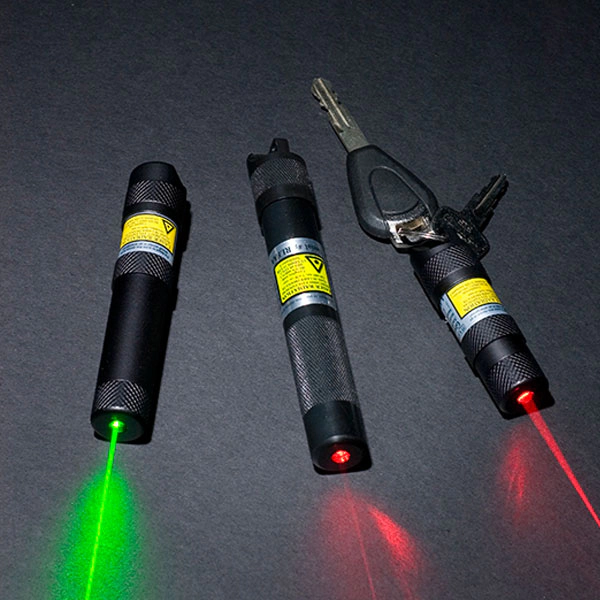
Hand-held, non-flammable laser signalling devices for day and night use, in red, green and Magnum versions, waterproof to 24 m and running for 5 to 72 hours on a battery.
Explore →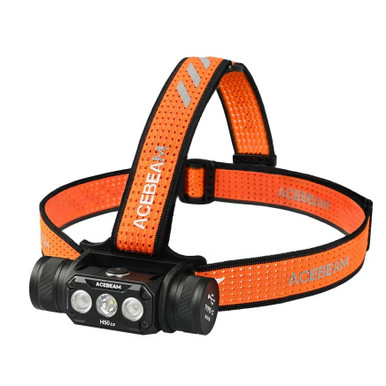
A 2000 lumen headlamp with spot and flood beams, rated IP68 and submersible to 2 metres, with a 141 metre beam and up to 30 hours on low.
Explore →
Push-to-talk radio that uses 4G mobile networks where there is coverage and a built-in 16-channel analog radio where there is none, with GPS and SOS. Sold as a two-pack.
Explore →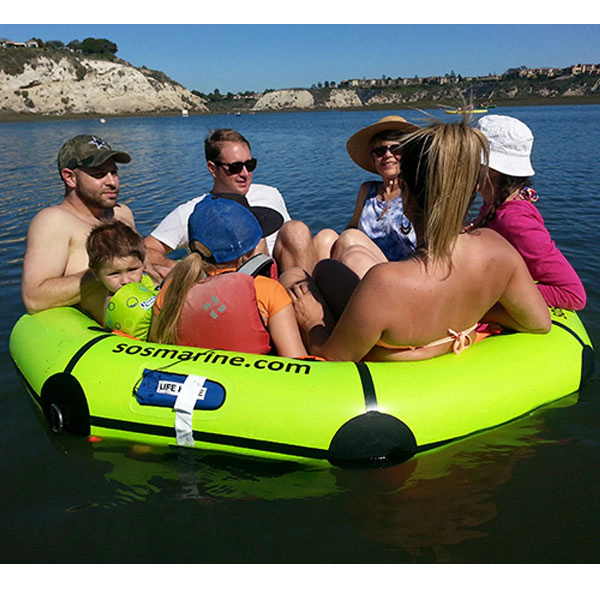
Compact four-person life raft in a valise for inshore and coastal use. It weighs 8.6 kg, packs to 520 x 340 x 170 mm and is serviced every two years.
Explore →