Loading this page…

Loading this page…
Sailing club
Merimbula Sailboard Club was formed in 1980–81 by local wave sailors and is based at Main Beach, Merimbula, on the NSW Sapphire Coast. It runs the Merimbula Classic every November — held every year since 1981 and one of the longest-running wave-sailing events in the world — and the PenneMal in May.
About
Merimbula Sailboard Club was formed in 1980–81 by local wave sailors and is based at Main Beach, Merimbula, on the NSW Sapphire Coast. It runs the Merimbula Classic every November — held every year since 1981 and one of the longest-running wave-sailing events in the world — and the PenneMal in May.
Service area: Merimbula / Sapphire Coast, NSW
Keep exploring
Merimbula Sailboard Club is based at Main Beach, Merimbula, on the Sapphire Coast of New South Wales. It was formed in 1980–81 by a handful of keen wave sailors, many of whom are still involved. It's best known for the Merimbula Classic, a wave-sailing contest held each November that now welcomes windsurfers, kitesurfers, stand-up paddlers and foilers. The 44th edition runs from 26 to 29 November 2026. The club also holds the PenneMal each May.
The Classic is one of the longest-running events of its kind anywhere. It began as a windsurfing contest and has grown with each new water sport, adding kitesurfing, wing and foil surfing and SUP surfing. Over the years it has attracted some of Australia's best wave riders and helped put Merimbula on the map as a Far South Coast water sports destination.
For news and entries, see the club's website and Facebook page. See our Merimbula sailing clubs page and our Merimbula location page for more.
Merimbula Sailboard Club is an event-focused club for experienced wave sailors rather than a learn-to-windsurf school. Its two big fixtures, the Merimbula Classic in November and the PenneMal in May, welcome windsurfers, kitesurfers, stand-up paddlers and foilers, and they're a great chance to watch and learn from some of the country's best wave riders. If you're new to windsurfing, start on flat water with a qualified instructor before heading into the surf.
Merimbula Lake is a natural stepping stone. The club's own founders started there before moving out to the bar. Flat, shallow water lets you practise, and the bar entrance is there when you're ready for waves. Wave sailing is demanding, so learn to read swell and sea state first. Our guide to wind, waves, swell and sea state is a good primer.
The club is based at Main Beach, Merimbula, on the NSW Sapphire Coast about halfway between Sydney and Melbourne. Its founders started sailing on Merimbula Lake before discovering the bar at the lake entrance, where the wind direction lets sailors reach out to sea and ride waves back in.
The coast here faces the Tasman Sea, so conditions depend heavily on the swell and wind direction — which is why the Classic runs across several days to catch the best of it. For cruising the area by yacht, see our guide to sailing Eden and Twofold Bay and Twofold Bay Yacht Club in nearby Eden.
The club was formed in 1980–81 by a handful of keen surfer-sailors. The story goes that local tuna fishermen discovered windsurfing on a trip to Hawaii and brought it home to Merimbula. They held a contest at Easter 1981, won by Mike Maguire, and another in November to coincide with the first Rip Curl multi-fin sailboard classic in Torquay. That was the start of what became the Merimbula Classic. Henry Jones became the club's first president and John Smythe its first contest director.
Timing helped the event grow. Merimbula sat conveniently between the big contests in Sydney and Torquay, so touring competitors could stop in on their way through. For years the event was sponsored by Mambo, and it was widely known as "the Mambo" until the brand was sold. Raging Bull Surf later became a sponsor.
The Merimbula Classic has run every year since 1981, making it one of the longest-running events of its kind anywhere in the world. Over the decades it has grown to include kitesurfing, stand-up paddling and foiling, and it remains a fixture on the Australian wave-sailing calendar. The 43rd edition ran in November 2025.
A practical cruising guide for the Moyne River port at the mouth of the Moyne River on Victoria’s south-west coast. It explains harbour geometry, seasonal conditions, principal sailing zones, anchorages, visitor facilities, known local hazards (bar, reefs, strong currents, surf and commercial traffic), regulatory controls and realistic experiences for day sailors, trailer-sailors and coastal cruisers. The guide draws on local port plans, state boating authorities, the yacht club’s visiting-boat practice and regional marine management documents.

Plan as a chain of conservative daily legs tied to your boat’s real-world fuel and speed in the expected sea state, with confirmed primary and alternate anchorages/berths, fuel legs and back-up fuel options, and a documented emergency/diversion plan (comms, tow and med-evac). Build tidal and weather gates into each leg and carry chart and comms redundancy.
Explore →
Plan to transit Sydney Heads and northern NSW estuary entrances to take advantage of favourable tidal streams or slack water; account for local acceleration over shoals, eddies, wind-on-current effects and river discharge, and always check the latest local observations and tide/stream products before departure.
Explore →
Pick a protected bay, estuary or river reach where you can rig, launch and arrive on calm water within a short, sheltered transit; choose a site with a good ramp or jetty, clear recovery options and a nearby sailing club, marina or commercial operator for local knowledge and help.
Explore →
Expect the usual IALA-B lateral system (red and green), cardinal and isolated-danger marks, safe-water and special marks, plus harbour-specific fairway buoys, leading/transit marks and exclusion or speed‑limit buoys. Check local harbour charts and Notices to Mariners for exact positions and light characteristics before entry.
Explore →A practical guide for recreational sailors planning visits to Albany and King George Sound. Covers the main anchorage areas, typical local weather patterns, tidal and current considerations, navigational hazards, on-the-water etiquette and a pre-departure checklist to help you plan a safe passage and enjoyable stopover
Explore →
A practical guide for recreational sailors planning trips on the Gold Coast Broadwater: key features, local weather and tide considerations, navigation tips, common hazards, equipment checklist and step‑by‑step trip planning tailored to Australian conditions.
Explore →Practical guide for recreational sailors navigating the Swan River and coastal waters around Perth. Covers local weather patterns, tides and currents, river navigation, launching and berthing options, safety equipment, common hazards, and step-by-step pre-departure and on-water checklists tailored to Western Australian
Explore →Practical guide for recreational sailors planning passages, anchorages and visits to Ningaloo Reef and the Exmouth coast. Covers anchoring considerations, marine park rules and how local weather, tides and currents affect safety and enjoyment.
Explore →Burke Yachtsman Gear Bag 40L - Shop Now Zip Pay | Tamar Marine Skip to content 59 – 63 Holbrook Street, Invermay Online Shop Open 24/7 Products search Contact us 1300 MARINE $ 0.00 0 Cart Burke Yachtsman Gear Bag 40L $ 79.90 Colour Choose an option Black Blue Black Blue Clear - Burke Yachtsman Gear Bag 40L quantity + Add to cart Enquire about this product SKU BAGB-Y24/BLACK* Category Bags - Sail & Gear A Burke classic and customer favourite, the Yachtsman’s Gear Bag is built tough to handle wet, salty conditions while keeping your gear dry and protected. Made from double coated waterproof…
Explore →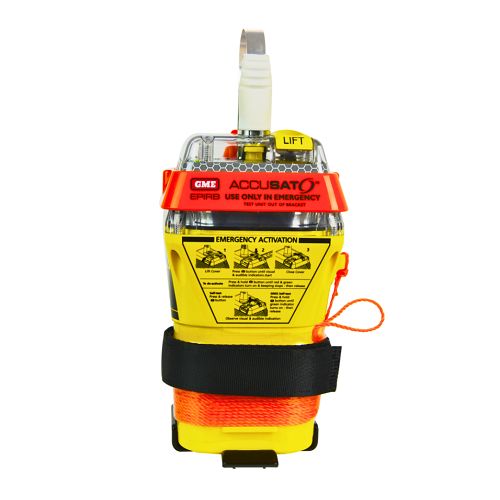
A 10‑year battery EPIRB with integrated GNSS (supports GPS and Galileo), infrared strobe and 121.5 MHz homing signal. Approved for worldwide COSPAS‑SARSAT operation.
Explore →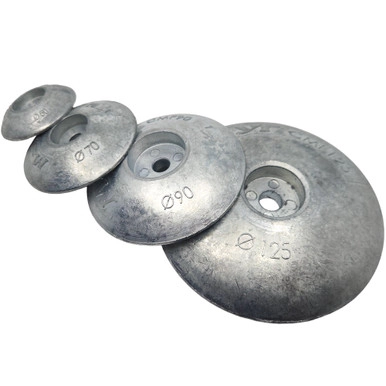
Imported from All Marine Spares. This draft has no editorial summary yet.
Explore →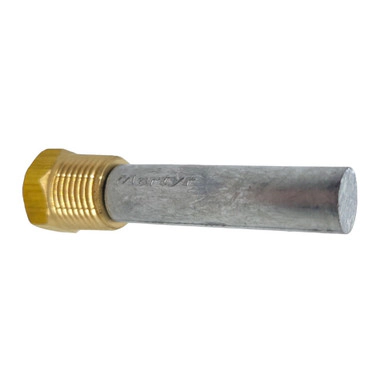
Imported from All Marine Spares. This draft has no editorial summary yet.
Explore →