Loading this page…

Loading this page…
Sailing club
Milang Regatta Club is a sailing club on the waterfront at Milang, on Lake Alexandrina in South Australia's Lower Lakes. It runs the annual Milang Regatta in late November and a three-day March long weekend regatta, and Milang is the starting point for the famous Milang-Goolwa Freshwater Classic.
About
Milang Regatta Club is a sailing club on the waterfront at Milang, on Lake Alexandrina in South Australia's Lower Lakes. It runs the annual Milang Regatta in late November and a three-day March long weekend regatta, and Milang is the starting point for the famous Milang-Goolwa Freshwater Classic.
Service area: Lake Alexandrina / Fleurieu Peninsula, South Australia
Keep exploring
Milang Regatta Club is on the waterfront at 1 Woodrow Drive, Milang, on the western shore of Lake Alexandrina, about an hour south-east of Adelaide. It is affiliated with Australian Sailing and runs two headline events: the annual Milang Regatta in late November, and a three-day regatta over the March long weekend with plenty of racing and social activities.
Milang is also where the Milang-Goolwa Freshwater Classic begins — one of Australia's biggest freshwater yacht races, run by the Goolwa Regatta Yacht Club. Contact the club at info@milangregattaclub.com.au. See our Milang sailing clubs page for more.
Milang Regatta Club is focused on regatta sailing, and its two main events are the best way to get involved: the Milang Regatta in late November and the three-day March long weekend regatta. Both mix racing with a social program, and they are a friendly way for newer sailors to experience lake racing alongside experienced crews.
For structured learn-to-sail courses in the region, Goolwa Regatta Yacht Club and Goolwa Sailing Club both run training programs. Our guide to sailing safety for beginners is also worth a read.
The club is on the waterfront at Woodrow Drive, Milang, on the western shore of Lake Alexandrina — the largest of the Lower Lakes at the end of the River Murray, near the Fleurieu Peninsula. The lake is big and open, and in places it is shallow, so a short, sharp chop can build when the breeze gets up — part of what makes racing here a challenge.
The Milang-Goolwa Freshwater Classic starts off Milang and crosses the south-west of the lake before following the River Murray channel past Clayton and under the Hindmarsh Island Bridge to finish in front of the Goolwa Regatta Yacht Club. For other clubs on the Lower Lakes, see Clayton Bay Boat Club and Meningie Sailing Club.
Racing between Milang and Goolwa goes back to 1966, when two wooden river boats, Edith and Esther, raced from Goolwa to Milang to settle whose boat was faster. A proper race followed on 27 December 1966, and it grew into the Freshwater Classic — now run by the Goolwa Regatta Yacht Club and sailed from Milang to Goolwa since 1976. Milang Regatta Club remains a home for sailing in the town, with its own regattas bringing sailors to the Milang waterfront each year.
Milang itself has a long maritime story. The town was surveyed in December 1853, and between about 1860 and 1880 it was an important port on the River Murray system. It's the only town on the shores of the main body of Lake Alexandrina. The first Milang jetty was built in 1856, and in 1869 it was extended from 67 metres to 217 metres to serve the paddle steamers and cargo boats that crossed the lake and headed up the Murray. Today the regatta club keeps that waterfront busy, bringing fleets of yachts back to the old river port.

Legal safety equipment for recreational boats in South Australia depends on the type, size and where you operate; you must check the current SA government requirements for your vessel. Independently of legal minimums, carry a sensible set of recommended items (lifejackets, means of communication, signaling, fire protection, anchor and basic tools) and make them usable and maintained.
Explore →
Do a seasonal inspection and servicing routine that focuses on hull and antifouling, through-hulls and seacocks, rigging and sails, engine and fuel systems, electricals and batteries, safety gear and bilge systems. Tailor exact tasks to your boat type, age and where you sail in South Australia, and follow manufacturer and marine service advice for anything technical.
Explore →
Tidal streams and local wind patterns can change trip time, fuel use, helm balance and safety margins on short coastal runs — plan your departure and route to use favourable tidal flow, allow margin for wind-driven sea and gusts, and check up-to-date local tide and weather information before you go.
Explore →
A good float plan and a well-stocked emergency kit significantly improve your chances of a safe outcome when cruising remote parts of South Australia’s coastline. The float plan should give someone ashore all the information they need to find you and raise help if you don’t return; the emergency kit should allow you to stabilise the boat, care for injuries, signal for rescue and survive until help arrives.
Explore →
A practical guide for new sailors on picking the right Australian sailing club: training, boat access, racing, social fit, costs and the key questions to ask before joining.
Explore →
A practical, Australia‑focused introduction to sailing: key terms, common boat types, basic manoeuvres, where to learn, licence and club options, and planning your first trips with safety and local conditions in mind.
Explore →A practical guide to the coastal weather systems that affect sailing along Western Australia's coast, focusing on the Fremantle Doctor, local sea breezes, and linked coastal phenomena. Explains how these systems form, when they tend to occur, how they influence boat handling and passage planning, common mistakes, and a
Explore →A practical guide for recreational sailors planning day sails or short cruises on Lake Macquarie. Covers the entrance, navigation considerations, popular anchorages, local weather and tide influences, mooring etiquette, safety checks and suggested itineraries around the lake.
Explore →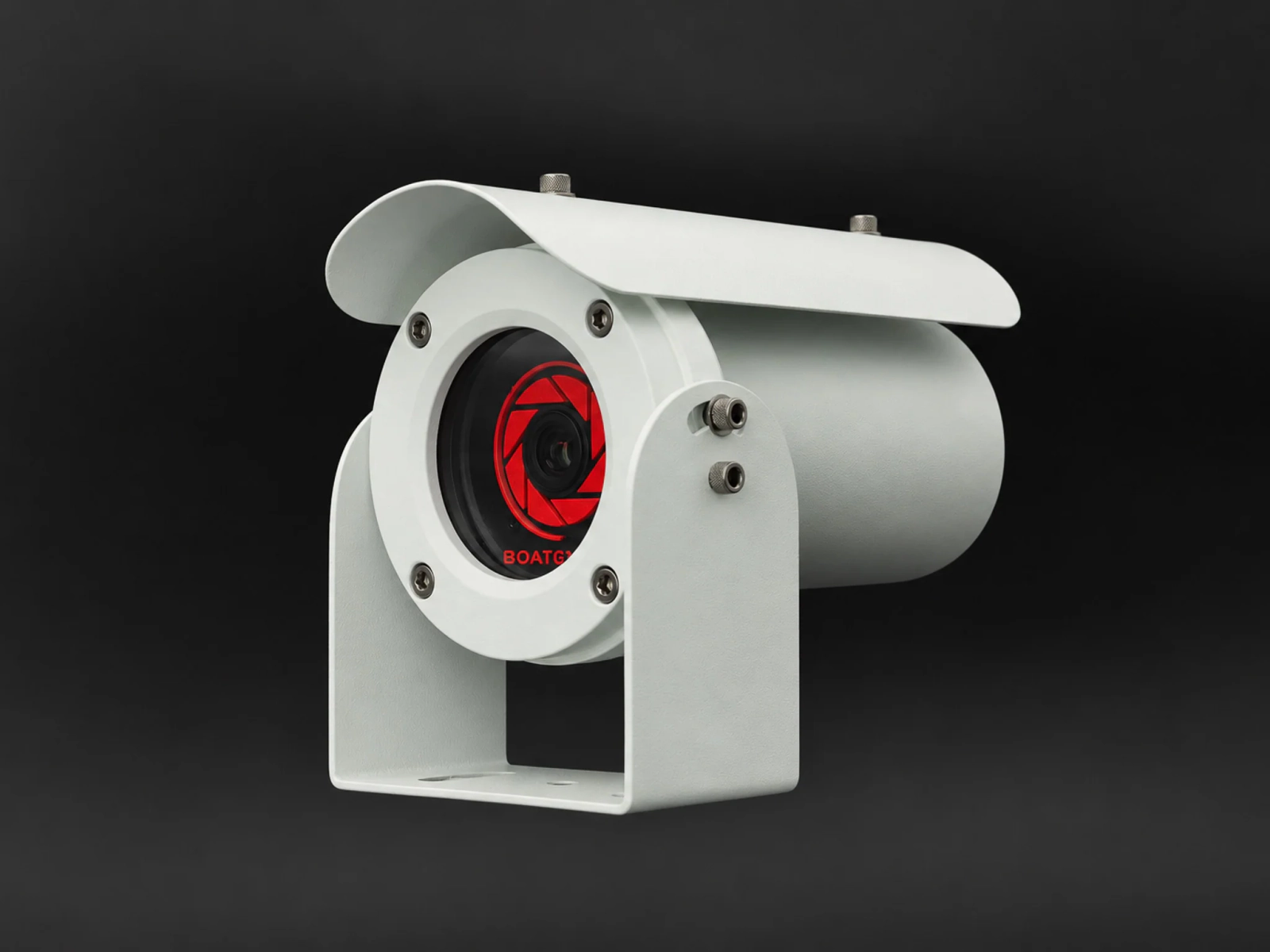
The original BoatEye360 full-colour low-light camera: the same 0.0001 lux sensor as the V2 in a larger 316L stainless housing, with HDMI and analog output, at a lower price.
Explore →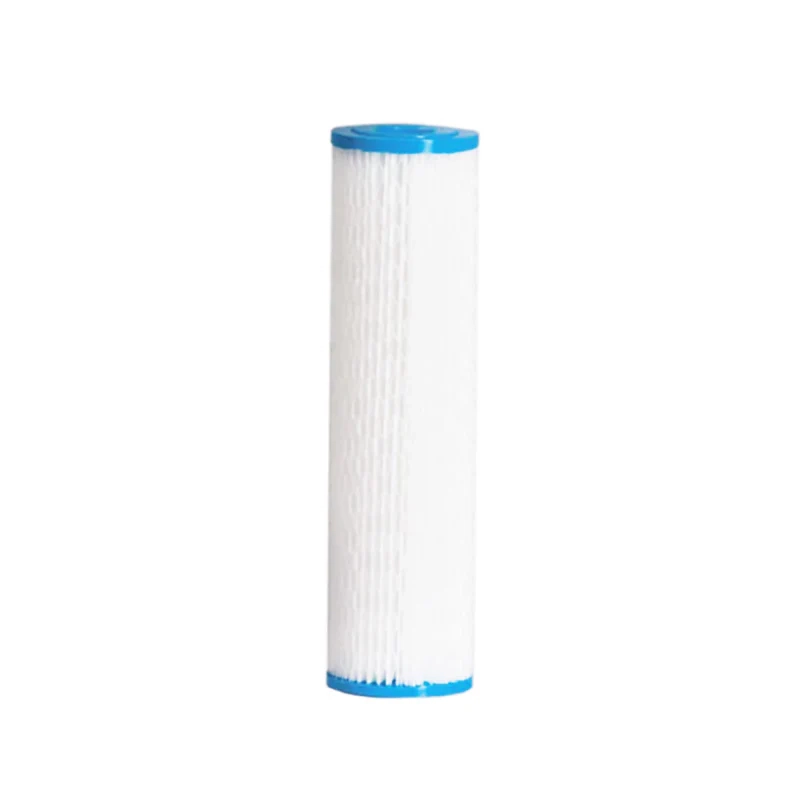
Standard 10 x 2.5 inch pleated poly cartridge rated at 5 micron. It is the second-stage pre-filter that removes fine sediment before the high-pressure pump, and it can be rinsed and reused.
Explore →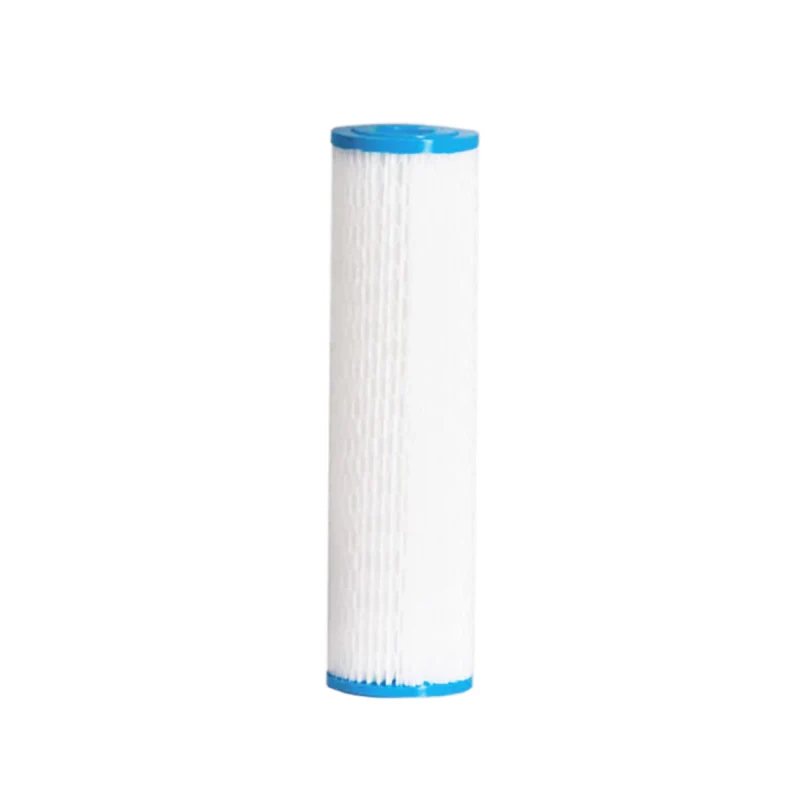
Standard 10 x 2.5 inch pleated poly cartridge rated at 20 micron. It is the first-stage pre-filter that removes larger sediment before the high-pressure pump, and it can be rinsed and reused.
Explore →
Push-to-talk radio that uses 4G mobile networks where there is coverage and a built-in 16-channel analog radio where there is none, with GPS and SOS. Sold as a two-pack.
Explore →