Loading this page…

Loading this page…
Sailing club
Shepparton Sailability is a not-for-profit, self-funded community service helping people of all ages and abilities learn to sail on Victoria Park Lake in Shepparton. It sails a fleet of six Access yachts, designed for easy, dry boarding and wheelchair access, supported by volunteers and a safety boat.
About
Shepparton Sailability is a not-for-profit, self-funded community service helping people of all ages and abilities learn to sail on Victoria Park Lake in Shepparton. It sails a fleet of six Access yachts, designed for easy, dry boarding and wheelchair access, supported by volunteers and a safety boat.
Service area: Shepparton, VIC
Keep exploring
Shepparton Sailability is based on Tom Collins Drive at the southern end of Victoria Park Lake, Shepparton, alongside the city's canoe, rowing and triathlon clubs. It's a local not-for-profit, self-funded community service that aims to develop sailing skills in people of all ages and abilities in a safe and secure environment.
The program uses Access yachts, which sit low to the water with a large working area, so sailors can board and get off without getting their feet wet, and wheelchair users can transfer safely using a lift crane. Sailing runs in terms (Term 1 in 2026 ran from 3 February to 26 March). Bookings are made through sailabilitybookings@gmail.com, and general enquiries can go to shepsailing@gmail.com or Roy Hill on 0438 570 549.
It's truly for everyone. The program welcomes people with disabilities, people from different cultural backgrounds, retirees and even toddlers. Each participant heads out with a volunteer, usually for two 30-minute sails on a session day. Volunteers don't need sailing experience, and demand often exceeds the number of volunteers, so new helpers are always welcome.
See our Shepparton sailing clubs page for more.
Shepparton Sailability offers an inexpensive, safe way to learn to sail. Its fleet of six two-seat Access yachts is designed for learning: they're stable, sit low to the water and have a large working area, so sailors can concentrate on steering and trimming rather than balancing the boat. An instructor sits alongside each sailor. A motor boat supports every session, with volunteers keeping an eye on the fleet and providing towing, coordination and rescue if needed.
Sailing runs in terms through the warmer months, traditionally on Tuesdays and Thursdays, and bookings are essential. Each participant usually gets two 30-minute sails.
Volunteers are the backbone of the program, and volunteering is a great way to give back to the community while learning sailing skills yourself. No sailing experience is needed to volunteer, and all genders and abilities are welcome.
The program sails from Tom Collins Drive at the southern end of Victoria Park Lake, in the heart of Shepparton in Victoria's Goulburn Valley. The lake is calm and sheltered, which makes it ideal for new sailors, and the surrounding parkland is popular for walking, cycling and picnics. Shepparton Sailability shares the southern end of the lake with the Shepparton Canoe Club, Shepparton Rowing Club and Shepparton Tri Club.
The lake has a long recreational history. The area was once a swamp and grazing paddock, reserved as a public park in 1900 and named Victoria Park in 1901. In 1929 the council created the artificial lake for rowing, motor boats, canoes and swimming. Today the park covers 43 hectares, and the lake remains a flat, safe stretch of water for sailing in the middle of town.
Shepparton Sailability was founded around 2011 by Roy Hill, who still leads the program as president. It's grown into a well-equipped community program with a fleet of six Access yachts and a support boat, funded through its own efforts and community support. It's affiliated with Australian Sailing and is part of the national Sailability movement.
Community partners have been vital. The Shepparton Lions Club funded the program's pontoon, and when the rescue boat needed a new outboard motor, costing more than $3,000, the Shepparton Lions Club and the Australian Lions Foundation shared the cost. Volunteers like Derek Edge, involved since the program began, have kept it running season after season, and it has become a much-loved part of Shepparton's community life.
Bermagui is a compact south‑coast fishing port and coastal village on New South Wales’ Sapphire Coast. It’s best known to sailors for its working harbour, access to productive offshore grounds and a reachable string of sheltered bays and beaches. The sailing here mixes short coastal passages, inshore cruising and sheltered daysails rather than long ocean passages; it suits trailer‑able keelboats, motor cruisers and small offshore yachts. Expect a destination where commercial fishing activity and changing swell patterns shape anchorages and arrival choices — preparation and local knowledge pay.

Late spring to summer is usually the best time for beginners to start learning to sail in Tasmania because the weather is generally warmer, days are longer and conditions are often more settled. Expect lighter to moderate winds with regular afternoon sea breees in summer, while spring and autumn bring more changeable and sometimes stronger conditions; winter is colder, wetter and typically windier with more fronts and swell.
Explore →
Expect very different seasonal systems across Western Australia: the south‑west (Perth to Albany) has a strong summer afternoon sea breeze (the “Fremantle Doctor”) and winter westerly fronts, while northern WA follows a wet/dry monsoonal cycle with strong seasonal onshore winds, thunderstorms and cyclone risk in the wet season. Local headlands, estuaries and tidal flows often change what you actually feel on the water, so learn the local timing and sheltered venues first.
Explore →
Tasmania has a mix of state marine parks, local harbour bylaws and environmental protections that affect where and how you anchor—so check the specific area’s rules before you go, aim to use designated anchorages or soft seabeds, and follow standard anchoring and biosecurity good practice.
Explore →
Learn boat-handling basics (steering, points of sail and sail trim), safety and seamanship (personal flotation, wind awareness, man-overboard procedure), and simple anchoring/mooring — these give you the core skills to sail safely and enjoyably.
Explore →
A concise, practical guide to the points of sail and how to trim sails effectively for common Australian conditions. Learn the basics of wind angles, sail shape, telltales, reefing considerations and simple steps to improve boat speed and balance.
Explore →A practical, Australian-focused guide explaining how sails generate drive, the points of sail, and how to trim sails for different conditions. Includes simple explanations of aerodynamic concepts, step-by-step trim checks, common mistakes and clear next steps for practice on the water.
Explore →A concise, practical introduction to the essential parts of a recreational sailing boat for beginners in Australia. Covers hull, deck, rigging, sails, steering, below-decks spaces and safety equipment, with simple explanations, common mistakes and a pre-decast checklist to help new sailors communicate and get underway.
Explore →
A calm, practical guide to get you ready for your first day sail in Australia. Covers what to pack, simple boat checks, reading the weather, basic crew communication and when it's better to postpone.
Explore →
Self-contained, battery-powered plug‑and‑play autopilot designed for standard hydraulic steering systems.
Explore →Burke Yachtsman Gear Bag 40L - Shop Now Zip Pay | Tamar Marine Skip to content 59 – 63 Holbrook Street, Invermay Online Shop Open 24/7 Products search Contact us 1300 MARINE $ 0.00 0 Cart Burke Yachtsman Gear Bag 40L $ 79.90 Colour Choose an option Black Blue Black Blue Clear - Burke Yachtsman Gear Bag 40L quantity + Add to cart Enquire about this product SKU BAGB-Y24/BLACK* Category Bags - Sail & Gear A Burke classic and customer favourite, the Yachtsman’s Gear Bag is built tough to handle wet, salty conditions while keeping your gear dry and protected. Made from double coated waterproof…
Explore →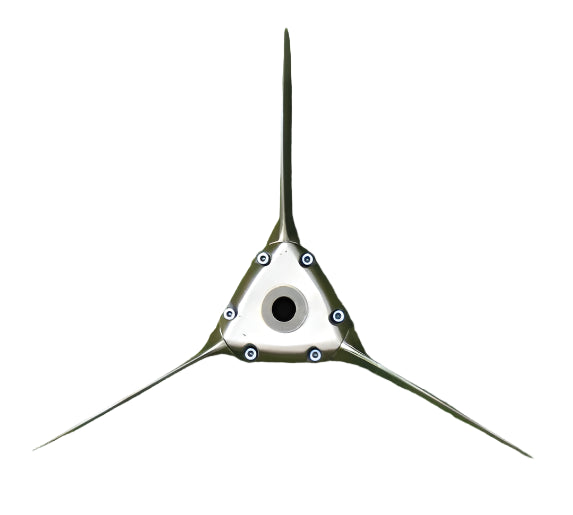
Feathering propeller designed for larger cruising yachts. Diameter range 18"–25"; shaft range 1¼"–1¾"; hub lengths 120mm or 165mm (with anode). Sail drive option available.
Explore →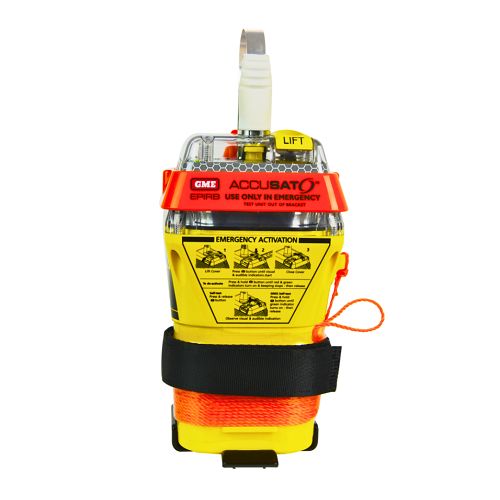
A 10‑year battery EPIRB with integrated GNSS (supports GPS and Galileo), infrared strobe and 121.5 MHz homing signal. Approved for worldwide COSPAS‑SARSAT operation.
Explore →