Loading this page…

Loading this page…
Sailing club
Safety Bay Windsurfing Club was set up in 2024 to get people from Rockingham, Safety Bay and nearby suburbs into windsurfing. It offers beginner lessons and courses with Australian Sailing qualified instructors, provides all the gear you need to start, and sails the calm, breezy waters of Safety Bay, Shoalwater and Penguin Island.
About
Safety Bay Windsurfing Club was set up in 2024 to get people from Rockingham, Safety Bay and nearby suburbs into windsurfing. It offers beginner lessons and courses with Australian Sailing qualified instructors, provides all the gear you need to start, and sails the calm, breezy waters of Safety Bay, Shoalwater and Penguin Island.
Service area: Safety Bay / Rockingham, WA
Keep exploring
Safety Bay Windsurfing Club is based at 248 Safety Bay Road, Safety Bay, south of Perth. Established in 2024, it aims to introduce people from Rockingham, Safety Bay, Waikiki, Port Kennedy, Shoalwater, Warnbro and surrounding suburbs to windsurfing through introductions, courses and lessons.
Instructors are Australian Sailing qualified, the club provides beginner equipment so members can learn and progress, and membership includes insurance. The club is affiliated with Australian Sailing.
It's a young club with an old home. It sails from the site used by the Safety Bay Yacht Club since 1947, so a new generation is now learning to sail from the same beach where locals have launched boats for almost 80 years. Safety Bay's shallow water and reliable afternoon sea breeze make it one of the best spots around Perth to learn, and the club's gear library means you can try windsurfing without buying anything first.
Find the club on Facebook and Instagram, or see our Safety Bay sailing clubs page and Rockingham page.
Learning is what this club is built for. Safety Bay Windsurfing Club runs introductions, courses and lessons for beginners, taught by Australian Sailing qualified instructors in calm, breezy conditions. You don't need your own board or sail to start: the club has all the beginner equipment members need to learn and progress, and membership includes insurance.
Once you're up and sailing, members sail together around Safety Bay and Shoalwater, and more experienced windsurfers can join events on the Windsurfing Western Australia calendar, which has included a Safety Bay slalom series.
Windsurfing rewards a gradual approach. Beginners start on wide, stable boards with small sails in light morning winds. From there they learn to steer and tack, then move to smaller boards and bigger sails as the sea breeze fills in. Using club gear lets you work out which board and sail sizes suit you before spending money on your own kit.
The club is at 248 Safety Bay Road on the shores of Safety Bay, near Rockingham, about 45 minutes south of Perth. The bay's shallow water and consistent sea breezes make it one of the best places around Perth to learn windsurfing, and members can cruise across to the Shoalwater Islands or out toward Penguin Island.
For keelboat sailing nearby, The Cruising Yacht Club of WA is based in Rockingham.
The afternoon sea breeze is the key ingredient. On summer days it typically fills in from the south-west, giving flat-water blasting inside the bay. Mornings are often light, which is perfect for lessons. Our guide to WA weather and the Fremantle Doctor explains how the breeze behaves along this coast.
Safety Bay Windsurfing Club was established in 2024 to bring more people into windsurfing across Rockingham and the surrounding suburbs. It sails from 248 Safety Bay Road, the former home of the Safety Bay Yacht Club, which held its farewell "Final Voyage" celebration in May 2025 after 78 years.
That yacht club had deep roots. It operated from the site from 1947, making it the oldest yacht club in the Rockingham area. Its first clubrooms were a Nissen hut near the water's edge that regularly flooded; community fundraising built the current clubrooms in the early 1960s on a peppercorn lease from the former Shire of Rockingham. The windsurfing club keeps that long tradition of sailing from this stretch of beach going.
Three introductory paragraphs (around 180 words) describing what makes the Derwent River distinctive from the water, the sailing experience it offers, suitability for different kinds of sailing and preparation, and relationship of sheltered and exposed waters and connections to nearby cruising grounds.

Use a sensible scope (line length), pick good ground, set the anchor with a controlled reverse to load it, and check you’re not dragging by noting fixed references and using a stern line or anchor alarm if needed.
Explore →
Choose an anchor type and size matched to your boat, seabed and expected conditions; set it by lowering steadily, backing down under power to bury the fluke or hook, and scope the rode to suit tidal range and wind/sea state. Regularly inspect your set and use trip lines or secondary anchors where risk of wind or current change is high.
Explore →
Legal safety equipment for recreational boats in South Australia depends on the type, size and where you operate; you must check the current SA government requirements for your vessel. Independently of legal minimums, carry a sensible set of recommended items (lifejackets, means of communication, signaling, fire protection, anchor and basic tools) and make them usable and maintained.
Explore →
In gusty, changeable Tasmanian winds, approach docks or a alongside berth slowly on a controlled angle, keep propulsion and steerage ready to counter gusts, use crew to control fenders and lines, and choose a lee side or sheltered spot where possible. Prioritise maintaining steerage and being able to power off quickly rather than trying to hold a precise position with engines idle.
Explore →
A practical checklist and explanation of the safety equipment recreational sailors should carry in Australian waters, with how to choose gear, use it correctly, and common mistakes to avoid.
Explore →
A practical, Australia‑focused introduction to sailing: key terms, common boat types, basic manoeuvres, where to learn, licence and club options, and planning your first trips with safety and local conditions in mind.
Explore →A practical guide for recreational sailors planning passages to and around Rottnest Island. Covers anchoring and mooring options, local weather and sea conditions, tide and current considerations, passage planning tips and clear safety checklists tailored to Australian sailing conditions.
Explore →
A practical guide to Queensland’s top sailing areas, what to expect from each region, seasonal and safety considerations, suggested itineraries and useful planning checklists for recreational sailors.
Explore →Burke Yachtsman Gear Bag 40L - Shop Now Zip Pay | Tamar Marine Skip to content 59 – 63 Holbrook Street, Invermay Online Shop Open 24/7 Products search Contact us 1300 MARINE $ 0.00 0 Cart Burke Yachtsman Gear Bag 40L $ 79.90 Colour Choose an option Black Blue Black Blue Clear - Burke Yachtsman Gear Bag 40L quantity + Add to cart Enquire about this product SKU BAGB-Y24/BLACK* Category Bags - Sail & Gear A Burke classic and customer favourite, the Yachtsman’s Gear Bag is built tough to handle wet, salty conditions while keeping your gear dry and protected. Made from double coated waterproof…
Explore →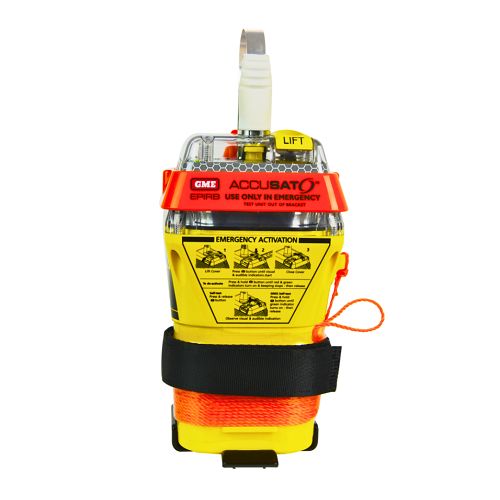
A 10‑year battery EPIRB with integrated GNSS (supports GPS and Galileo), infrared strobe and 121.5 MHz homing signal. Approved for worldwide COSPAS‑SARSAT operation.
Explore →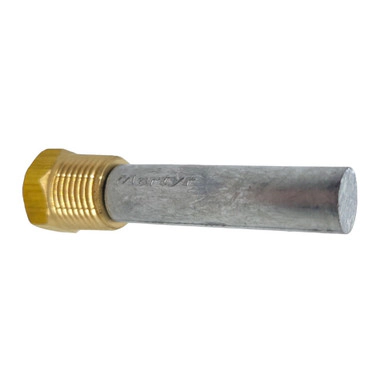
Imported from All Marine Spares. This draft has no editorial summary yet.
Explore →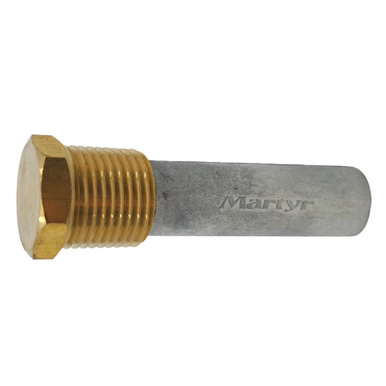
Imported from All Marine Spares. This draft has no editorial summary yet.
Explore →