On most boats one person knows where everything is. If that person goes over the side or is knocked out, the rest need to manage. A briefing takes five minutes and should be done every time someone new comes aboard.
Do it at the dock, walking through the boat
Showing beats telling. Have people touch each item.
1. Lifejackets and harnesses
- Fit one to each person and adjust it now.
- Show the manual pull and the oral tube.
- Say when they are worn: your rule, stated plainly. At night, alone on deck, in rough water, and whenever you say so.
- Show where to clip on and how to move forward clipped.
2. Moving around
- One hand for the boat.
- Mind the boom. Show where it swings.
- Stay off the foredeck unless asked.
3. Man overboard
- Shout, point and keep pointing.
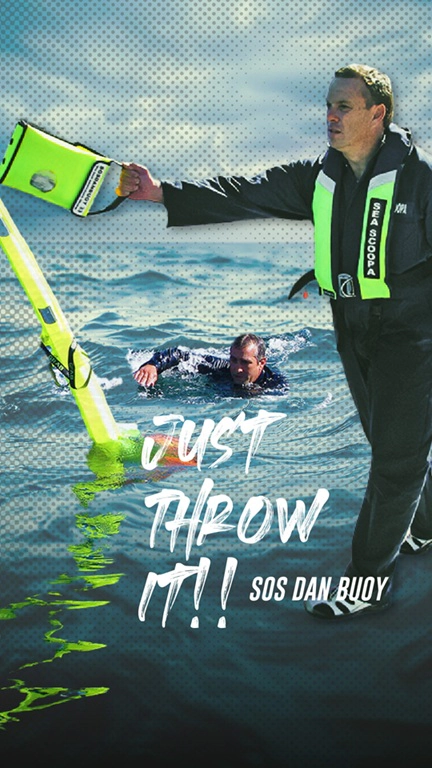
- Show the danbuoy or horseshoe and how to throw it.
- Show the MOB button.
4. Calling for help
- Show the VHF: power on, the red DSC button under its cover, hold for five seconds, then channel 16 and say Mayday, the boat's name and position.
- Show the EPIRB and how to switch it on.
- Point to the card with the boat's name, call sign and MMSI.
5. Fire
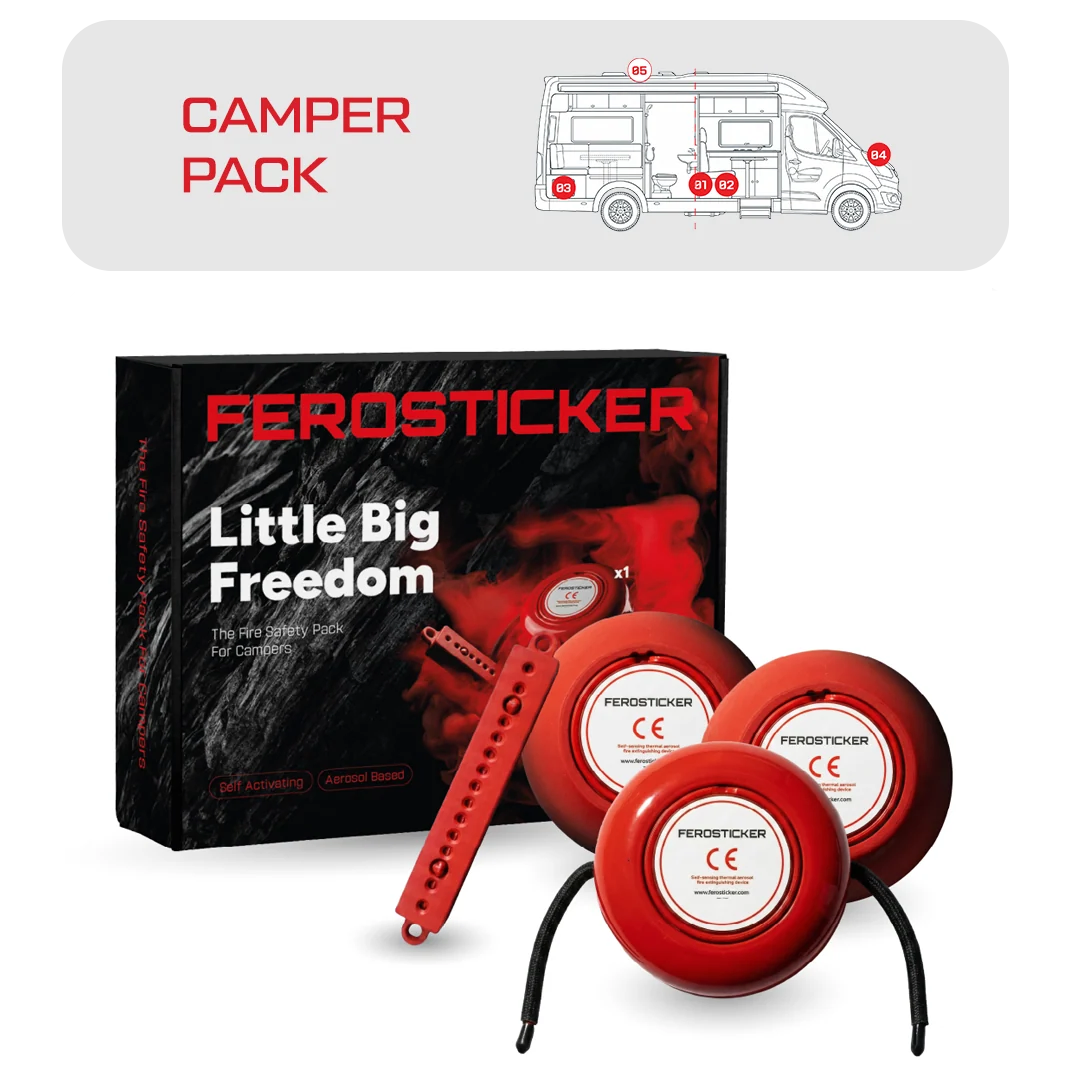
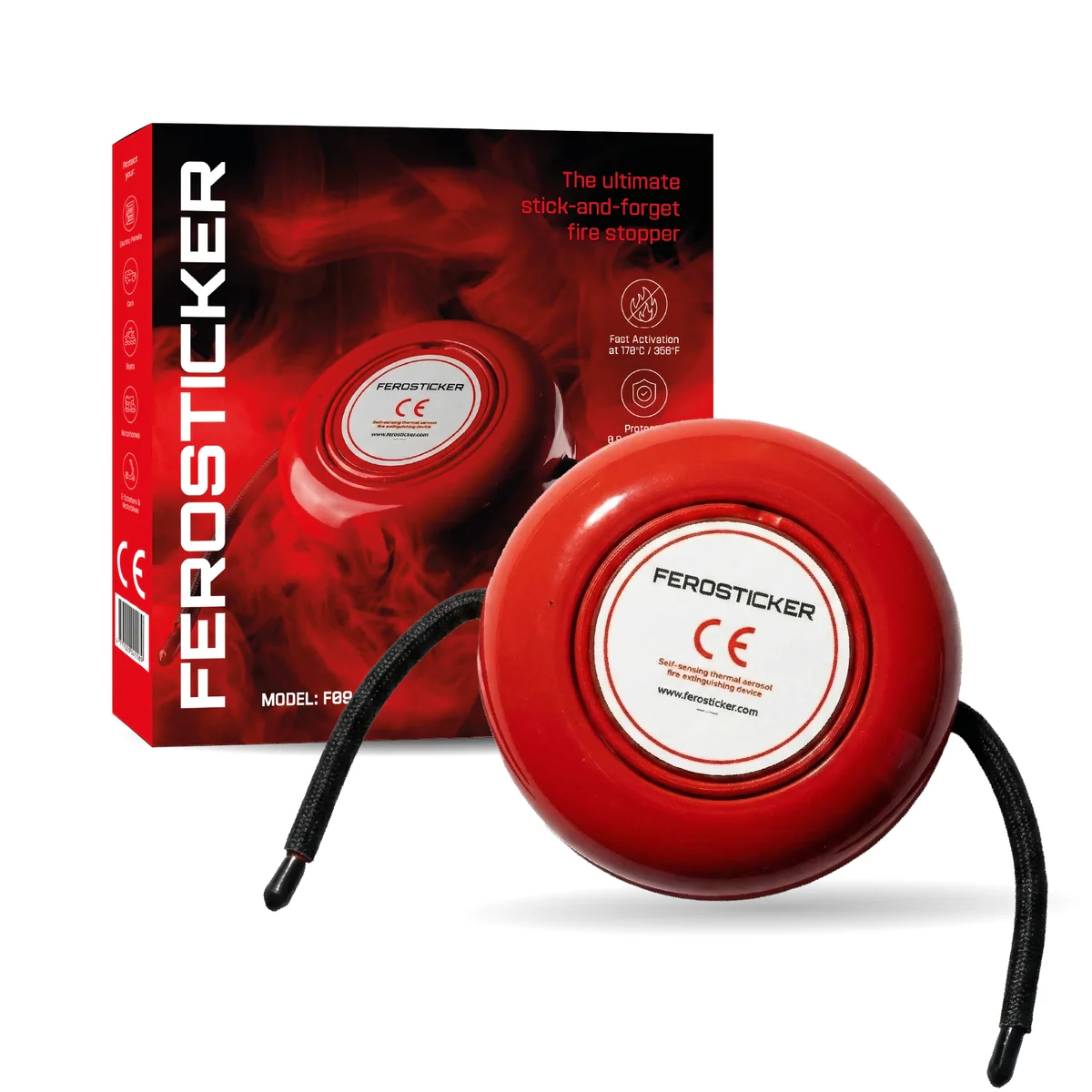
- Where each extinguisher and the fire blanket is.
- Gas: where the shut off is, and that it is turned off after cooking.
- Get out first if in doubt.
6. Flooding
- Where the bilge pump switch and the manual pump handle are.
- Where the seacocks are. A diagram by the chart table helps.
7. Engine
How to start it, how to stop it, and how to put it in gear.
8. The rest
- How the heads work. It prevents the most common breakdown on any boat.
- Seasickness: say so early, stay on deck, look at the horizon.
- Any medical conditions the skipper should know about, told privately.
If the skipper is out of action
Name a second person now. Tell them: stop the boat, call for help, look after the casualty.
Leave a card
Put the key points on one laminated page by the chart table. People forget briefings. They can read a card.
A briefing you can read aloud
Print this, adjust it for your boat, and keep it at the chart table.
- Lifejackets are here. Put yours on now and I will check the fit. We wear them when I say, at night, and whenever you want to.
- If someone goes over: shout man overboard, point and keep pointing, throw this.
- Fire extinguishers are here and here. The fire blanket is by the galley. The gas shuts off here.
- To stop the engine, do this.
- To call for help: this radio, this button, hold for five seconds, then say what is on this card.
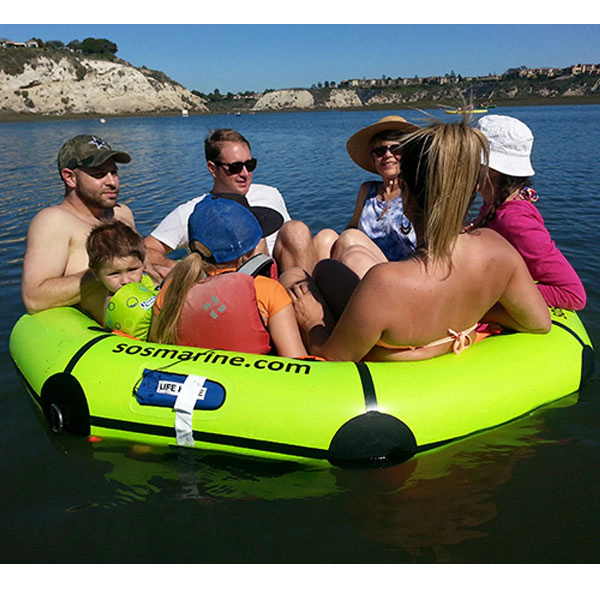
- The grab bag and the EPIRB are here. The liferaft is here and this is how it launches.
- One hand for the boat. Mind the boom. Tell me if you feel sick or cold, early.
- The toilet works like this.
Match it to the crew
Experienced sailors need the locations and anything unusual about your boat. First timers need less information and more showing: let them hold the radio microphone, find the red button and clip on a tether. Children need one or two rules they can repeat back. People remember what they have touched, not what they were told.
Mistakes to avoid
- Doing it under way with the engine running. Do it at the dock, before lines come off.
- Turning it into a list of everything that can go wrong. Five calm minutes is enough.
- Skipping it for friends who have been aboard before. Gear moves and people forget.
- Not naming a second person who can stop the boat and make a distress call if you are the one in the water.
Before a longer passage
Add the watch system, when to wake the skipper, tether rules on deck at night, where the seasickness tablets are, and who is responsible for the grab bag. Ask each person about anything the skipper should know, privately if they prefer.