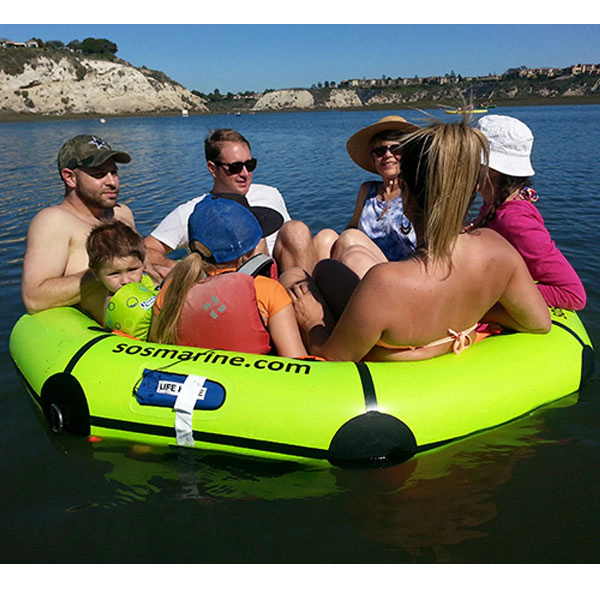
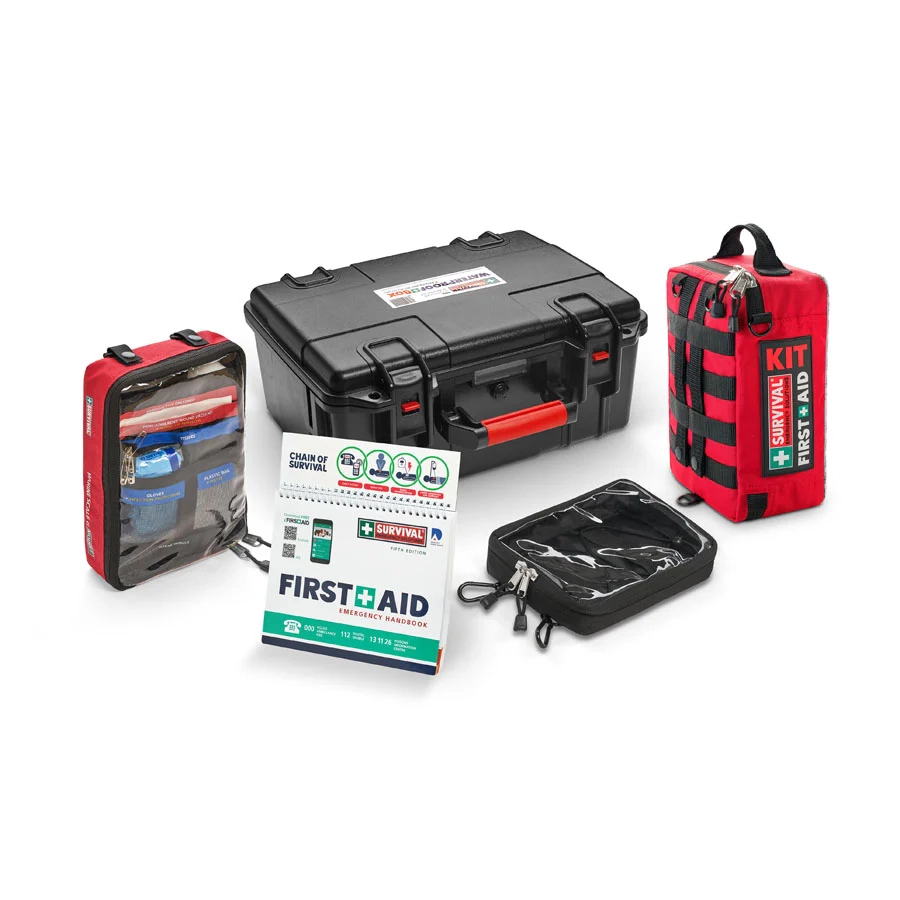
A grab bag is what you take when you step into the liferaft. Most liferafts carry a very basic pack, and nothing personal. Pack for the time it will take rescuers to reach you where you sail: hours near the coast, possibly days offshore.
The bag itself
Waterproof, buoyant, bright, with a lanyard to tie it to a person or the raft. One bag you can lift with one hand beats two you cannot.
Pack in this order of importance
Being found
- A PLB or second EPIRB.
- Handheld VHF, waterproof, with a spare battery or a charged power bank.
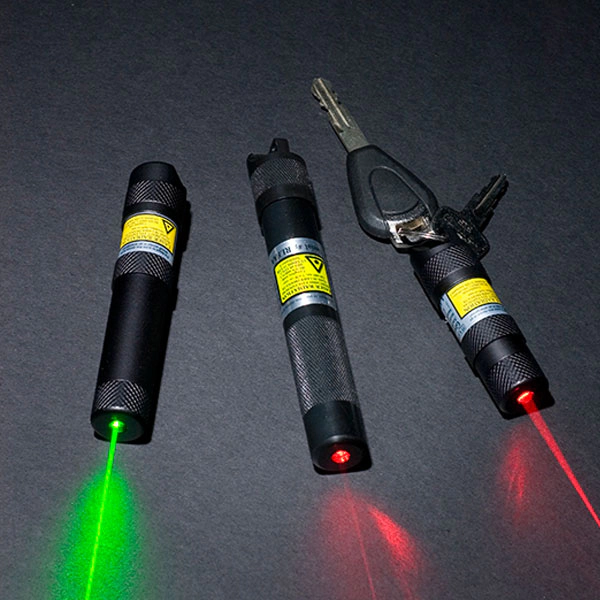
- Flares or an electronic distress light, and a signalling mirror.
- A strong torch and a strobe.
- Handheld GPS or a phone in a waterproof case.
Staying alive
- Water. At least half a litre per person per day beyond what the raft carries, more in the tropics.
- Thermal protective aids or foil blankets, one each.
- Seasickness tablets. Almost everyone is sick in a raft, and it dehydrates you fast.
- First aid kit, and the crew's essential medication for several days.
- Sun cream, hats, spare glasses.
Making it bearable
- High energy food that needs no water.
- A knife with a blunt tip, a bailer, sponges.
- Repair clamps or plugs for the raft if yours has none.
- Notebook and pencil.
Getting home afterwards
- Copies of passports and boat papers in a sealed bag.
- A bank card and some cash.
What to grab on the way out
Keep a short list taped to the bag: EPIRB, handheld VHF from its charger, phones, extra water containers, warm jackets. Fill water jugs only three quarters full so they float.
Where to keep it
By the companionway, not in a locker under other gear. Everyone aboard should know where it is and that it goes with them.
Keep it current
Check it at the start of each season with the service date tool in this section: batteries, flare dates, medication, water. Repack after any trip where you borrowed from it.
Pack by priority
| Priority | What goes in |
|---|---|
| Be found | EPIRB or PLB, handheld VHF with spare battery, flares or electronic distress light, signal mirror, whistle, torch |
| Stay alive | Water, thermal blankets, seasickness tablets, first aid kit, personal medication |
| Stay sane and useful | Knife, spare glasses, sunscreen, hat, sponge, a little food |
| Paperwork | Passports, boat papers, cards, some cash, phone in a waterproof case |
If the bag is too heavy to throw into a raft with one hand, split it into two and number them.
Coastal or offshore
A coastal bag assumes rescue within hours: signalling, warmth, water, medication. An offshore bag assumes days: more water or a hand watermaker, fishing kit, more first aid, a satellite messenger, spare batteries. Do not carry the offshore bag on a day sail and call it done. Pack for the trip you are on.
Mistakes to avoid
- Stowing it under a bunk. It lives by the companionway, where the last person out can grab it.
- A bag that sinks. Use a floating bag or add buoyancy, and tie on a lanyard.
- Counting on things you will fetch at the time. In a fire or a fast sinking you get what is in the bag and nothing more.
- Never showing the crew. Everyone aboard should know where it is and that it goes with them.
What the liferaft already has
Read the equipment list for your raft pack. A coastal pack may hold little more than a bailer, paddles and a repair kit. An offshore pack adds water, flares and first aid. Pack the grab bag to fill the gaps in your raft, not to double up.