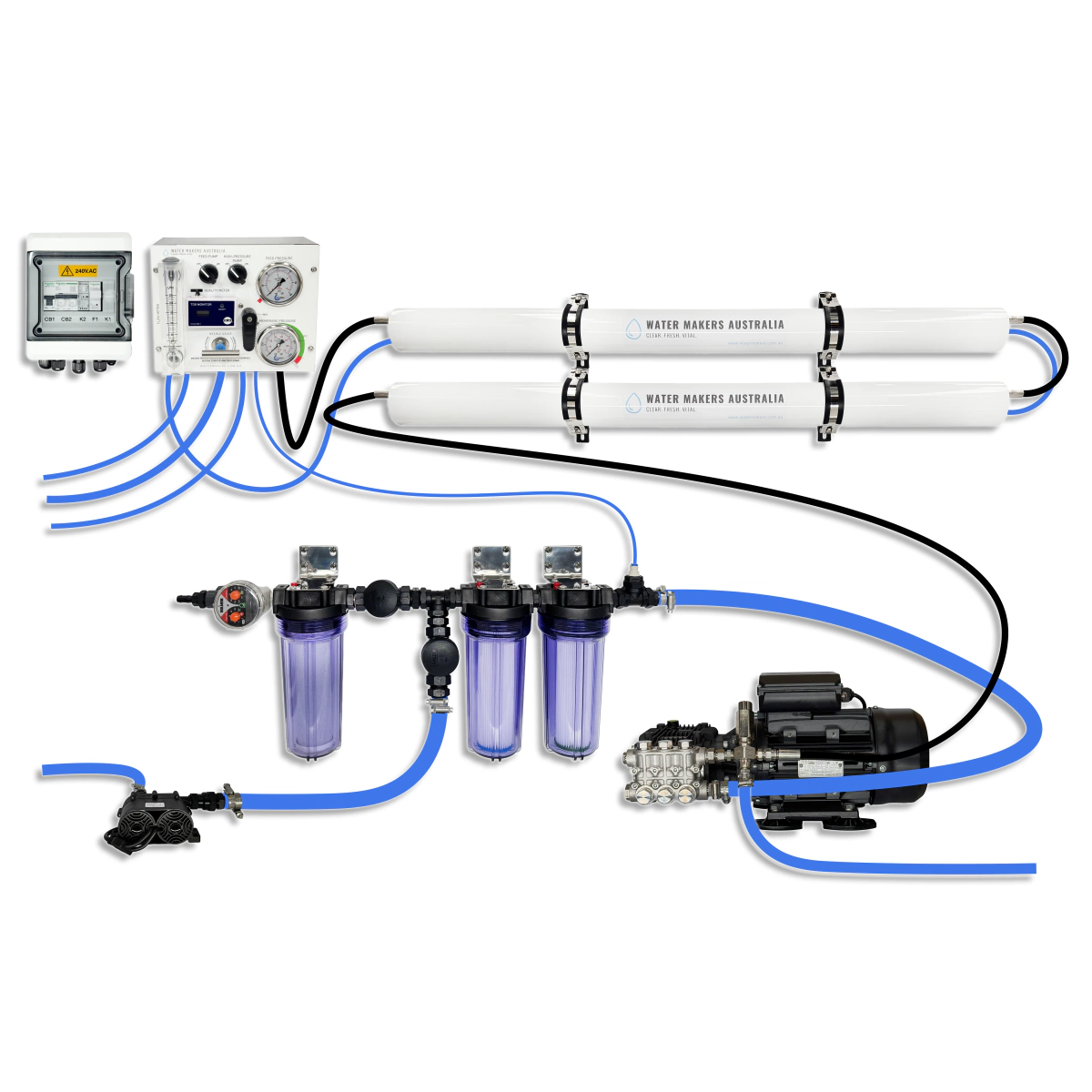
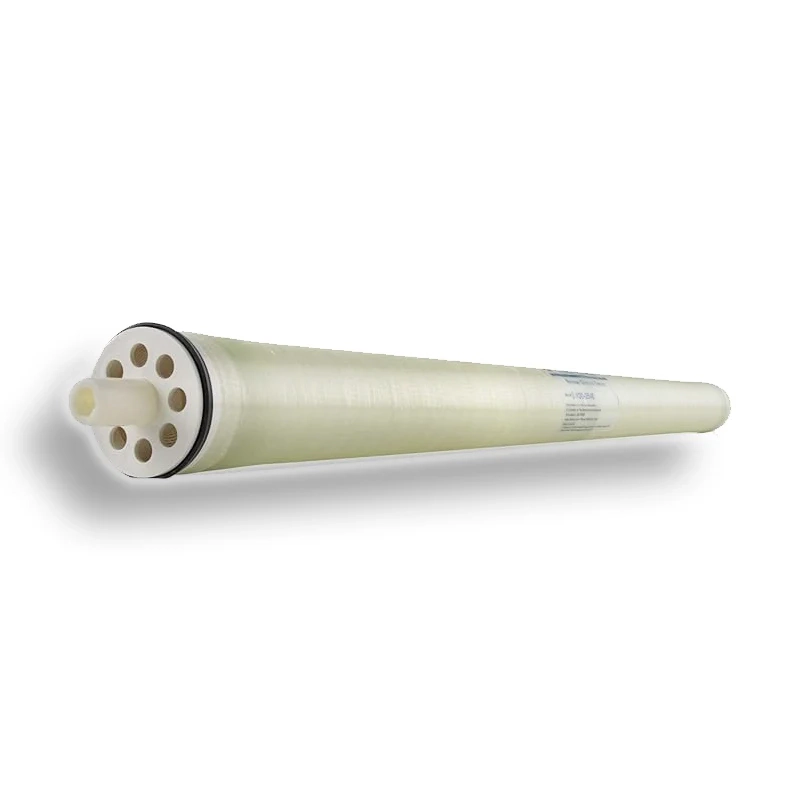
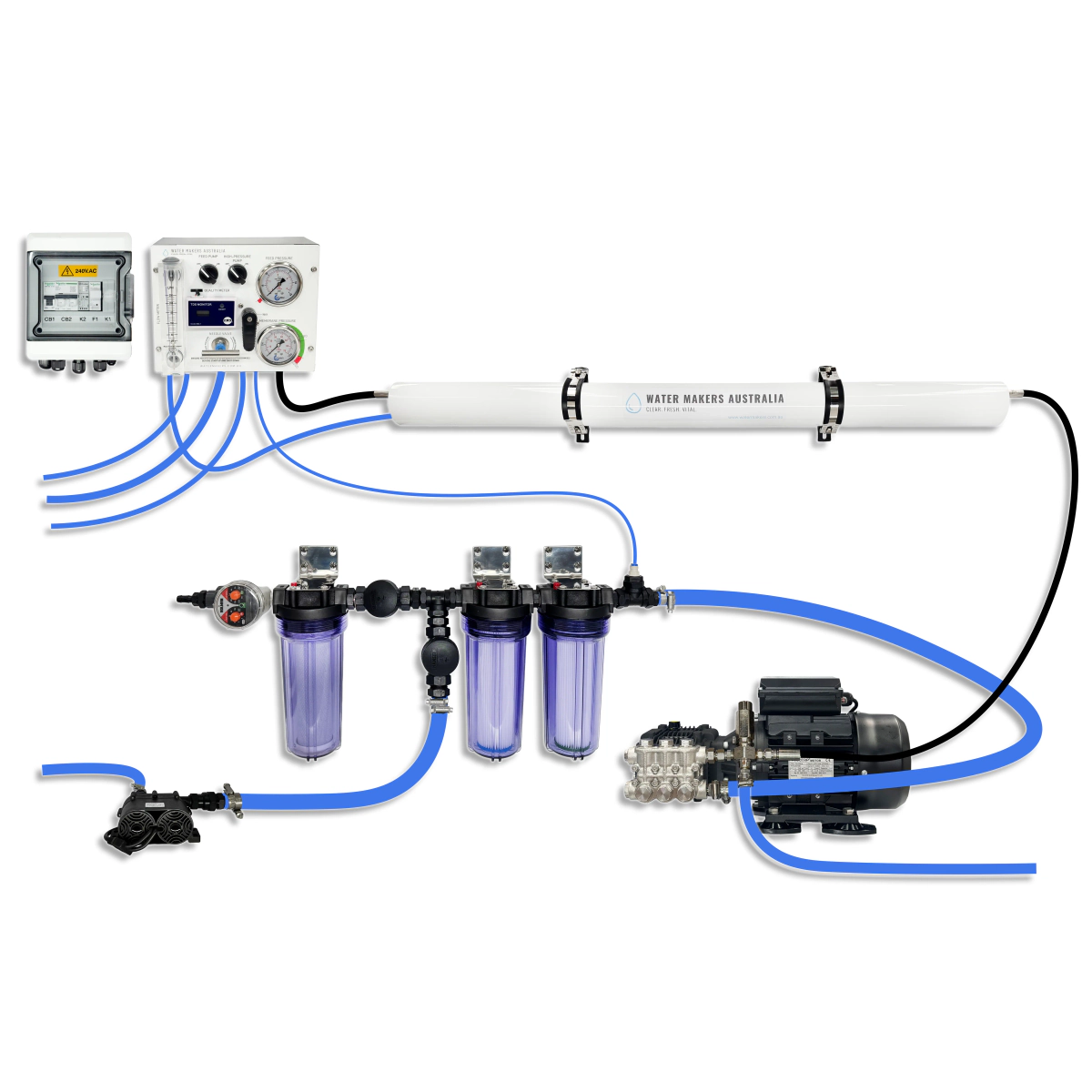
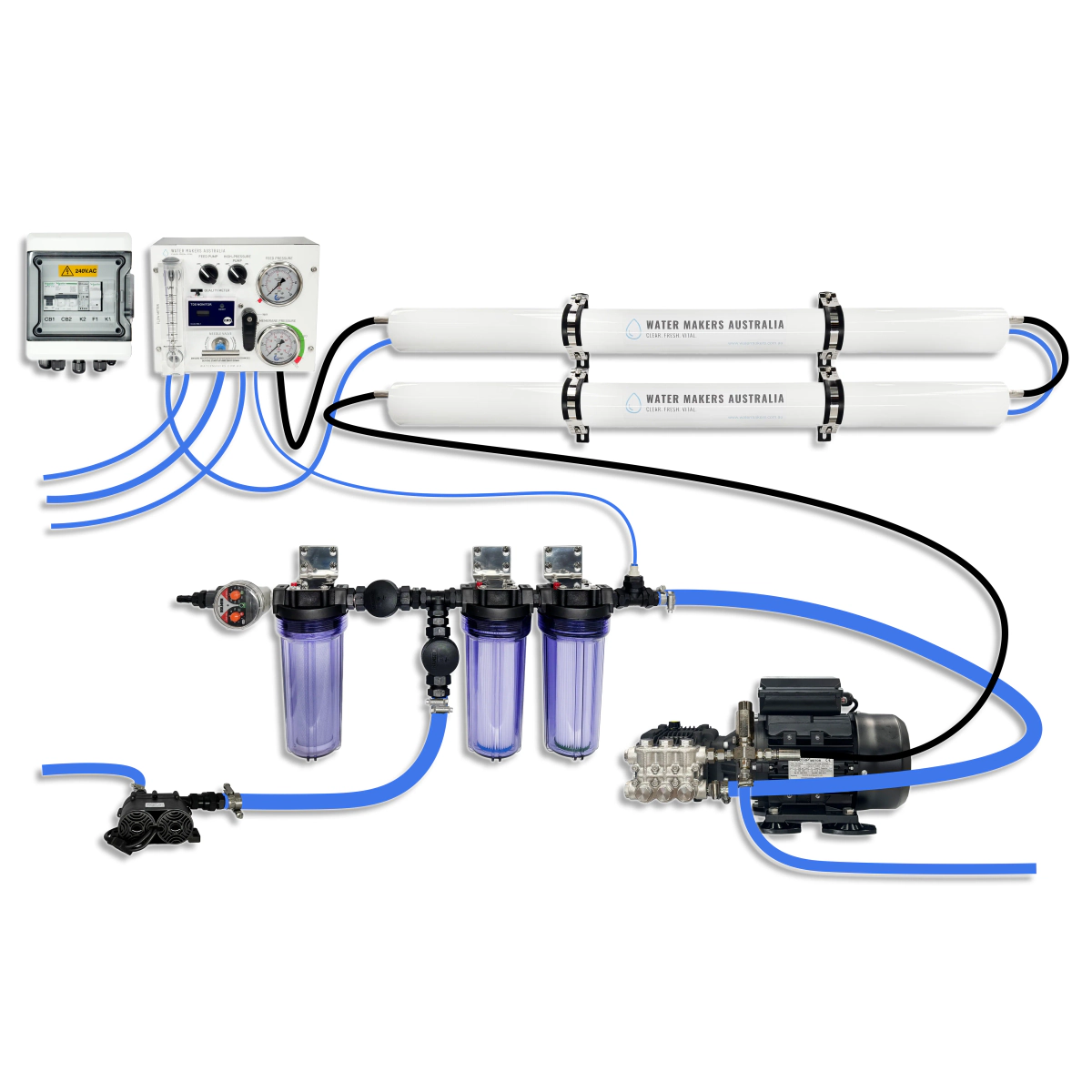
Running a watermaker well is a routine. Do it the same way each time and the unit lasts.
Before you start
- Clean water outside the boat: no oil sheen, silt, or harbour muck.
- Seacock open, strainer clear.
- Pre filters not brown. Change or rinse them if they are.
- Battery state good, or the engine running.
Start up
- Start the feed pump with the pressure valve fully open. Let it run a minute to clear air.
- Start the high pressure pump.
- Close the pressure valve slowly until the gauge reads the maker's working pressure. Never go over it.
- Send the first few minutes of product water to the test tap and over the side.
- Taste it, or test it with a meter. Then turn the valve to the tank.
While it runs
- Watch pressure and flow for the first five minutes. They should settle and stay steady.
- Listen. A change in pump note means air or a blocking filter.
- Stay aboard. Do not go ashore with it running unless it is a fully automatic unit.
Shut down
- Open the pressure valve fully before stopping the pumps.
- Stop the high pressure pump, then the feed pump.
- Flush with fresh water for the time the maker gives, usually a few minutes.
What to log
Date, hours run, pressure, product flow, and the meter reading. A unit that is failing shows it in these numbers weeks before it stops.
When not to run it
- In a marina or commercial harbour.
- In a river mouth after rain.
- Near a fuel dock or behind a boat that is pumping bilges.
- In a red tide or thick plankton bloom, which blocks filters in minutes.
How often
Every day or two is ideal. If it will sit more than about five days in warm water, flush it. More than three or four weeks, pickle it.
Where to run it and where not to
Run it in clean, open water: at sea, or in a clear anchorage with good tidal flow. Do not run it in marinas, harbours, river mouths after rain, near other boats at anchor, or anywhere you can see an oil sheen or algae. Oil and chlorine damage the membrane for good, and silt blocks prefilters in minutes.
Numbers to write in the log
| Reading | Why it matters |
|---|---|
| Operating pressure | A rise over weeks at the same output means fouling |
| Product flow, litres per hour | A fall means fouling or cold water |
| Product salinity | A rise means membrane wear or a seal leak |
| Water temperature | Explains normal changes in output |
| Hours run | For filter, oil and membrane service |
A few lines each run is enough. The trend tells you far more than any one reading.
Is the water good to drink
Most units discard the first few minutes of product water. Test with a handheld salinity meter before sending water to the tank. Under about 500 parts per million of dissolved solids is the usual drinking guideline and a healthy membrane makes water well below that. If the reading is high, let it run a few more minutes. If it stays high, do not fill the tank.
Calculator
Watermaker output
The litres per hour to look for, from your daily use and how long you will run it.
- 30 L/h
- 40 L
Mistakes to avoid
- Winding the pressure up to get more output. Stay at the maker figure.
- Skipping the fresh water flush because you will run it again tomorrow, and then not running it for a week.
- Letting prefilters go brown and smelly. Change or clean them on schedule and whenever pressure before the pump drops.
- Filling the only tank with untested water. Keep one tank or some jerry cans separate.